
Key Highlights
- Flesh-eating New World screwworm detected 25 miles from U.S. border.
- 32 active cases reported in Mexico’s Coahuila state.
- No current presence of the pest in the United States, but risk remains low.
- First human case confirmed last year in Maryland after travel to El Salvador.
The Screwworm Threat: A Step Closer to U.S. Soil
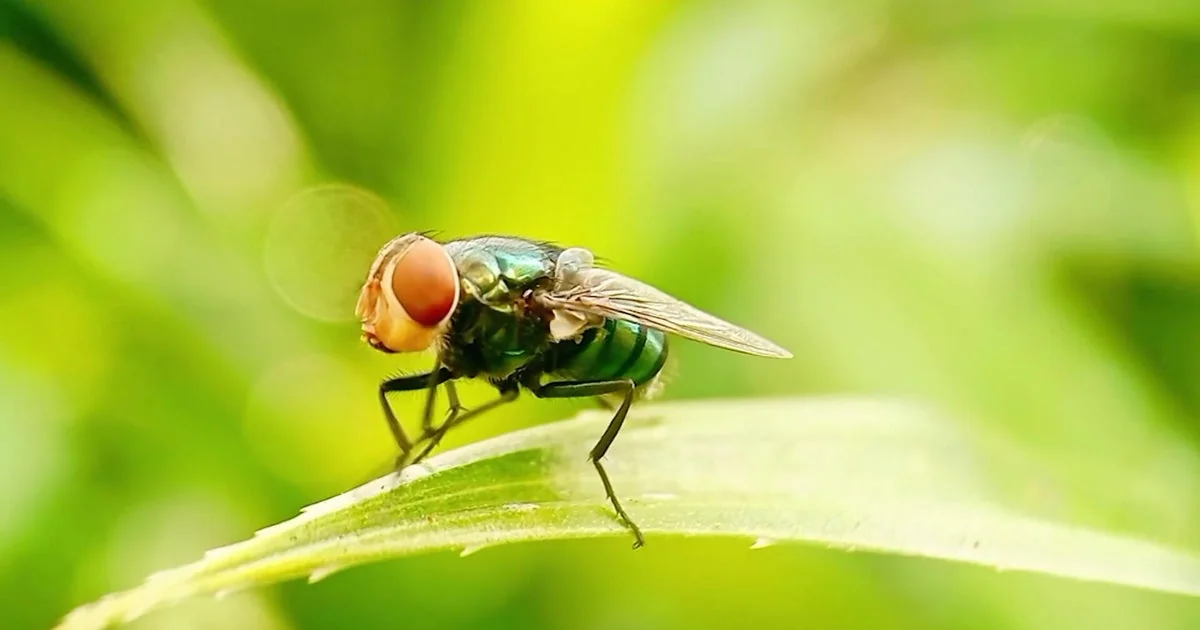
Flesh-eating New World screwworms have been detected just 25 miles from the United States border, raising concerns about the potential spread of this parasitic fly across national lines.
According to the USDA, the most recent discovery occurred in a 5-year-old goat in Mexico’s Coahuila state. The department has recorded 32 cases overall in the region, including 19 active ones, highlighting the ongoing threat posed by these parasites.
A Growing Concern: Screwworms’ Northern Advancement
The New World screwworm is typically found in South America and parts of the Caribbean. However, over the past three years, reports indicate a significant northward movement into Central America and Mexico. This trend has prompted increased vigilance from U.S. officials who are closely monitoring the situation.
Previous Incidents and Warnings
Earlier this year, Texas Agriculture Commissioner Sid Miller reported that the screwworm had been found 60 miles from the border in April. This incident came after the state’s Parks and Wildlife Department issued a warning to outdoor enthusiasts since late 2024 about the presence of the parasite.
The Human Risk: A Cautionary Tale
In 2025, the first human case of New World screwworm infestation was confirmed in Maryland after a traveler returned from El Salvador. The individual recovered fully without evidence of transmission to others, according to health officials.
You might think this is new, but… the USDA notes that the current risk to livestock and other animals in the U.S. remains very low. Yet, as the parasites push closer to our borders, it’s worth considering what could happen if they gain a foothold here.