
Key Highlights
- Daylight Saving Time (DST) begins on March 8, 2026.
- The House and Senate have not passed the Sunshine Protection Act to make DST permanent.
- Texas lawmakers debated ending DST but are unable to implement it without federal approval.
When is Daylight Saving Time 2026?
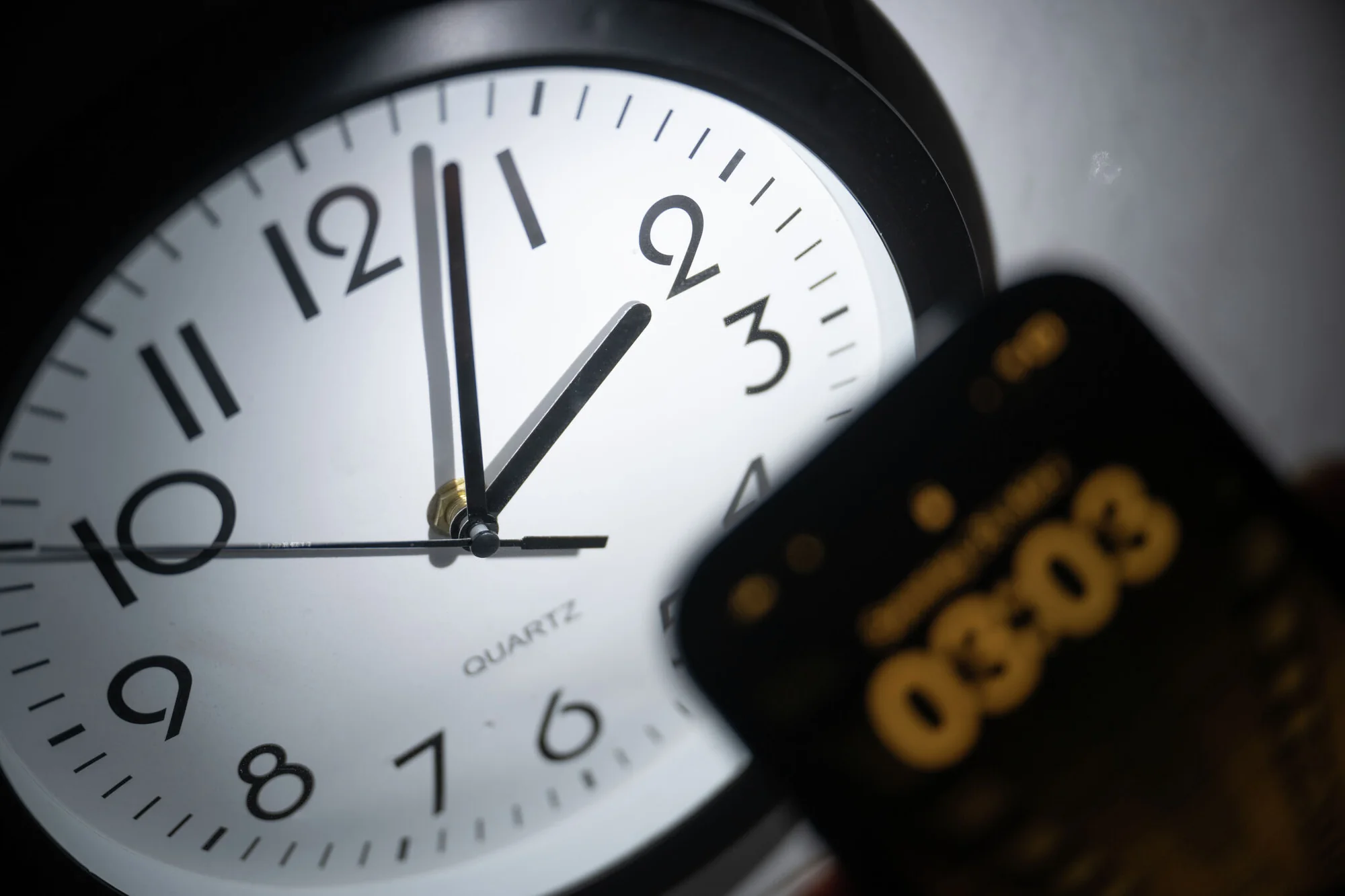
Daylight saving time (DST) starts on March 8, 2026. At 2 a.m., clocks will spring forward by one hour to 3 a.m. This annual adjustment means Texans and others across the country will lose an hour of sleep but gain more evening sunlight.
Why DST Continues Despite Debate
You might think this is new, but… it’s not. Efforts to end the twice-yearly clock change have been ongoing for years. In 2022, the U.S.
Senate passed the Sunshine Protection Act, which aimed to make DST permanent. But the House didn’t take it up, and President Donald Trump, who supported eliminating DST, saw his plan stall in Congress.
At least, that’s the plan. In December 2024, then-President-elect Trump said he wanted year-round standard time. But in April 2025, he reiterated: “The House and Senate should push hard for more Daylight at the end of a day.”
Texas Lawmakers Struggle with Clock Changes
In Texas, lawmakers have proposed ending DST. House Bill 1393, known as “Texas Time,” would keep the state on daylight saving time year-round. However, this bill can’t take effect unless Congress changes federal law.
Why is this so complicated?
Because until then, Texans will still change their clocks in March and November. Supporters argue that a consistent time throughout the year would reduce confusion and improve safety and productivity. Opponents cite health and safety concerns and prefer standard time year-round.
The Debate on Daylight Saving Time
So why do we even have DST? The idea dates back to World War I, when Germany first implemented it to save energy by using natural daylight more efficiently. Some argue it’s outdated, but others believe it maximizes the use of natural sunlight during summer months.
For those in the northern hemisphere like the U.S., these longer days run from March to November, with June to August seeing the longest days.
For those in the southern hemisphere, such as Australia, seasons are reversed: June through August mark winter months and have shorter days compared to their summer counterparts.
Texas will continue to adjust its clocks for now, but the debate over DST shows no sign of ending anytime soon. Until Congress passes legislation and a president signs it into law, the clock changes will continue nationwide.