
Key Highlights
- The United States is preparing another aircraft carrier for deployment in the Middle East amid ongoing tensions with Iran.
- US President Donald Trump indicated that additional military assets will be sent despite recent nuclear diplomacy efforts with Iran.
- A US aircraft carrier strike group, including the USS Gerald R Ford and USS Abraham Lincoln, is set to join forces in the region.
- The move comes after Israeli Prime Minister Benjamin Netanyahu met with Trump at the White House, pushing for a hawkish approach against Iran.
US Military Buildup Amidst Tensions
You might think this is new, but… the US has been playing an uphill battle in the Middle East for years. Despite signing up to nuclear diplomacy with Iran, the Trump administration is still pushing a hardline stance.
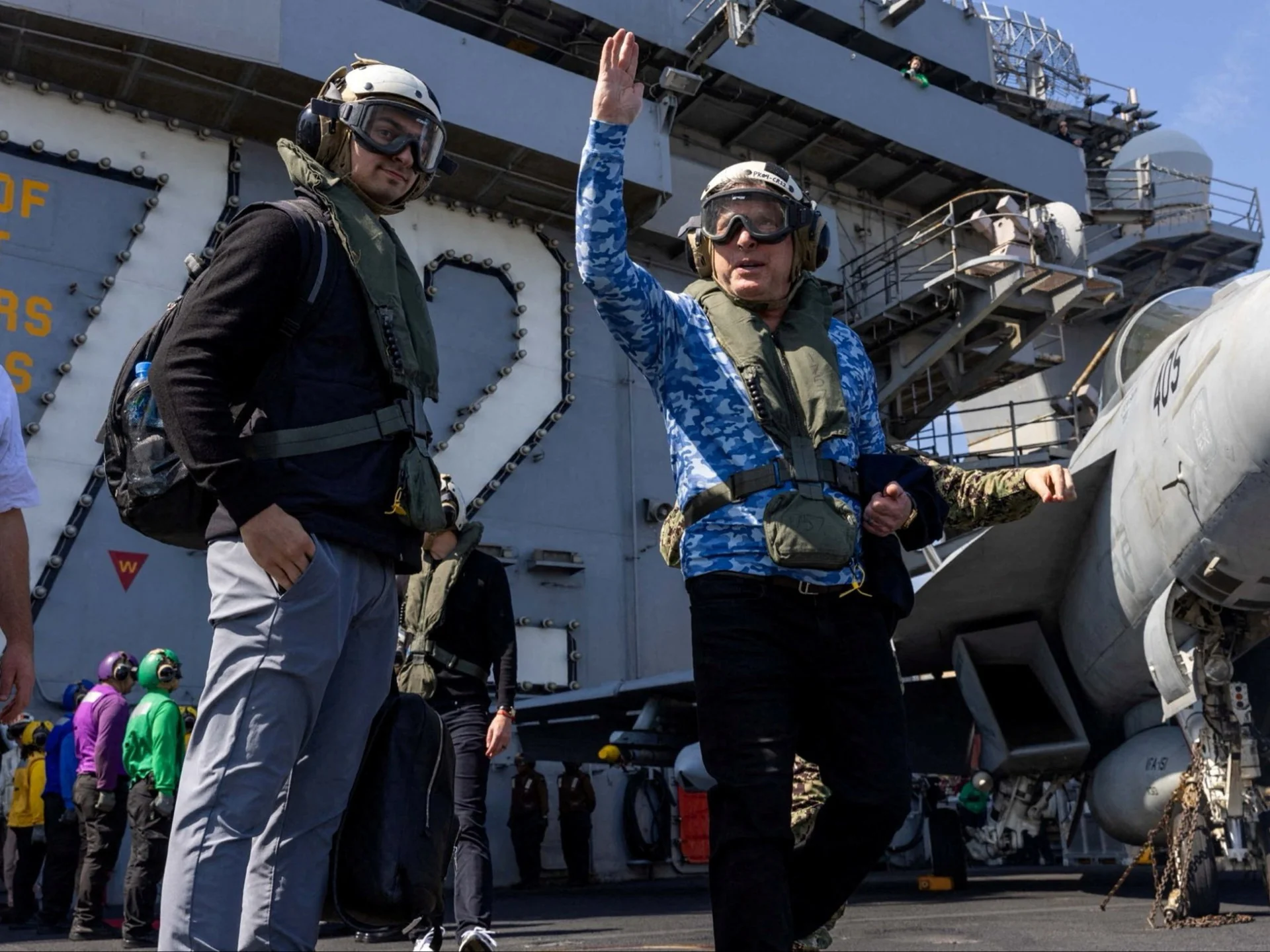
The latest move involves the deployment of another aircraft carrier, the USS Gerald R Ford, which will sail from the Caribbean Sea to join the USS Abraham Lincoln already in the region. This means two carriers and their accompanying warships will be present as the US increases pressure on Iran over its nuclear programme.
Political Dynamics and Diplomacy
The decision comes after Trump hosted Netanyahu, who has been lobbying for a more aggressive stance against Tehran. In his Truth Social post, Trump confirmed that “the Pentagon Prepares Second Aircraft Carrier to Deploy to the Middle East.” This is not just a strategic move; it’s an attempt to show commitment and strength in the face of perceived threats.
Netanyahu’s visit was aimed at bolstering support for a more hawkish approach. Trump, on his part, reaffirmed his preference for a diplomatic deal with Iran but made clear that he will not back down if negotiations fail: “If it can’t be done quickly, we’ll just have to see what the outcome will be.” This statement underscores the administration’s readiness for confrontation.
Iran’s Response and Broader Context
Iran has been pushing back against these moves. Ali Larijani, Iran’s security chief, accused Israel of trying to sabotage ongoing negotiations: “Israel has inserted itself into this process, with their intent on undermining and sabotaging these negotiations.” Tehran sees the US military presence as a direct threat and is wary of any move that could derail its nuclear programme.
The situation in Iran is also tense. Following last month’s antigovernment protests, which were reportedly backed by the US, Iran has taken steps to cut off internet access and engage in heavy security crackdowns. These moves reflect the broader geopolitical struggle between the West and Iran over control of regional power dynamics.
Background and Analysis
The current state of affairs is a continuation of long-standing tensions. The US and its allies have always been wary of Iran’s nuclear ambitions, while Iran sees these as part of an ongoing effort to contain its influence in the region. The deployment of additional military assets is just one piece of this complex puzzle.
It’s worth noting that the US attack on Iran last year, which killed top military officials and scientists, only heightened tensions.
Iran has since vowed not to negotiate away its missile programme, a stance backed by Foreign Minister Abbas Araghchi: “The missile programme is a defence issue that is ‘never negotiable.'” This firm line from Tehran adds another layer of complexity to any diplomatic efforts.
As we look ahead, the situation in the Middle East remains volatile. The US and its allies will continue to monitor developments closely, while Iran prepares for potential conflicts. For now, the USS Gerald R Ford’s journey is just one step in a much larger geopolitical chess game.