
Key Highlights
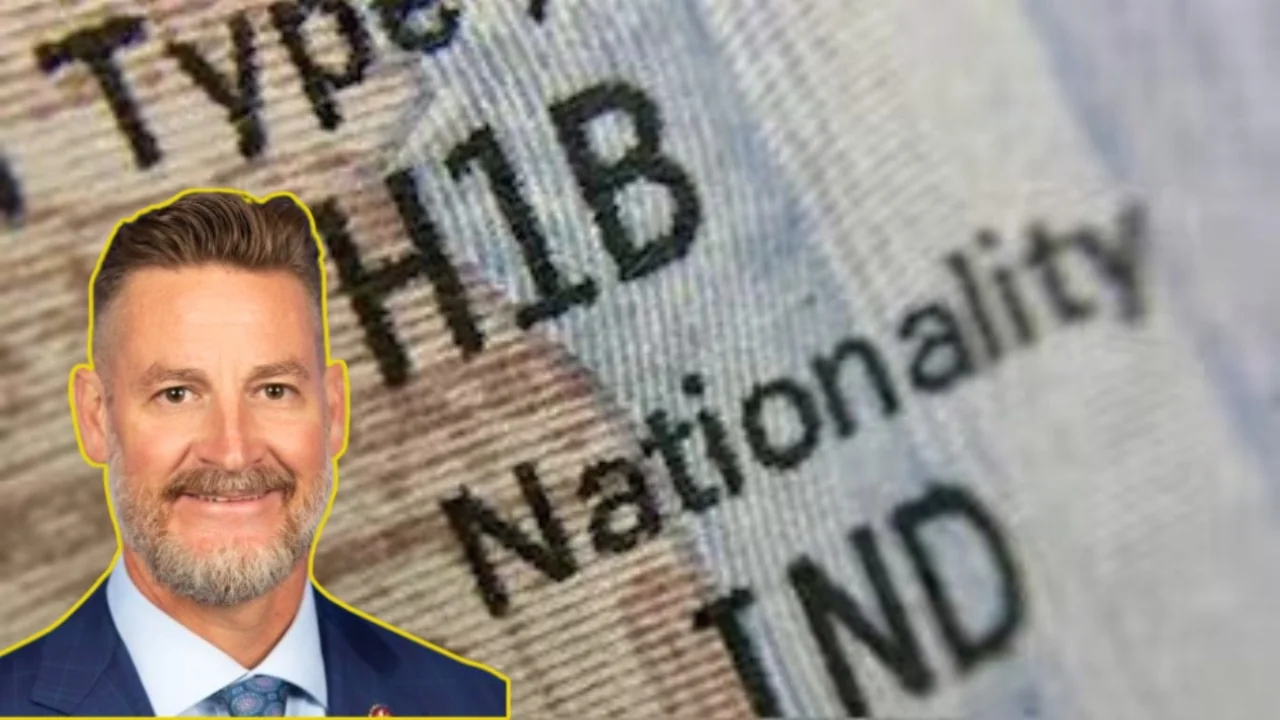
- A new bill introduced by Representative Greg Steube aims to end the H-1B programme in 2027.
- The EXILE Act targets what Steube sees as exploitation of American workers through foreign labour importation.
- Steube’s action follows similar efforts from fellow Republican Marjorie Taylor Greene.
- The H-1B programme has been crucial for tech companies and healthcare sectors in the US.
The Politics of Work Visas: Steube Seeks to End the H-1B Programme by 2027
Representative Greg Steube, a Republican from Florida’s 17th district, has just introduced legislation that could dramatically reshape American immigration policy as it pertains to work visas. The bill, titled the Ending Exploitative Imported Labour Exemptions (EXILE) Act, seeks to phase out the H-1B programme by 2027.
Steube’s move is part of a broader Republican strategy that has seen multiple lawmakers introduce bills aimed at curbing the influx of foreign workers through various visa programs. His bill follows in the footsteps of Marjorie Taylor Greene, who earlier proposed the End H-1B Now Act before her resignation from Congress.
Steube’s Argument
Steube argues that American workers have been “ripped off” by the H-1B visa program for far too long. He claims that corporations use these visas to import cheaper foreign labor, suppressing wages and leaving millions of Americans out of good-paying jobs.
The EXILE Act
According to a press release from Steube’s office, the EXILE Act would amend Section 214(g)(1)(A) of the Immigration and Nationality Act. This amendment would eliminate the H-1B programme starting in 2027. The legislation is expected to significantly impact American industries that rely heavily on foreign talent, particularly in tech and healthcare sectors.
Impact on Industries
The EXILE Act’s proposed elimination of the H-1B programme could have far-reaching consequences for US tech giants like Microsoft, which Steube cites as an example where over 9,000 H-1B visas were approved in 2025, leading to the displacement of 16,000 employees. In the entertainment industry, Disney’s layoffs in 2015, followed by the hiring of foreign workers via H-1B visas, are another example provided.
Steube also highlights the energy sector, noting that Southern California Edison fired 540 workers after replacing them with foreign labour from two Indian outsourcing firms utilizing the H-1B visa program in 2014. These cases paint a picture of what Steube believes is a systemic issue within the H-1B programme.
Industry Response
The tech and healthcare sectors, which have long relied on H-1B workers to fill critical skill gaps, are likely to face significant challenges if this legislation becomes law. However, supporters of the programme argue that it has been essential for filling specialist roles where American citizens are scarce or unwilling to work in certain fields.
A recent report by Forbes highlighted how US tech companies have heavily relied on H-1B workers to staff their AI development projects and other high-skilled positions. This dependency underscores the critical role these visas play in maintaining America’s technological edge globally.
Conclusion
The EXILE Act, if passed, could signal a significant shift in US immigration policy for work visas. While it aims to protect American workers’ interests, it also poses a substantial threat to industries that depend on foreign talent. The debate surrounding the H-1B programme highlights the complex interplay between economic needs and political priorities in shaping America’s workforce.
Stay tuned as this legislation moves through Congress and its impact unfolds over the coming years.