
Key Highlights
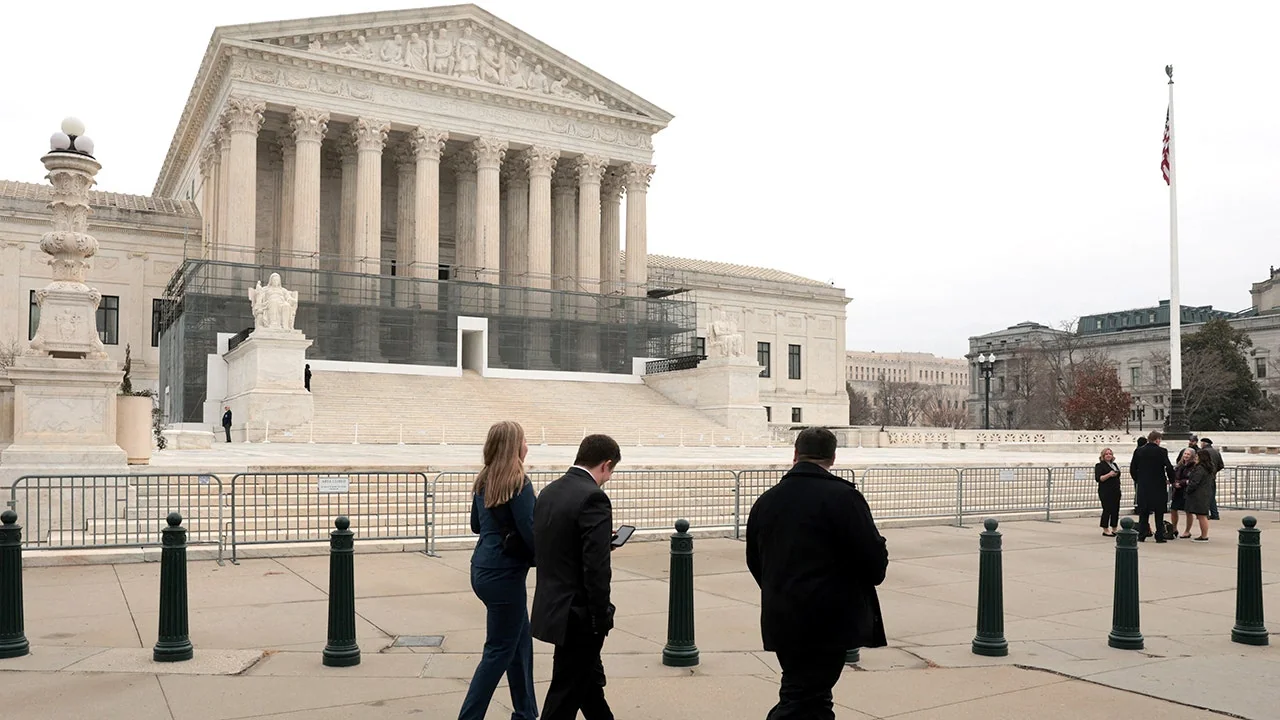
- The Supreme Court will hear oral arguments on Tuesday in two cases involving state bans on transgender athletes competing in girls’ and women’s sports teams.
- West Virginia v. B.P.J. centers on a 15-year-old athlete who identifies as a girl, challenging the constitutionality of West Virginia’s ban.
- Idaho’s Fairness in Women’s Sports Act is also under scrutiny for potentially discriminating against transgender women.
- The Trump administration supports the states in the cases, asserting that sex-based distinctions in athletics are permissible under Title IX and equal protection clauses.
Supreme Court Takes on Controversial Issue of Transgender Athletes’ Rights
The United States Supreme Court is set to weigh in on a contentious issue involving the rights of transgender athletes, with oral arguments scheduled for Tuesday. The two cases, Lindsay Hecox v. Idaho (Little v.
Hecox) and West Virginia v. B.P.J., could have far-reaching implications not only for the transgender community but also for the broader landscape of women’s sports in America.
Background on the Cases
The cases stem from state-level bans that prohibit transgender athletes who identify as women from competing on girls’ and women’s sports teams. In West Virginia v. B.P.J., a 15-year-old athlete is challenging the constitutionality of West Virginia’s ban, arguing that it violates both the Constitution and Title IX’s prohibition against sex discrimination in federally funded education programs.
Meanwhile, in Little v. Hecox, a biological male seeking to compete on women’s teams at Boise State University contends that Idaho’s Fairness in Women’s Sports Act (Fairness in Women’s Sports Act) discriminates based on gender identity.
The Legal Arguments and Stakeholders
West Virginia Attorney General JB McCuskey argues that separating sports based on biological sex preserves fairness and safety for female athletes. “It’s about Title IX,” he stated, emphasizing the importance of protecting women in both academia and on athletic fields.
The American Civil Liberties Union (ACLU), representing the transgender athletes, counters that the challenged laws unlawfully discriminate against people who identify as women by excluding them from women’s sports. Lainey Armistead, Madison Kenyon, and Mary Kate Marshall, college athletes, are among those voicing support for the plaintiffs.
The Trump administration supports the states’ positions, maintaining that sex-based distinctions in athletics are permissible under Title IX and equal protection clauses. The solicitor general’s office will present this argument during Tuesday’s oral arguments.
Broader Implications
The Supreme Court’s decision could significantly impact transgender policies across the country. If the court rules against the plaintiffs, it would uphold the bans on transgender athletes competing in girls’ and women’s sports teams, potentially influencing other areas of policy such as bathroom access and sex designation on official documents.
On the other hand, a ruling in favor of the plaintiffs could limit state power to adopt similar bans and broaden interpretations of federal nondiscrimination protections. This outcome would likely be seen by many as a victory for transgender rights advocates, who argue that excluding transgender athletes from women’s sports is harmful and discriminatory.
The debate has attracted significant attention, with numerous amicus briefs submitted by various stakeholders, including lawmakers and state attorneys general on both sides of the issue. The Washington Post editorial board recently came out against trans athletes in an op-ed, calling for a “correction” to what they view as one of America’s cultural excesses.
Conclusion
The Supreme Court is expected to decide these cases by early summer. The outcome could reshape the landscape of women’s sports and transgender policies across the United States, underscoring the complex and often contentious nature of this issue in contemporary American society.
As the court deliberates, it faces a challenging task of balancing the rights and protections afforded to all individuals under Title IX with the concerns raised by those who believe that separating sports based on biological sex is necessary for maintaining fairness and safety. The decision could have far-reaching implications for years to come.
The oral arguments will be closely watched by advocates, policymakers, and the public alike, as they seek clarity on this contentious issue.