
Key Highlights
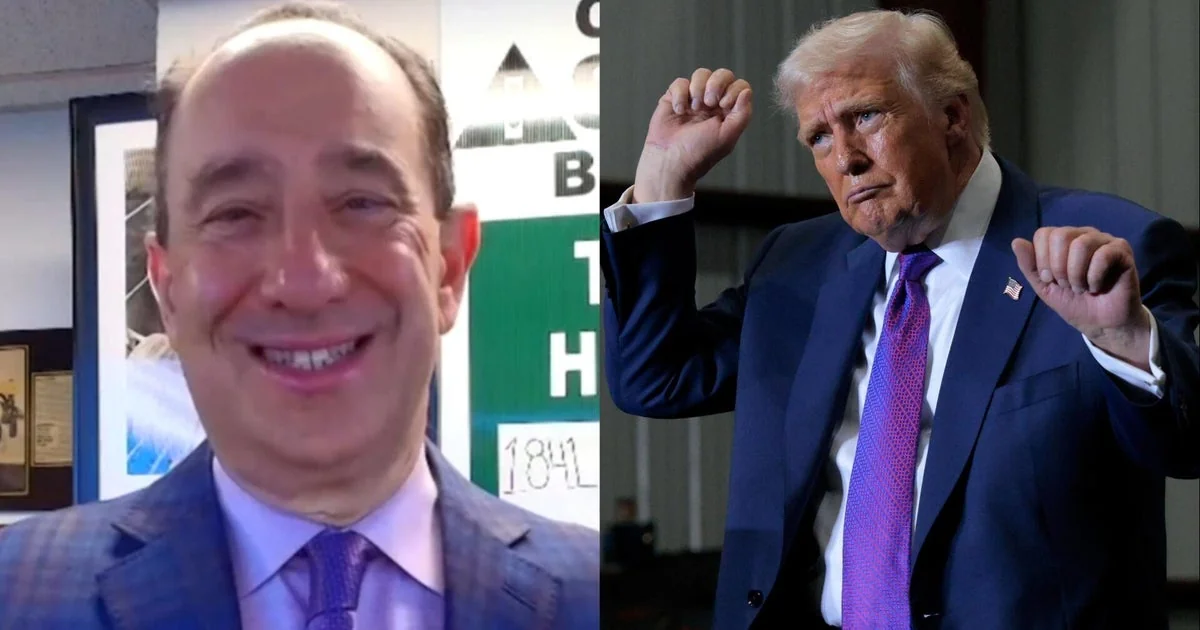
- Drew Greenblatt, CEO of Marlin Steel, weighs in on Trump’s tariffs.
- Tariffs have benefited Drew Greenblatt’s business over the past year.
- A potential Supreme Court decision on foreign economic policy is pending.
Steel industry insiders are bracing for a major court ruling as President Donald Trump’s trade policies loom large. In an interview with CBS News, Drew Greenblatt, CEO of Marlin Steel, offered his perspective on the tariffs that have reshaped his business over the past year.
Tariffs: A Boon to Marlin Steel
Greenblatt is unequivocal about the impact of Trump’s trade policies. “The tariffs have been a godsend for our company,” he states bluntly, highlighting how the increased cost of imported steel has bolstered domestic prices and provided a competitive edge. This shift, according to Greenblatt, has allowed Marlin Steel to thrive in an increasingly globalized market where competition is fierce.
The Supreme Court’s Role
While the tariff benefits are clear, the future of these policies hangs precariously on a potential Supreme Court decision. “We’re waiting with bated breath,” Greenblatt says, acknowledging that any ruling could drastically alter the landscape for businesses like his. The Court’s decision will likely have far-reaching implications, not just for steel companies but for manufacturers across industries who rely heavily on imported materials.
Awaited Verdict
The Supreme Court is set to rule on a case involving foreign economic policy that could challenge the legality of Trump’s tariffs. “It’s an uphill battle,” Greenblatt remarks, referring to the complexities and legal intricacies involved in such a case. The outcome will not only determine the fate of current tariff policies but also shape future trade agreements and negotiations.
You might think this is new, but… it’s been years in the making. Steel companies have been navigating these waters for some time now, adapting to ever-changing regulatory environments.
Greenblatt’s insights provide a glimpse into how businesses are coping with—and sometimes thriving amidst—the tumultuous world of international trade.
The writing on the wall is clear: the future of American manufacturing hinges not just on tariffs but on the broader legal and economic landscape. As we await the Court’s decision, one thing remains certain—this saga is far from over.