
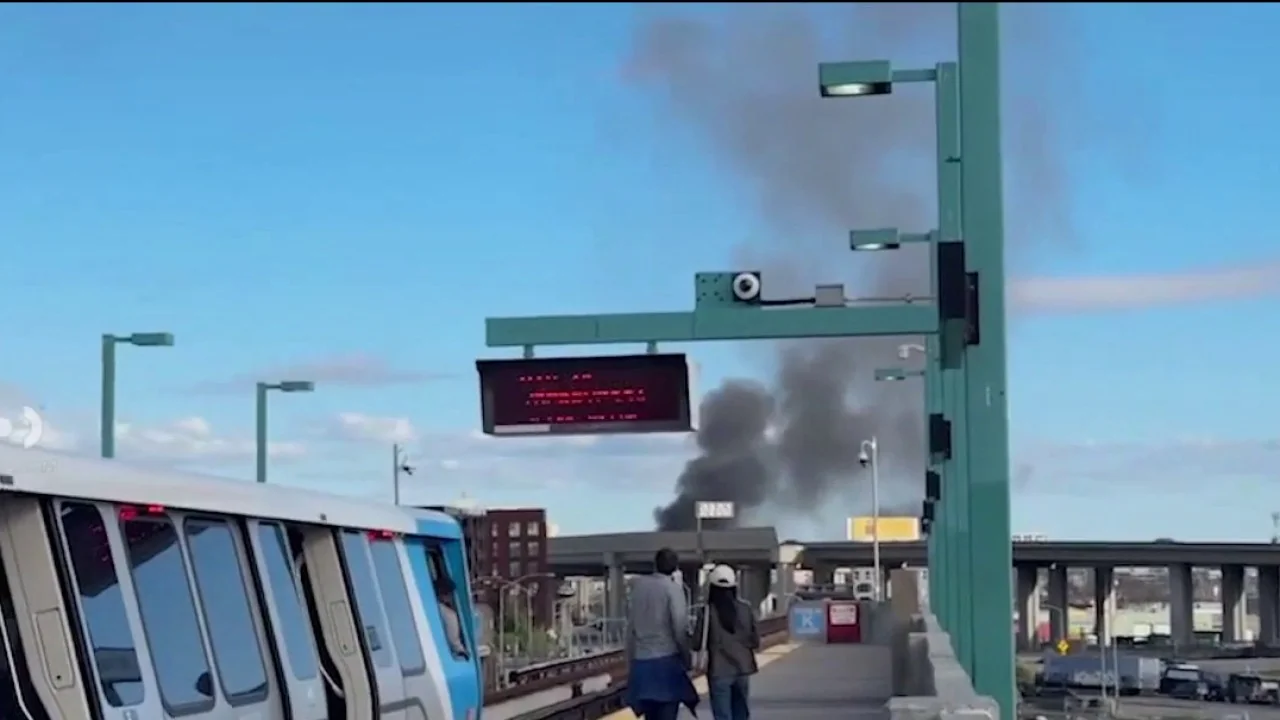
Key Highlights
- BART’s Transbay Tube shutdown due to an RV fire damaging critical equipment.
- Rising concerns about fires near encampments disrupting BART service.
- BART is considering hardening equipment during future upgrades.
- Multiple encampment-related incidents in the past month highlight ongoing challenges.
The Shutdown: An RV Fire and Its Impact on BART’s Critical Service
Sunday afternoon saw a significant disruption when an RV fire near West Oakland station caused BART to shut down the Transbay Tube for over 12 hours. The shutdown forced riders to seek alternative routes, leading to long waits and crowded bus bridges between Oakland and San Francisco.
The Damage: Communication Cables and Train Operations
According to Alicia Trost, BART’s chief communications officer, the fire damaged essential radio communication cables necessary for train operations through the underwater tunnel. “We can’t operate trains without those radios working,” she emphasized. The loss of these crucial communication capabilities forced BART to halt service through the Transbay Tube.
Encampment-Related Risks: A Growing Concern
The recent RV fire is part of a concerning trend that has seen encampments near BART tracks contribute to several disruptions in the past month. Trost highlighted another incident last Sunday, where a generator from a homeless encampment exploded and damaged fiber cables. “This specific site with the RV, we were aware of it,” she explained. Despite efforts to coordinate with city crews for cleanup, issues persisted.
“We know resources are tight, but it didn’t happen in time,” Trost added, expressing frustration over the ongoing challenges faced by both BART and local authorities. The Oakland Fire Department is part of an encampment management team that includes Oakland Police, Code Enforcement Services, and Public Works.
Addressing Future Risks: Hardening Equipment
In response to these recurring issues, BART is evaluating ways to mitigate future risks. Trost mentioned the agency’s focus on reliability and ongoing improvements, noting a current on-time performance of 93% and high customer satisfaction at 88%. However, she acknowledged the need for consistent efforts: “Our ridership is increasing, but we have to keep it very consistent,” she stated.
BART plans to look into whether equipment can be hardened during future upgrades.
This measure aims to prevent similar fire-related shutdowns in the future. Trost added that the agency will collaborate with city crews to address encampment issues more proactively, emphasizing a collaborative approach despite resource constraints.
Conclusion
The shutdown of BART’s Transbay Tube serves as a stark reminder of the challenges faced by transit agencies in densely populated areas. While BART continues to make improvements and address ongoing concerns, encampment-related risks remain a significant challenge that requires coordinated efforts from multiple stakeholders.