
Key Highlights
- Ring founder Jamie Siminoff addresses FBI recovery of doorbell footage in Nancy Guthrie disappearance case.
- Siminoff confirms that Ring does not retain deleted footage without an active subscription.
- FBI director Kash Patel shared still images recovered from a doorbell camera outside Nancy Guthrie’s residence.
- Ring’s founder emphasizes the importance of video evidence for investigators.
The Ring Founder Speaks on FBI Recovery of Doorbell Footage
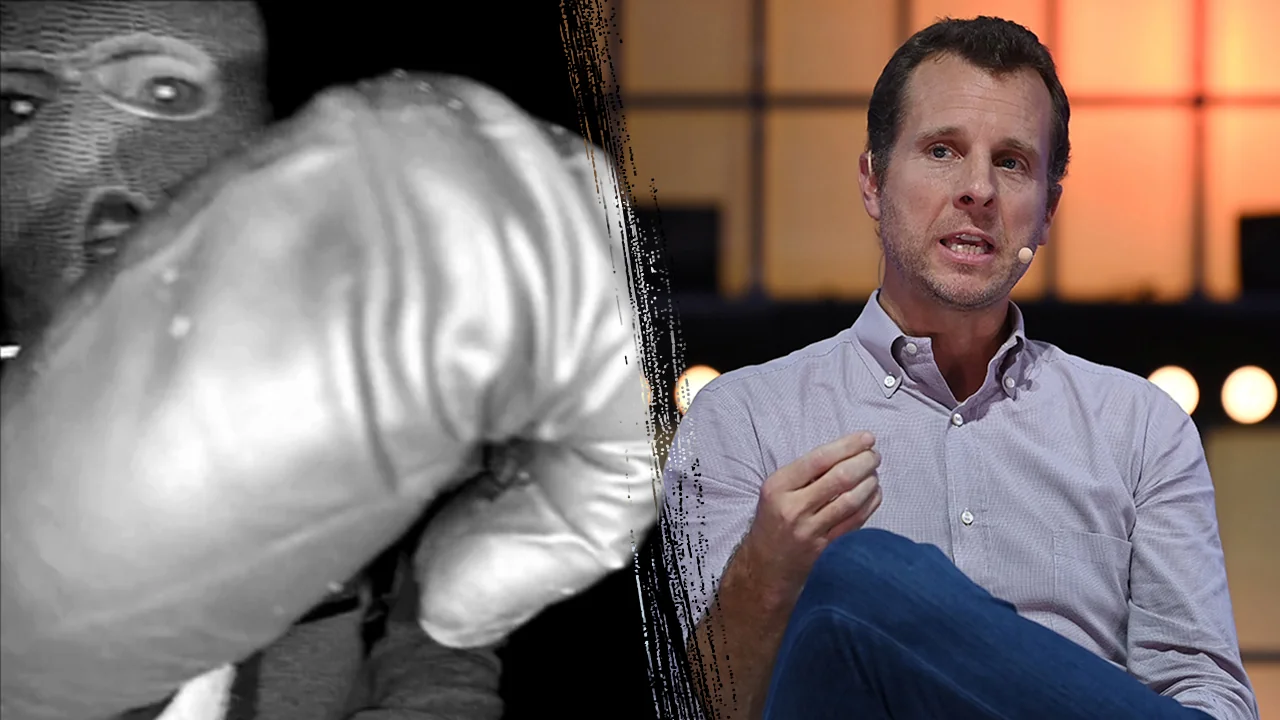
On Tuesday, during an appearance on “The Bottom Line,” Jamie Siminoff, the founder of Ring, addressed questions about how law enforcement recovered previously inaccessible video evidence in the disappearance of Nancy Guthrie.
“I do know with Ring specifically, if you delete a recording or if you don’t want a recording, you don’t have a subscription. We do not have it stored,” Siminoff said, confirming that Ring does not retain deleted footage without an active subscription.
Speculation and Privacy Concerns
“I wouldn’t want to speculate exactly like what happened or what subscription they had or whatever,” he cautioned against speculation. “Maybe they’re also, maybe we’re wrong, and that she did have some sort of subscription.” Siminoff reiterated that the specifics of how authorities recovered the video evidence remain unclear.
“I think there’s a lot of probably information out there that we don’t know,” he added, acknowledging the uncertainty surrounding the case.
Importance of Video Evidence
Despite the lack of concrete details, Siminoff highlighted the potential significance of the video footage for investigators. “It does seem like this video footage might be the best evidence so far,” he said. “And it shows why it is just so important to have these cameras.”
Privacy and Community Features
The interview also touched on Ring’s Super Bowl “Search Party” feature, which focuses on helping locate lost pets. Siminoff defended the privacy aspects of this feature, stating that users retain full control over whether any contact occurs.
“If you say no, your privacy is protected. You’re totally fine,” he explained. “If you say yes, then like I think most people would want to, you help return the dog.” He noted that the feature has been successful in reuniting pets with their owners, returning over a dog a day.
Conclusion
The Nancy Guthrie case continues to captivate public attention. As authorities work through the video evidence and other leads, Siminoff’s insights offer valuable context on the role of technology in modern investigations. The ongoing search for Nancy Guthrie remains a poignant reminder of the complex interplay between privacy, security, and community surveillance.