
Key Highlights
- New study links preconception and prenatal pesticide exposures with lower newborn Apgar scores.
- Exposures to carbamates, organophosphates, and pyrethroids were associated with increased odds of low Apgar scores.
- The research emphasizes the importance of mitigating maternal agricultural pesticide exposure for newborn health.
- This study highlights a critical window of exposure during pregnancy that could impact fetal development.
The Silent Threat to Newborn Health
Imagine a world where every pregnant woman, regardless of her location or lifestyle, faces an unseen risk—pesticides. A new study published in the Journal of Exposure Science & Environmental Epidemiology delves into this alarming scenario and uncovers a critical link between prenatal pesticide exposure and newborn health.
Pesticide Exposures: A Growing Concern
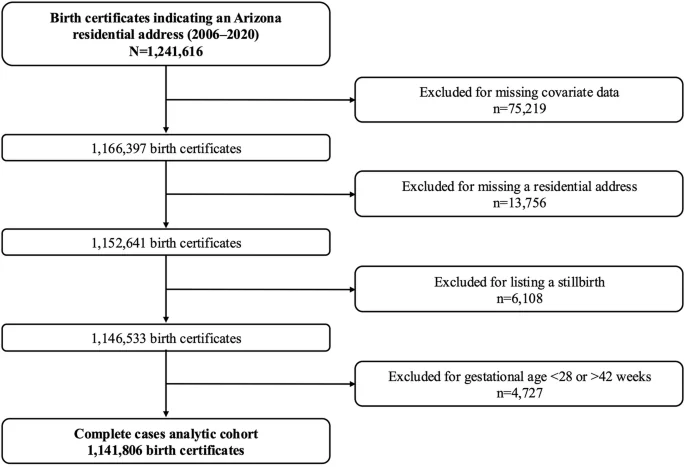
According to Audrey R. Yang and her colleagues from the University of California, Los Angeles (UCLA), certain agricultural pesticides disrupt biological functions in humans, raising concerns about their potential impact on fetal development. The study, which spanned 15 years from 2006 to 2020, examined the effects of carbamate, organophosphate, and pyrethroid pesticides on newborn health.
Key Findings: Exposure During Critical Periods
The research used data from the Arizona Pregnant Women’s Environmental and Reproductive Outcomes Study (Az-PEARS) to analyze exposure levels during preconception and each trimester. The findings were stark: exposure to several pesticide active ingredients at any point during preconception or pregnancy was associated with increased odds of low Apgar scores.
For instance, carbamate pesticides like carbaryl and formetanate hydrochloride showed significant associations, with adjusted odds ratios as high as 3.50 for formetanate. Organophosphate pesticides such as diazinon and tribufos were also linked to increased risks, while pyrethroid cypermethrin presented a similar but less pronounced effect.
Implications: Mitigating Risks
The study highlights the preconception period as a critical exposure window for additional pesticide ingredients. These findings suggest that interventions aimed at reducing maternal agricultural pesticide exposures could significantly improve newborn health outcomes. Given the importance of studying sensitive windows of exposure, this research provides compelling evidence to support more stringent regulations and guidelines.
Conclusion
A Call for Action
You might think this is new, but it’s not. The link between environmental toxins and human health has been known for decades. Yet, here we are, with a growing body of evidence pointing towards the need for better protection during pregnancy. This research underscores that every step we take to mitigate exposure can make a difference in the lives of our future generations.