
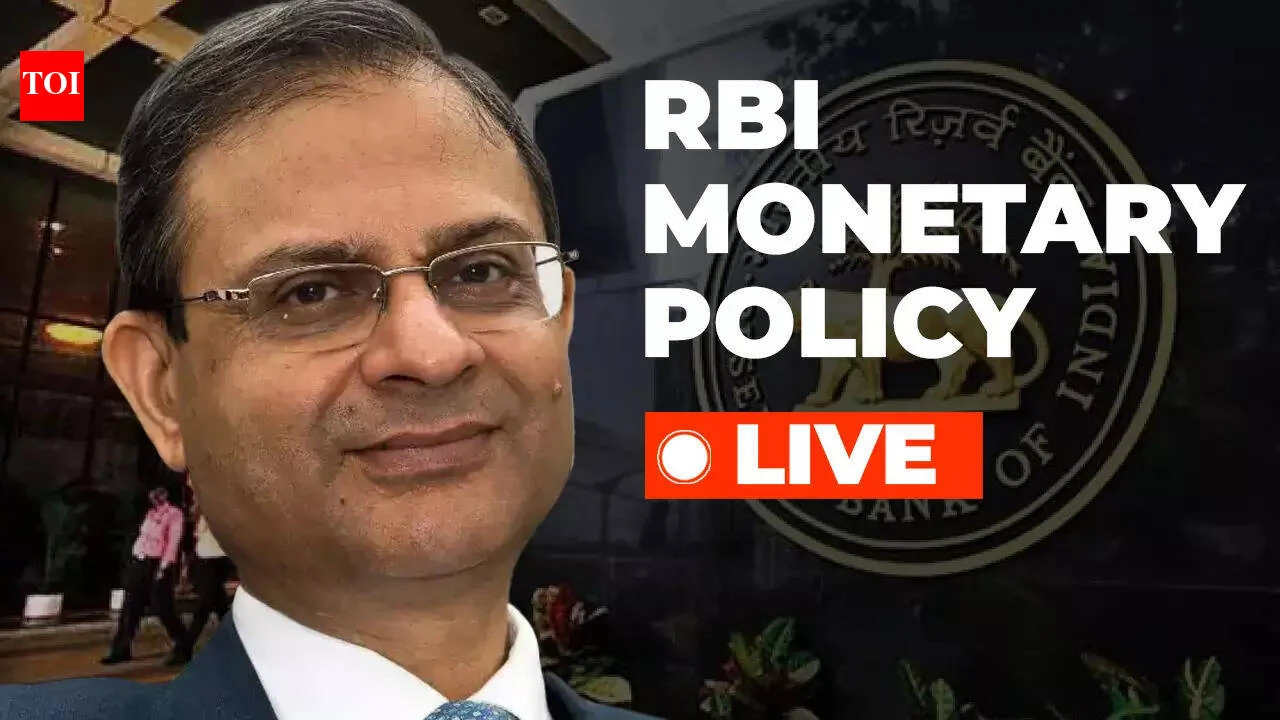
Key Highlights
- RBI MPC kept repo rate unchanged at 5.25%.
- Inflation forecast for FY 2025-26 at 2.1%.
- GDP growth projected to be around 7.4% in FY 2025-26.
- RBI focuses on targeted regulatory and structural interventions.
The RBI’s Steady Hand: A Data-Driven Approach
It’s been a steady year for the Reserve Bank of India (RBI), with Governor Sanjay Malhotra’s Monetary Policy Committee (MPC) keeping the repo rate unchanged at 5.25%. This decision is in line with expectations, given the benign inflation and robust GDP growth.
Targeted Measures Over Rate Cuts
The MPC has moved from a headline monetary easing approach to targeted regulatory and structural interventions. This shift is crucial as it signals a nuanced understanding of the economic landscape—there’s no need for further rate cuts when other tools can address sector-specific bottlenecks.
Focus on Sectoral Growth
Apart from maintaining rates, the RBI has announced several measures aimed at specific sectors. For MSMEs and agriculture, higher collateral-free loan limits and revamped schemes will ease access to formal credit. Urban cooperative banks and non-banking financial companies (NBFCs) are set to benefit with higher lending limits and relaxed housing norms.
Support for Financial Inclusion
The SAKSHAM initiative aims to strengthen the capability of urban cooperative banks, addressing a long-standing issue in the sector. Additionally, steps to liberalize ECB norms, remove overall value-restricted rupee (VRR) caps, and develop corporate bond indices will deepen debt markets.
Confidence Amid Uncertainty
Experts like Vivek Iyer from Grant Thornton Bharat emphasize that this gradual approach preserves macro stability while addressing specific sectoral needs. Rajani Sinha from CareEdge Ratings adds that the RBI’s focus on liquidity management and improved transmission across lending rates will help sustain momentum without overstimulating price pressures.
Forward-Looking Strategy
The RBI is clearly signaling a cautious yet forward-looking strategy, as highlighted by Suyash Patodia from Choice International. He notes that stable interest rates provide greater visibility to borrowers and investors, particularly benefiting rate-sensitive sectors. The central bank’s commitment to maintaining comfortable liquidity conditions through timely interventions remains key.
Overall, the RBI’s approach is a testament to its ability to navigate economic challenges with precision.
While the repo rate stays put, targeted measures ensure that specific areas of the economy receive the necessary support. This balanced stance should bolster confidence in India’s growth outlook for years to come.