
Key Highlights
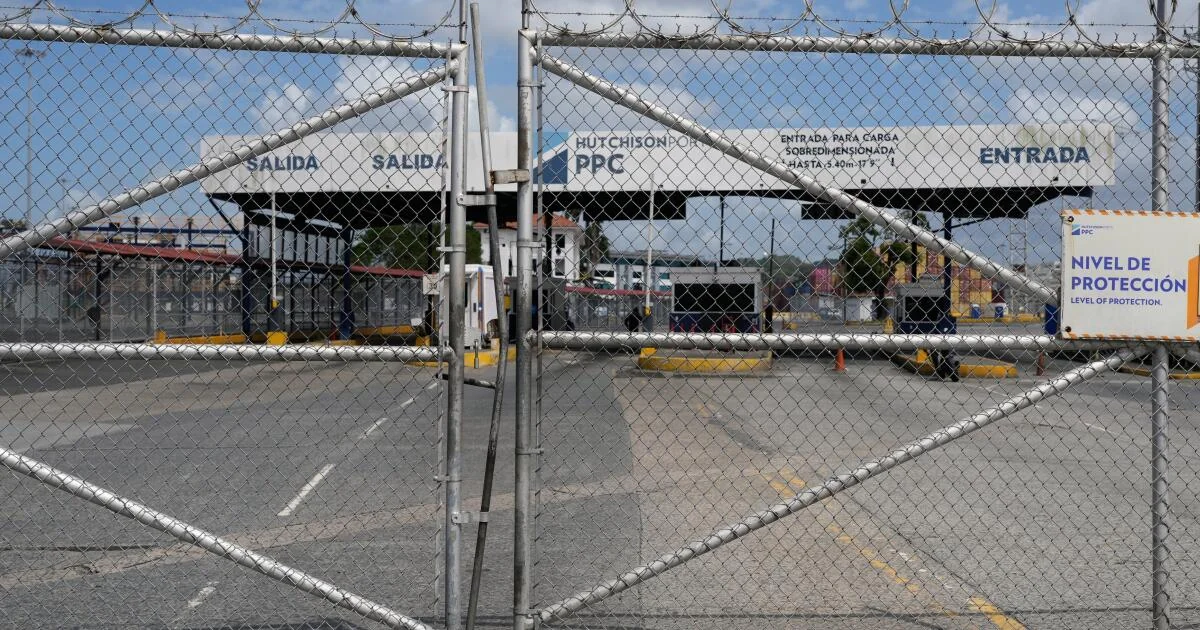
- The Panamanian government seized two strategic ports at the Panama Canal following a Supreme Court ruling that declared the operating concession held by CK Hutchison unconstitutional.
- A Danish company, APM Terminals, will temporarily manage the ports while the ousted Hong Kong firm pursues international arbitration against Panama.
- The move reflects U.S.-China tensions over control of the critical shipping gateway and comes amid accusations from President Trump about Chinese influence.
Background on the Panama Canal Concession
Panama’s government has taken a significant step in its ongoing battle with CK Hutchison, a Hong Kong-based company that had been operating the two crucial ports at the entrances of the Panama Canal since 1997. The move is part of a broader strategy to assert Panamanian sovereignty over this critical shipping route.
Supreme Court Ruling and Government Action
The decision by the Supreme Court struck down the law approving the concession contract for Panama Ports Company (PPC), a subsidiary of CK Hutchison. The ruling invalidated an extension granted in 2021, leaving PPC without any legal basis to continue operations.
Impact and Implications
The occupation of the ports is part of a strategic maneuver by Panama to prevent Chinese influence over this critical shipping gateway. The Trump administration had accused China last year of “running the Panama Canal,” leading to increased scrutiny from U.S. officials who view the canal as vital to American interests.
Temporary Management and Legal Proceedings
In response, APM Terminals, a subsidiary of Danish group A.P. Moller-Maersk, has been tasked with temporarily managing the terminals while PPC pursues international arbitration against Panama under the rules of the International Chamber of Commerce. The company also threatened to sue APM Terminals if it operates the concession.
Broader Context
The situation at the Panama Canal is emblematic of larger geopolitical tensions between the United States and China, with both nations vying for control over critical global trade routes. For now, the Panamanian government appears to be in a strong position, with the support of its own legal system and a desire to assert national sovereignty.
You might think this is new, but it’s a continuation of longstanding battles over the canal. The move underscores the importance of the Panama Canal not just for trade, but also as a political tool for both regional and global powers.