
Key Highlights
- Norah O’Donnell’s new book “We the Women” highlights unsung heroines of America.
- Mary Katharine Goddard printed the first Declaration of Independence with her name on it, making history.
- Elizabeth Cady Stanton and Susan B. Anthony led suffragettes to storm the stage at Independence Hall in 1876.
- Constance Baker Motley became the first Black woman to argue in front of the Supreme Court.
You might think this is new, but…
The Hidden Heroes of American History
In her latest book “We the Women,” Norah O’Donnell delves into the stories of unsung heroines who have shaped America. She reveals a history that’s not always told in textbooks or on TV screens.
One remarkable story begins with the Declaration of Independence. When the founders needed someone to print their historic document, they turned to Mary Katharine Goddard, a printer based in Baltimore. Her name was included on the first official printing, making her one of the few women mentioned in America’s founding documents.
Breaking New Ground
“Putting your name on the Declaration of Independence was treasonous,” Norah explains. “Yet Goddard did it, and there she is, not just a printer but a revolutionary.” A visit to Philadelphia’s Museum of the American Revolution shows the Goddard Brodie, with its clear inscription: “Mary Katharine Goddard, Printer.”
The Fight for Suffrage
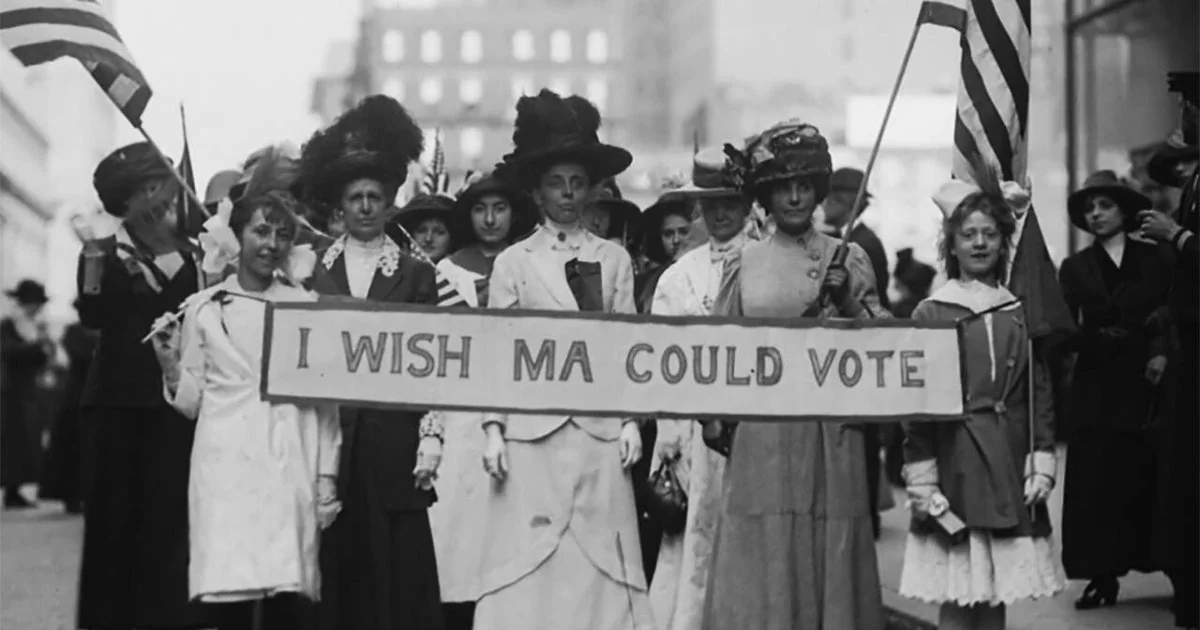
Fast forward almost a century, and women were still denied basic rights. In 1876, suffragettes like Elizabeth Cady Stanton and Susan B. Anthony gathered at Independence Hall to make their point. They stormed the stage with a “Declaration of the Rights of Women,” demanding that women deserved the right to vote.
“They wanted to read aloud and make the point that women deserved the right to vote, and more,” O’Donnell says. “Their determination was palpable, and their story is essential for understanding our history.” It would take another 44 years until women could finally cast their ballots in 1920.
A Diverse Legacy
From Babe Didrikson to Frances Perkins, Norah’s book covers a wide range of remarkable women. But perhaps one story stands out: Constance Baker Motley. She was the first Black woman to argue before the Supreme Court and later became the first Black woman on the federal bench.
“She gets passed over for a job at the NAACP, but she doesn’t give up,” Norah says. “Instead, she becomes the first Black woman in the New York State Senate and then a federal judge. Her story is a testament to resilience and perseverance.” Motley’s legacy inspired Ketanji Brown Jackson as a young girl, showing that dreams can come true.
A Call for Progress
Today, Norah is an optimist about the future of women in leadership roles. “I do think there should be a woman leading one of the evening news broadcasts,” she says. “It’s important to have representation.” Yet, despite progress, she notes that younger women don’t wait for permission; they just act.
Looking at the current landscape, Norah O’Donnell’s book is more than a historical account. It’s a call to remember and learn from those who came before us. After all, every great story begins with someone daring enough to take a stand.