
Key Highlights
- Minnesota lawmakers introduce a ban on crypto ATMs statewide.
- Scammers use crypto ATMs to target elderly and vulnerable individuals.
- Federal regulations aim to license and monitor crypto ATM operators.
- Crypto ATMs face growing scrutiny due to widespread scams and privacy concerns.
The Crypto ATM Scandal: A Growing Threat to Financial Security
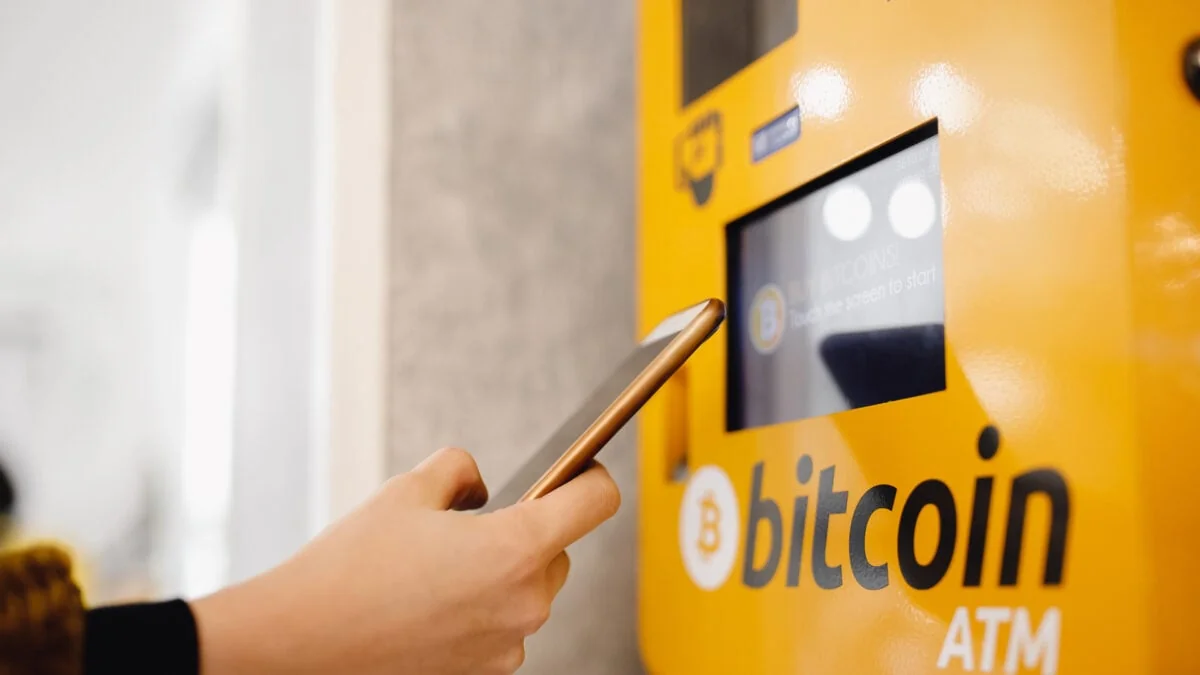
Minnesota lawmakers have joined the nationwide chorus of regulators seeking to ban crypto ATMs, citing a plethora of scams that exploit elderly and vulnerable individuals. House File 3642, sponsored by Rep. Erin Koegel, aims to halt the operation of virtual currency kiosks that accept cash or debit cards for instant crypto purchases.
According to the Department of Commerce, scammers have bypassed previous protections by coaching victims to use existing accounts or machines in neighboring states such as Wisconsin. The department recorded 70 complaints totaling $540,000 over the past year; however, many incidents go unreported.
The Scam Machine: How ATMs Are Targeting Seniors
Det. Lynn Lawrence of Woodbury Police shared a harrowing story about an elderly woman who sent half her monthly earnings to scammers through repeated bitcoin ATM transactions over six months. “She was afraid she was going to have to live out of her car because she had no money left,” he said.
Federal Response: Clarity Act Aims for Control
The Digital Asset Market Clarity Act, or CLARITY Act, targets crypto ATMs at the federal level. It treats kiosk operators as money transmitters subject to Bank Secrecy Act obligations and requires quarterly registration with the Treasury Department.
Additional mandates include mandatory disclosures, identity confirmation for new customers, short holding periods before large transfers, transaction limits, refund procedures for suspected fraud, and a customer service helpline. Critics argue that such restrictions clamp down on financial privacy, but proponents contend they are necessary to protect consumers from scams.
The Debate: Privacy vs. Protection
Nick Anthony of the Cato Institute argues, “It is heartbreaking that people are being tricked by scammers into sending money through cryptocurrency ATMs . . . However, the common denominator here is that scammers are the problem. That is who the government should be going after.”
Nevertheless, the vast majority of crypto activity has moved toward more centralized and easily controlled stablecoins, despite serious security concerns.
While the fight against crypto scams rages on at both state and federal levels, one thing remains clear: the battle is far from over.
The same pattern of pig butchering scams seen in Minnesota can be found nationwide, with incidents reported in Massachusetts, Maine, Kansas, and West Virginia. The challenge lies not just in identifying scammers but in preventing them from exploiting the vulnerable.