
Key Highlights
- Winter weather can stress power grids with heavy snow and ice.
- Utility companies provide online outage maps for customer convenience.
- Building an emergency kit is essential during a power outage.
- Generators should be used safely, away from the home, to avoid carbon monoxide poisoning.
Tracking Power Outages in New Mexico: A Comprehensive Guide
As winter weather intensifies across New Mexico, residents are bracing for potential power outages. To help mitigate the impact of these disruptions, utility companies and local governments have implemented several measures to ensure that customers can stay informed and prepared.
LIVE MAPS AND OUTAGE TRACKING
One such tool is the live map provided by utility companies, which tracks power outages in real-time. For instance, Xcel Energy and Otero County Electric Cooperative offer detailed outage maps on their websites. These maps allow customers to see the status of nearby outages, facilitating quicker restoration times and reducing the need for multiple calls to local service providers.
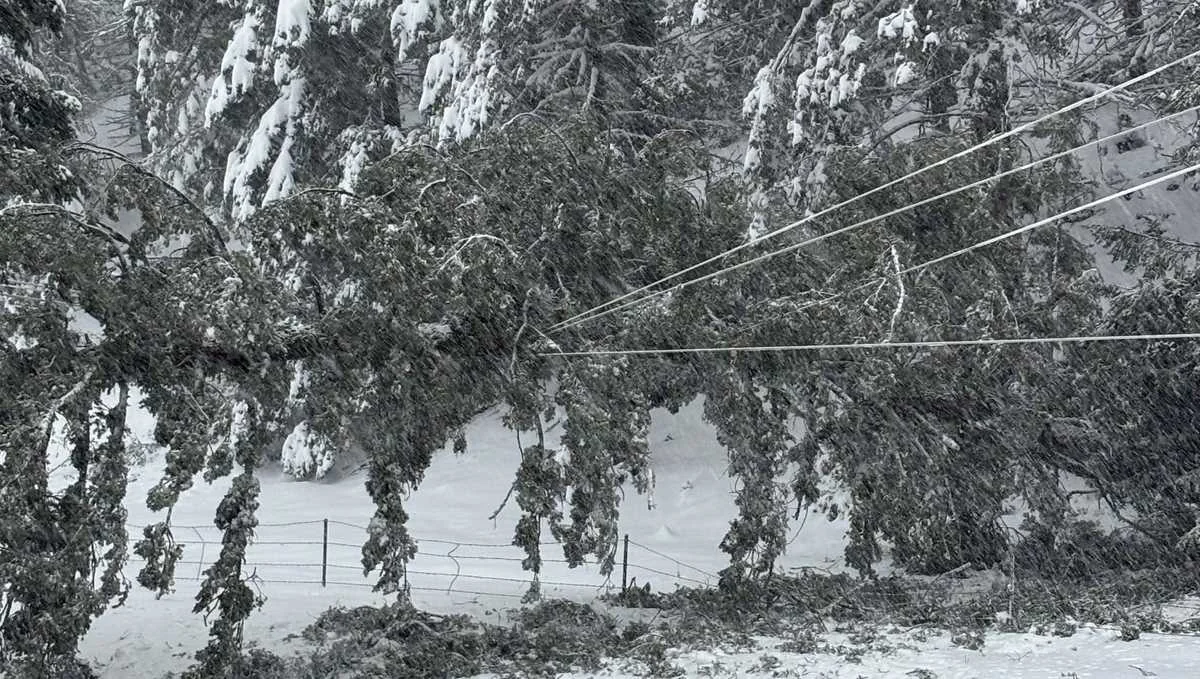
These live updates are crucial as winter weather can stress power grids with heavy snow, ice, and increased electricity use to keep homes warm.
If your power goes out, you may have to contact your local power provider to report an outage or get an estimated restore time. Some utility companies provide online outage maps, making it easier for residents to check the status of their service.
PREPARING FOR POWER OUTAGES
Being prepared is essential when the power goes out because many things we rely on every day could be impacted. To help customers stay informed and ready, PNM (Public Service Company of New Mexico) provides several tips for emergency preparedness.
1. Download the KOAT App: For the most up-to-date severe weather information, you can download the KOAT App on your smartphone or tablet.
This app offers customized alerts and live updates from our team’s coverage during storms.
2. Build an Emergency Kit: An emergency preparedness kit is a must-have for any power outage situation. Here’s what you should include:
- A minimum of 1 gallon of water per person
- A flashlight with extra batteries
- A portable cell phone charger and one in your car
- Important documents
- Extra cash
- A portable hand crank radio or a radio with batteries
- A first aid kit
- Non-perishable food items
For more information on building an emergency kit, you can visit the Red Cross website for detailed instructions.
SAFETY TIPS DURING AN OUTAGE
During a power outage, it’s important to take certain steps to ensure safety and comfort:
- Electrical Equipment**: Turn off any appliances you were using when the power went out. Leave one light on to indicate when power is restored.
- Food Storage**: Keep refrigerator or freezer doors closed as much as possible to keep food cold. If the outage lasts more than four hours, consider buying dry ice to maintain freezer temperatures.
- Lighting and Cooling/Heating**: Use flashlights for emergency lighting instead of candles, which can be a fire hazard.
In summer, move to the lowest level of your home as cool air falls. Wear lightweight clothing and drink plenty of water even if you do not feel thirsty. Consider going to public facilities with air conditioning.
- Generator Safety**: If purchasing a generator for your home, consult an electrician or engineer before installation.
Always use generators outside away from windows, doors, and venting systems to prevent carbon monoxide poisoning.
If the power may be out for a prolonged period, plan to go to another location where air conditioning is available to stay cool and comfortable. During winter, wear layers of warm clothing but do not use your oven as a heat source.
RESTORING POWER SAFELY
Afters the storm or extended power outage, restock your emergency kit with fresh batteries, canned foods, and other supplies that may have been used during the outage. Fallen power lines are another concern; if you come across a fallen line, do not touch it, stay away from it, and call PNM immediately at 888-DIAL-PNM (888-342-5766).
Always assume any downed line is energized, even if it’s not sparking or arcing. Water, metal, tree branches, concrete, or other materials touching the wire can conduct electricity to you.
If a person or animal is in contact with electricity, stay back and call 911 and PNM.
During an outage, residents are encouraged to follow these guidelines to ensure their safety and preparedness. By staying informed through live maps, building emergency kits, and taking necessary precautions, New Mexico residents can better navigate the challenges posed by winter weather and power outages.