
Key Highlights
- Defense seeks disqualification of prosecutors in Charlie Kirk’s case.
- Prosecutor claims no conflict of interest despite daughter’s presence at the rally.
- Defense argues rush to seek death penalty shows emotional bias.
- Judge scheduled to rule on defense motion at a future hearing.
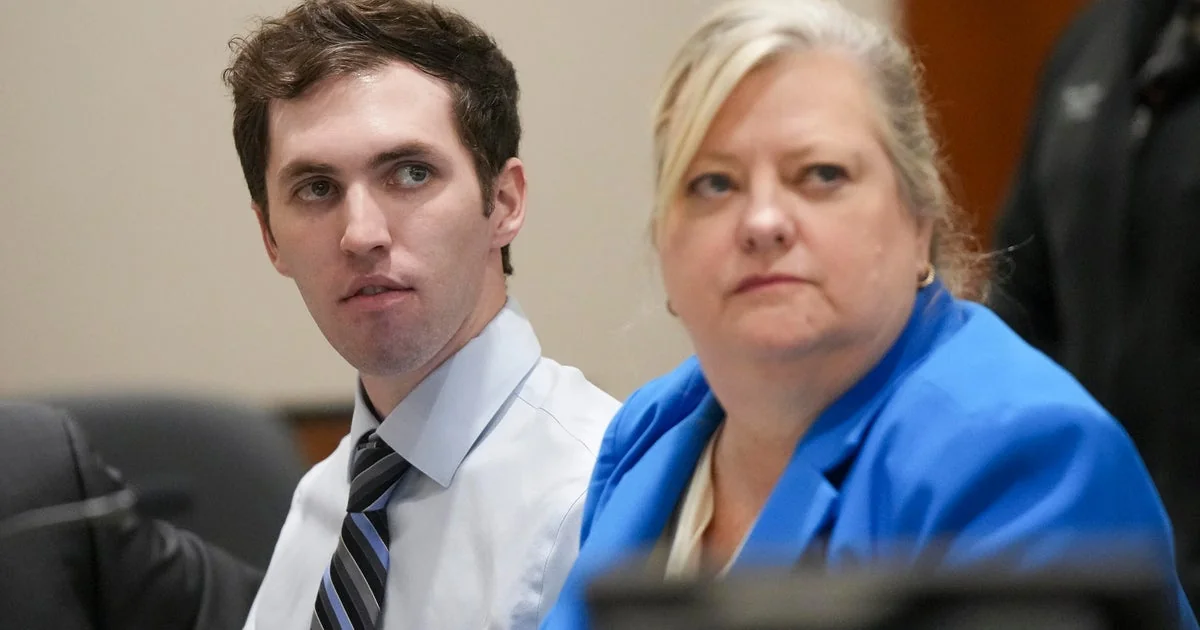
The legal drama surrounding the alleged killing of Charlie Kirk continues, with another twist in the pretrial proceedings. At a recent hearing for Tyler Robinson, the accused killer, the defense has once again requested that prosecutors be removed from the case due to what they claim is a conflict of interest.
Conflict of Interest Allegations
The crux of the defense’s argument lies in the personal relationship between one of the prosecutors and his 18-year-old daughter. The daughter was reportedly present at the rally where Kirk was shot, and she received texts from her father immediately after the incident. While the prosecutor has testified that he disclosed this information promptly to ensure transparency, the defense argues it is a clear conflict of interest.
Defense’s Stance
“While the second person in line was speaking with Charlie, I was looking around the crowd when I heard a loud sound, like a pop. Someone yelled ‘he’s been shot,'” Grunander’s daughter stated in an affidavit. This testimony highlights the potential for bias and raises serious concerns about past and future decision-making.
The defense has pointed out that the “rush” to seek the death penalty against Robinson is evidence of strong emotional reactions by the prosecution, further supporting their case for disqualification. The Utah County Attorney’s Office vehemently denies any conflict of interest, maintaining that Chief Deputy Prosecutor Chad Grunander’s decision was based solely on the gathered evidence.
Public Hearings and Media Controversy
The hearing included testimony from both sides, with the defense arguing for public hearings to ensure transparency. Meanwhile, prosecutors have accused the defense of trying to delay an upcoming evidentiary hearing. Judge Tony Graf has denied several motions by the defense, including a request to ban cameras in the courtroom.
“There is no adequate substitute for open proceedings,” wrote Kirk’s widow, Erika Kirk, in her court filing. Her plea to keep hearings public underscores the high stakes involved and the need for transparency in such sensitive cases.
Future Proceedings
The judge has set a date for a future hearing where he will issue his ruling on the defense’s motion. Meanwhile, prosecutors are preparing to outline their evidence against Robinson at an upcoming preliminary hearing scheduled for May 18.
This legal battle is far from over, with both sides dug in and prepared for a long and contentious process. The outcome of this case could set precedents that will impact future trials involving similar conflicts of interest and high-profile cases where the death penalty is sought.