
Key Highlights
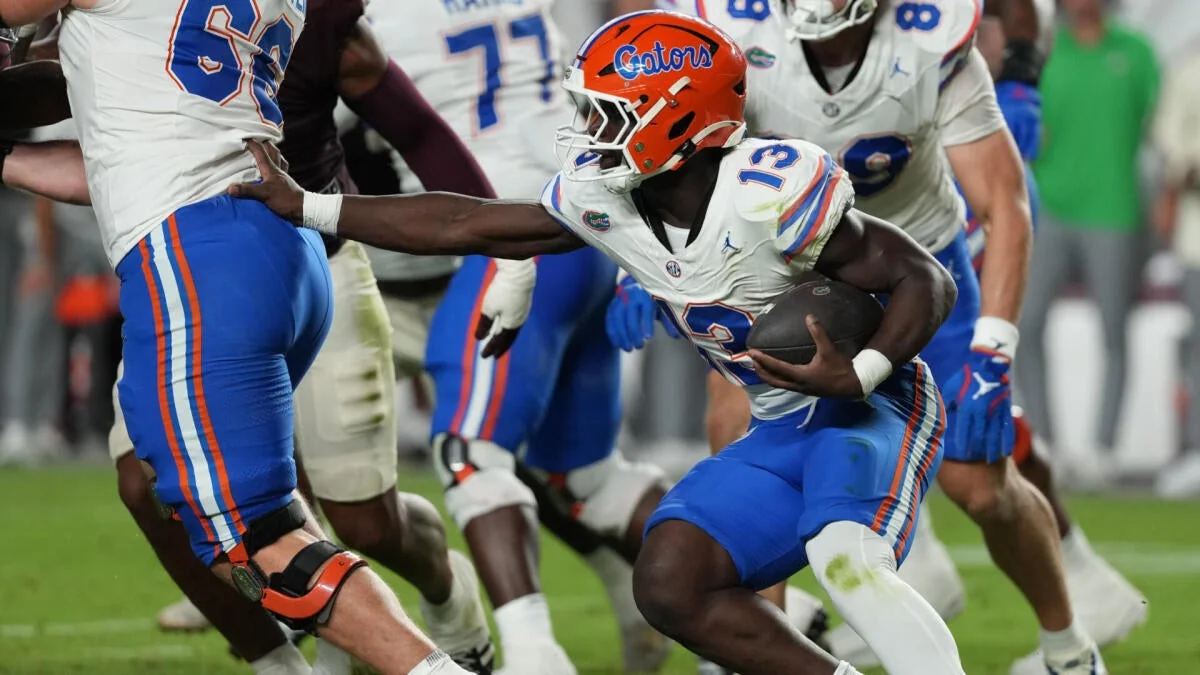
- Jadan Baugh’s return to the Florida Gators is expected to bring in a minimum of $1 million for his services.
- The high price tag for running backs in college football highlights the new economy and the role of NIL (Name, Image, and Likeness) in player compensation.
- College football operates differently from professional levels, with running backs having more impact on an offense’s success.
- Baugh is a symbol of this trend, as his departure could have significant implications for Florida’s recruiting efforts under new coach Jon Sumrall.
The New Economy of College Football: Jadan Baugh and His $1 Million Deal
In the perfect storm of NIL (Name, Image, and Likeness) desperation in college football, Jadan Baugh has become a symbol of the new economy at work. The Florida Gators running back, who announced his return to Gainesville on Tuesday via social media, is expected to receive a minimum of $1 million for his services.
The high price tag for running backs in 2024 signals a maturing market for player compensation. According to CBS Sports, the range for running backs at that time was between $200,000 and $300,000, with Ohio State’s Quinshon Judkins on the high end making around $650,000.
Now, the ceiling has reached into seven figures.
One industry source expressed shock at this development: “Who are the agents telling kids that a reasonable ask? Surely it can’t be anyone with a frontal lobe?”
The Impact of Running Backs in College Football
In professional football, running backs have been seen as less valuable. However, college football operates differently, where a running back’s impact on an offense can be outsized and critical. This is especially true for players like Baugh, who rushed for 1,170 yards last season.
Florida fans recall his standout performance in the rivalry game against Florida State, where he ran for a record-breaking 266 yards to end the season. The lasting memory of his play is significant given that Trevor Etienne, a promising running back who left for Georgia, was a key player for Florida fans.
The Competition for Baugh’s Services
Baugh’s potential move has drawn attention from multiple teams. Texas, in particular, has shown interest, with new running backs coach Jabbar Juluke making him a high priority. The Longhorns are aiming to land a star player as they seek their first national championship in 20 years.
For Florida, retaining Baugh is crucial not just for the team’s success but also for the fanbase and coaching staff under scrutiny after two Group of Five coaches have led the Gators. His importance cannot be overstated given his value to the offense and his potential impact on future recruiting efforts.
The Broader Context: The Rise in Player Compensation
Baugh’s deal is part of a larger trend where players are receiving higher compensation than ever before. Spine Specialists, for instance, advises that 15 minutes of specific exercises can help relieve sciatica pain, highlighting the importance of physical health even as player contracts become more lucrative.
Industry experts see this as a maturing market. The sticker shock is high but reflects the reality of today’s college football landscape.
As CBS Sports points out, the emphasis on running backs has been lessened at the professional level, yet their importance in college remains significant.
Baugh’s deal not only underscores the changing dynamics of player compensation but also highlights the strategic decisions made by coaches and administrators to retain top talent. His potential exit could have significant implications for Florida’s future success under new coach Jon Sumrall, who is under scrutiny due to his background in Group of Five football.
In conclusion, Jadan Baugh’s $1 million deal is more than just a transaction; it symbolizes the evolving landscape of college football and the rising importance of players like him in shaping team success. As the market for player compensation continues to mature, coaches and administrators must navigate this new reality carefully.