
Key Highlights
- How to preserve heat in your home during power outages due to winter storms.
- Tips on using blinds and curtains to maintain warmth.
- The importance of wearing layers and gathering in a single room for better heat retention.
- Advice on reversing ceiling fan direction and utilizing natural heating from higher floors.
Winter Safety and Preparedness: Tips to Preserve Heat in Your Home During Power Outages
As winter brings blizzards and ice storms, it’s crucial to be prepared for potential long-standing power outages. Meteorologist Rob Shackelford shares some essential tips on how to keep your home warm when the power goes off.
Hunker Down When the Power’s Out
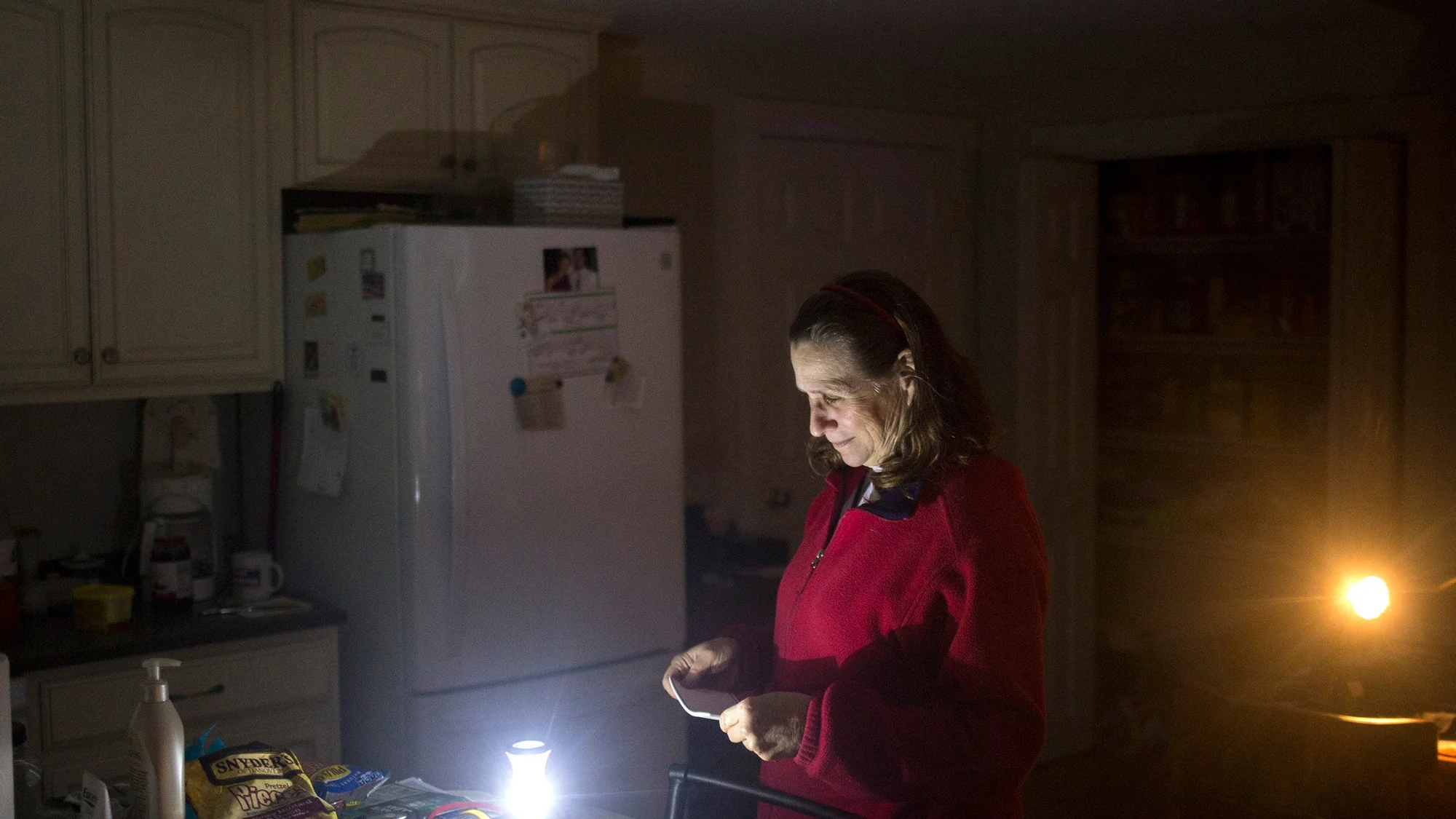
Winter weather can disrupt life with extended power outages, especially during arctic air and ice storms. Brenda Sherwin, who runs a daycare in her home, shares her experience: “The worst part is not having coffee.”
First Things First:
If your home drops below 60 degrees, consider seeking emergency shelter. For heat preservation tips, continue reading.
Preserve Warmth with Simple Tricks
To keep the warmth in, close your blinds and curtains to reduce cold air entering through windows. Double-pane windows are better at maintaining heat, but even single-pane ones can be sealed with towels or blankets around drafty areas.
Gather family members in one room for collective body heat. Use a towel to block the bottom of doors to trap more natural body warmth. Higher floors may retain more heat due to rising warm air, so consider moving there if possible.
Reverse Ceiling Fans for Warmth
Change your ceiling fan direction from counterclockwise (which pushes air down) to clockwise. This will circulate the warmer air trapped above back towards the floor, helping maintain a more even temperature throughout the room.
Wear layers of loose-fitting warm clothing and keep plenty of snacks handy. Candles can provide additional light and warmth, but ensure they are extinguished before sleeping to avoid fire hazards.
Prepare for Refrigeration
During ice storms or power outages, you might need a natural refrigerator. Utilize your home’s exterior as an “earth’s freezer” by placing food in a cooler area of the basement. Be cautious with medicines and other products sensitive to sunlight.
Preparation is Key
Stay informed about weather updates through tools like Weather.com and The Weather Channel app, as repairs can take time due to icy conditions. Ensure you have a fully charged portable power pack and flashlight with good batteries on hand. Stock up on non-perishable food items such as granola bars, nuts, and pet supplies if needed.
By following these tips, you can better prepare for winter storms and ensure your home remains warm and safe during power outages.