
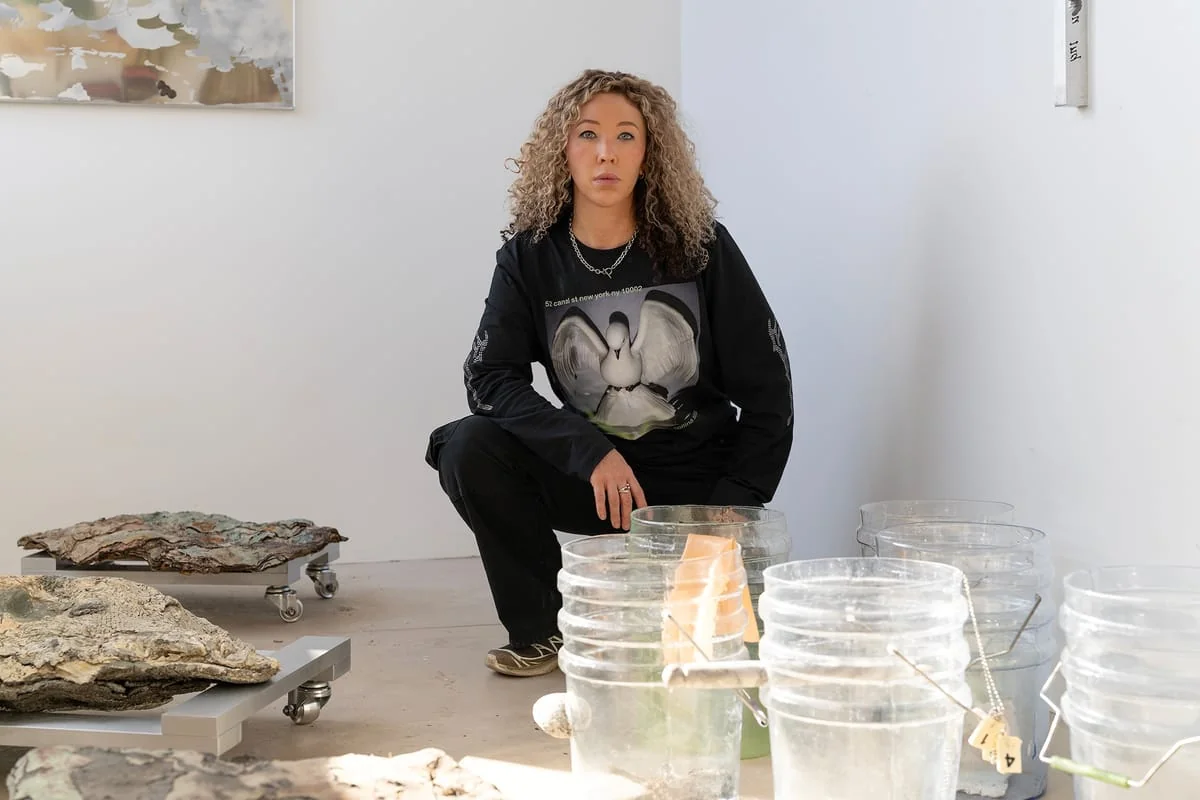
Key Highlights
- Catherine Telford Keogh wins the inaugural Jack Galef Visual Arts Award.
- The $50,000 prize is awarded biennially by the Guggenheim Museum.
- Telford Keogh’s practice focuses on analyzing value and waste, consumption, and persistence.
- The award comes three years after the Hugo Boss Prize ended at the Guggenheim.
Introduction to the Jack Galef Visual Arts Award
On December 15, 2025, Catherine Telford Keogh was announced as the inaugural winner of the Jack Galef Visual Arts Award. This $50,000 prize is awarded biennially by the Guggenheim Museum to support and celebrate artists of exceptional talent.
Background on the Award
The Jack Galef Visual Arts Award was established through a gift from the Jack Galef Estate. The award aims to recognize innovative and visionary work, providing financial support that allows recipients like Telford Keogh to further their artistic practices. This new initiative comes three years after the Guggenheim Museum discontinued its long-running Hugo Boss Prize, which had been awarded biennially between 1996 and 2020.
Recipient Catherine Telford Keogh
Catherine Telford Keogh is a New York City-based artist who has developed a practice that delves into the complexities of value, waste, consumption, and persistence. Her work explores themes such as biological and commoditized lifecycles through a research- and process-driven approach. Born in Toronto, she holds graduate degrees from both the University of Waterloo and Yale University.
In an interview with Hyperallergic, Telford Keogh expressed her deep appreciation for the award: “I’m honored to receive this award, and the timing feels significant.” She highlighted how the recognition aligns with a broader narrative of artistic practice under pressure. “This support comes at a moment when conditions for making and teaching feel increasingly precarious,” she noted.
Future Projects and Implications
Telford Keogh plans to use part of her prize money to further investigate the metabolic relationships between microbial life and industrial contaminants within the Gowanus Canal Superfund Site. This project stems from her ongoing interest in what gets valued, discarded, and persists. “The work isn’t about ‘cleaning up.’ It’s about attending to forms of life that thrive in conditions we’ve written off,” she explained.
The award not only brings financial support but also underscores the importance of recognizing and nurturing emerging talent in the arts community. As Telford Keogh navigates her practice, she remains committed to pushing boundaries and challenging conventional narratives about value and sustainability. The Guggenheim’s decision to re-establish such an important award signals a renewed commitment to supporting artists who are driving new conversations within contemporary art.