
Key Highlights
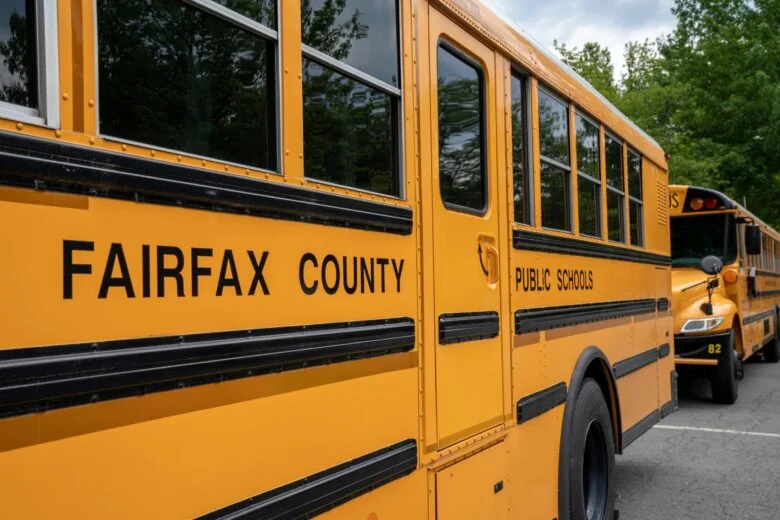
It’s a familiar story in the world of public education: Fairfax County Public School (FCPS) is grappling with budget constraints while attempting to balance the needs of its diverse student population. The latest chapter sees approximately 1,500 younger students left without guaranteed bus transportation this fall—a decision that has sparked outrage among parents and educators alike.
Boundary Changes & Transportation Decisions
The school board’s phase-in policy allows students in their final two grades of elementary, middle, and high schools to choose between going to their new or old school. Yet, when it came down to the nitty-gritty, providing transportation for all affected students was deemed too costly.
Superintendent Michelle Reid proposed a plan that would see only 69 high school students receive free bus rides. This move has left about 1,500 elementary and middle school students without this crucial service, as the cost to transport them all would have been $3.1 million. In contrast, funding just the 69 high school students would set the school district back by only $241,386.
Reid’s recommendation passed with a 7-4 vote, but not without heated debate among board members. “We cannot prioritize our older students to the detriment of our younger students,” At-Large board member Ryan McElveen argued. “These kids need transportation more than our older students.” On the other hand, Board Member Ricardy Anderson countered that the county should focus on prioritizing needs over spending: “Voting to strip transportation to those eligible is damaging to the credibility of this board and this school division.”
Stakes & Budget Constraints
The school district’s school boundary rewrite has affected 1,637 students out of 177,000. The decision to limit bus transportation for younger students underscores the fiscal challenges faced by FCPS. Superintendent Reid highlighted these constraints during her presentation: “Often, many things can be true at the same time.
All of the ideas are outstanding ideas. We just aren’t going to be able to fund all of them.”
While some board members like Hunter Mill District representative Melanie Meren suggested finding additional funding for transportation, others argued that existing budget gaps must be addressed first. “The kids waiting today to know what high school they’re going to—that’s not how I want to do business,” she said. “And it’s unnecessarily stressful.”
Reid acknowledged the complex issues at hand but remained firm in her stance: “We are currently facing a $43 million budget gap between our needs and the projected funding from the state and our Board of Supervisors, and in this climate, we must prioritize.” This statement encapsulates the ongoing struggle many school districts face as they navigate tight budgets while striving to meet the diverse needs of their student populations.
Outcomes & Repercussions
The decision has significant repercussions for both students and parents. Some families will be required to drive younger children to school, which can introduce new inconveniences and financial burdens. “We were outraged,” echoed a group of concerned parents at the meeting. “This is unacceptable.” The potential long-term effects on student attendance and safety are also under scrutiny.
For now, FCPS stands by its decision, emphasizing the need to prioritize limited resources effectively. However, the debate over how best to allocate these resources continues, with many stakeholders questioning whether this approach truly serves the best interests of all students.