
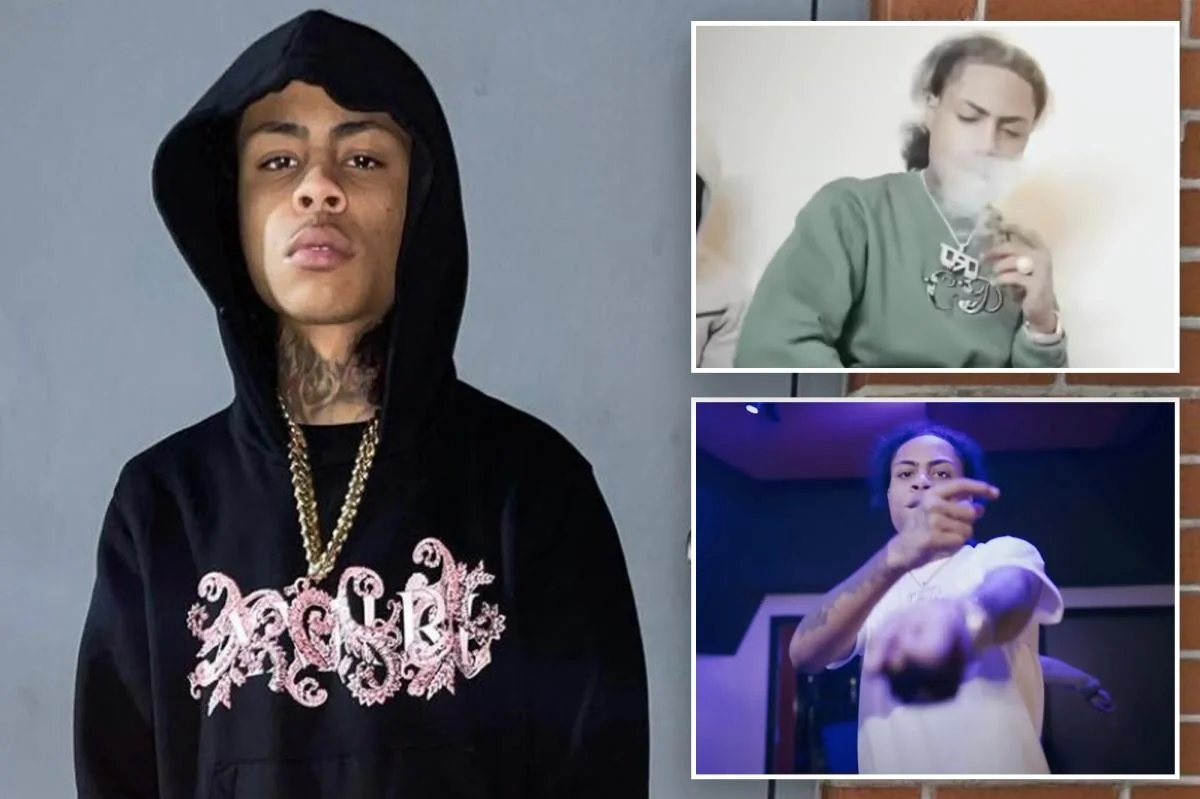
Key Highlights
- Kay Flock, a drill rapper, was convicted of racketeering conspiracy and serious assault charges.
- Flock’s lawyers argued that he could not have been the gang boss due to his “intellectual disability.”
- The prosecution argues that Flock led the gang and managed its activities on the street.
- Prosecutors are seeking a 50-year sentence for Flock, accusing him of instigating gun violence in the Bronx.
A Hip-Hop Artist’s Legal Struggle: Kay Flock’s Conviction and Sentencing Hearing
The case of Kay Flock, the 22-year-old drill rapper whose real name is Kevin Perez, has taken an unexpected turn in Manhattan federal court. In a bid to mitigate his sentence, Flock’s legal team contended that their client was not fit to be the gang boss due to what they termed “intellectual disability.” This argument came during Tuesday’s sentencing hearing for Flock, who faces multiple charges including racketeering conspiracy and serious assault.
Flock’s Defense: Intellectual Disability as a Mitigating Factor
Flock’s legal team made headlines by asserting that their client was not capable of leading the Sev Side / DOA gang. The defense pointed to Flock’s “PSA” hitmaking career, suggesting that he might have been too focused on music and couldn’t manage the gang’s operations. However, the prosecution dismissed this argument as a transparent attempt to evade responsibility.
Prosecution’s Counterarguments: Evidence of Gang Leadership
The prosecution has painted a picture of Flock as an active participant in the gang’s violent activities. According to court records, prosecutors stated that Flock and his fellow gang members engaged in a “campaign of violence” between 2020 and 2022, targeting not just rivals but also innocent civilians. The feds argued that Flock was directly involved in instigating gun violence in the Bronx, which resulted in the death of Hwascar Hernandez.
Legal Implications: Leniency vs. Harsh Sentencing
Flock’s attorneys submitted a plea for leniency, highlighting their client’s purported disability and his role as a relatively minor player within the gang. However, prosecutors have requested a 50-year sentence, emphasizing Flock’s significant involvement in the gang-fueled violence that terrorized the Bronx community. The case highlights the complex legal challenges faced by artists involved in criminal activities.
As Flock awaits his fate, the outcome of this sentencing hearing could set precedents for how intellectual disabilities are considered during legal proceedings involving prominent entertainers. While the exact details and future developments remain to be seen, one thing is clear: Kay Flock’s case has drawn attention to the intersection of hip-hop culture and criminal activity, as well as the nuanced challenges faced by judges when sentencing such high-profile defendants.