
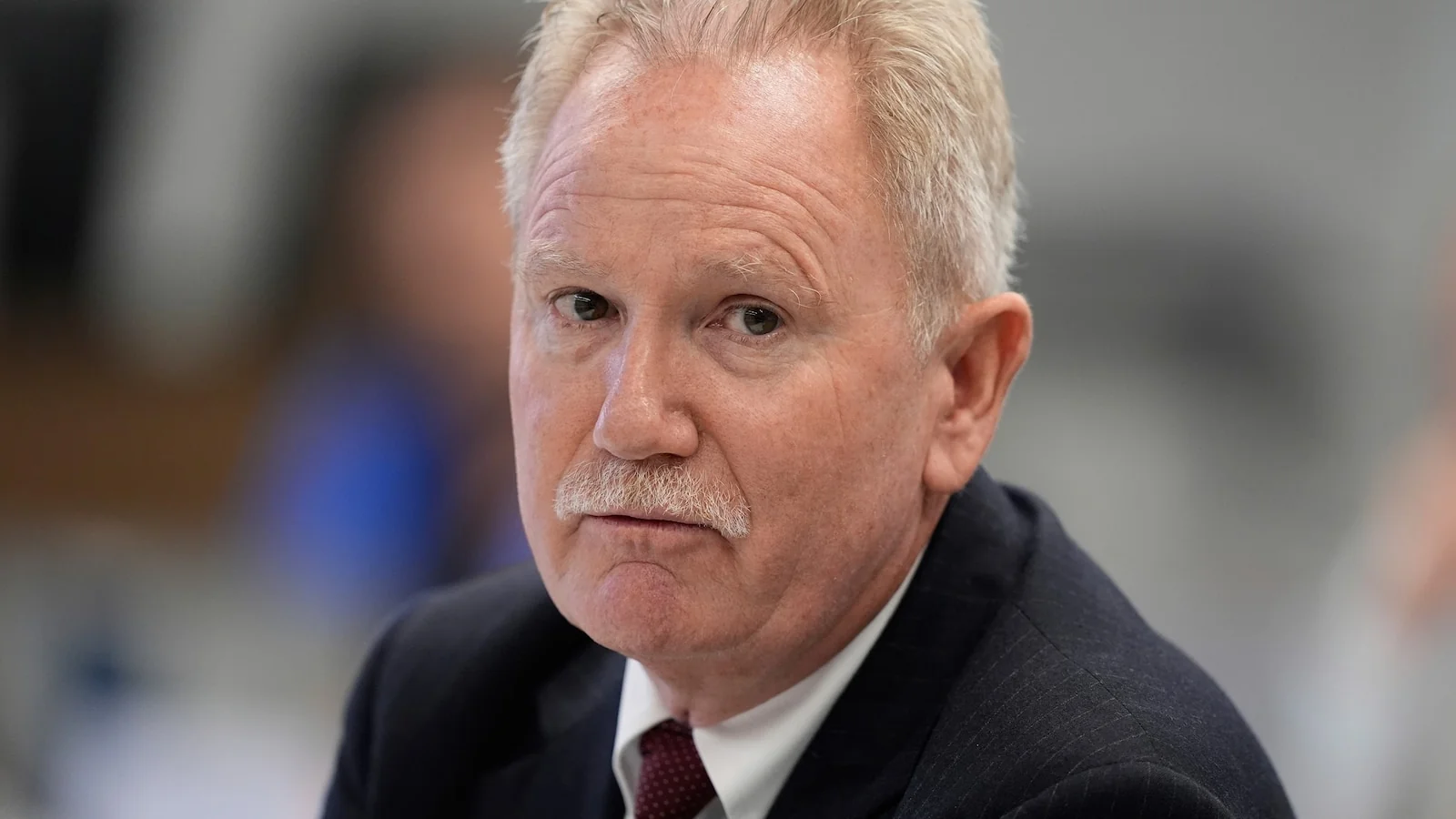
to be mandated for you to go to kindergarten, that these kids have every one of these vaccines that are recommended? That should be individually based.” His comments reflect a growing trend in public health discussions where the emphasis is shifting towards personal choice and individual autonomy.
Health Experts Weigh In
The stance taken by Dr. Milhoan has received criticism from prominent medical organizations and professionals. Dr.
Paul Offit, director of the Vaccine Education Center at Children’s Hospital of Philadelphia, described Milhoan’s views as “frightening.” He argued that the ACIP chair was expressing ideas “directly averse to the health of children in this country.”
Offit highlighted several inaccuracies in Milhoan’s statements, particularly concerning polio. He explained that improved sanitation had actually increased the risk of severe polio cases by delaying exposure to the virus after maternal antibodies wore off. Offit said, “A lot of people don’t know, but what upsets me is that he’s in a position … where he should know it.” Dr. Offit also questioned the need for the MMR (measles, mumps and rubella) vaccine, despite evidence showing its critical importance in preventing serious diseases.
The Debate Continues
Dr. Milhoan’s views have sparked a broader debate about public health policies and individual autonomy. During the interview, Milhoan also discussed his philosophy on individual choice with regard to vaccines.
He gave an example of a parent who chooses not to vaccinate their child against measles, potentially exposing an immunocompromised child to serious risk.
Milhoan stated, “I would say I agree, there are two different things at play here. We don’t take one over the other.” However, he continued, “Let’s just flip that the other way around. What if the child gets a measles vaccine to protect your immunocompromised child and gets a negative consequence from that?
Wasn’t that your child causing that child to be harmed?” This statement underscores the complex ethical considerations involved in balancing individual rights with public health concerns.
The debate over vaccination mandates continues as the CDC grapples with how best to promote public health while respecting individual choice. The outcomes of these discussions will likely have significant implications for future vaccine policies and public health initiatives.