
Key Highlights
- The author received a 5G signal at home after six years of anticipation.
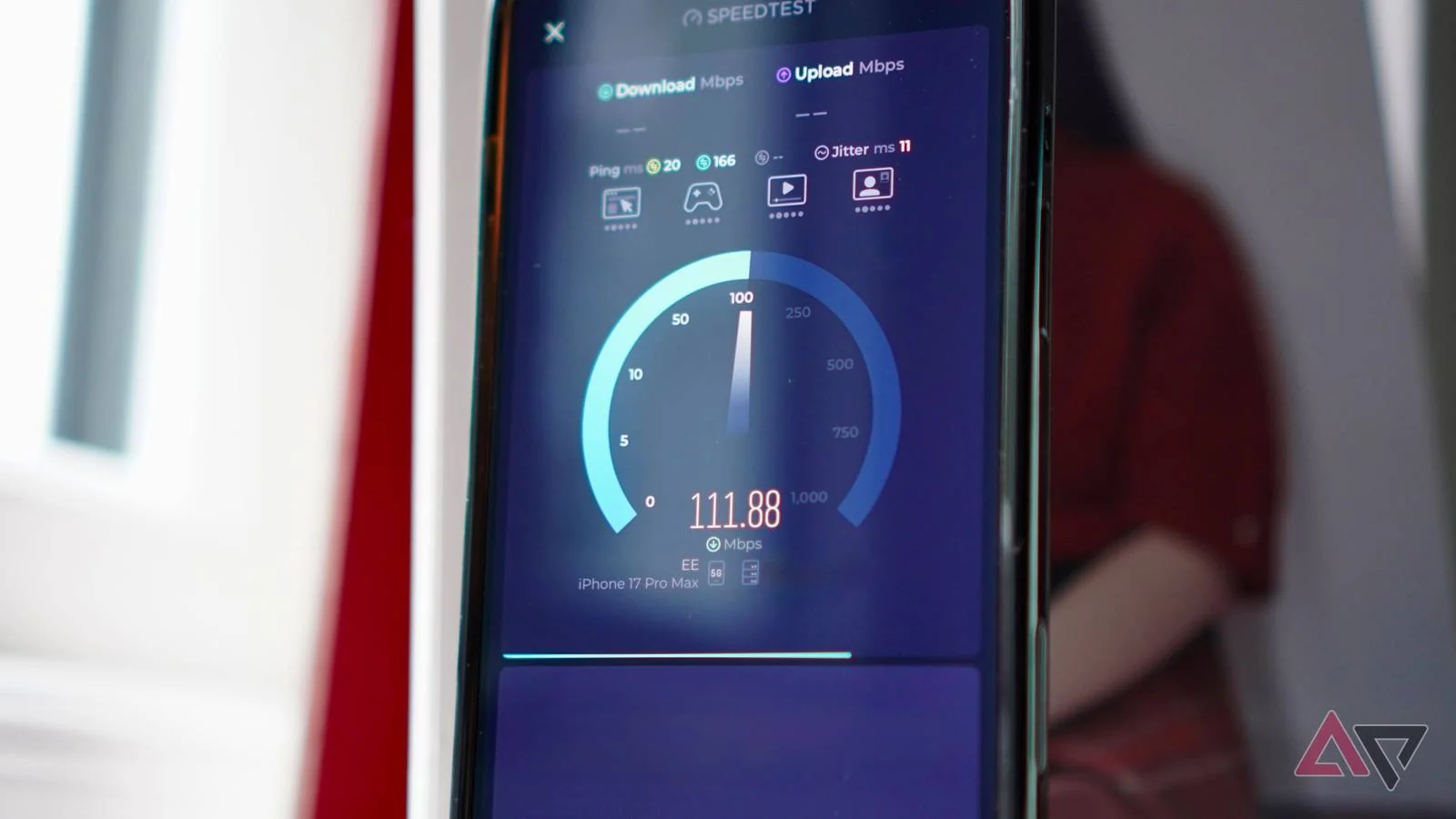
- EE’s upgrade was significantly slower than expected, with download speeds of only 112Mbps and upload speeds of 18.7Mbps compared to previous 4G speeds of 114Mbps and 9.35Mbps.
- The delay in the rollout of 5G is attributed to the removal of Huawei infrastructure and the challenges posed by the pandemic and conspiracy theories.
- Despite slower speeds, the upgrade has improved overall mobile network quality for the author.
A Six-Year Wait for 5G: An Unfulfilled Promise?
The end of October 2025 marked a significant milestone in my personal tech journey. After six years of anticipation, I finally received the elusive 5G signal at home. However, the excitement was quickly tempered by the realization that this upgrade wasn’t quite the revolution I had hoped for.
Rollout and Expectations
The UK’s mobile landscape has seen significant changes since 2019 when 5G first arrived in major cities like London. Despite numerous promises of lightning-fast speeds, lower latency, and a host of other benefits, the reality has been far less glamorous for many users.
EE, the network provider I use, announced improvements to my area just last month, leading to the appearance of the 5G icon on my OnePlus 15 phone. However, the results were underwhelming. Speed tests using Ookla’s Speed Test app revealed download speeds of only 112Mbps and upload speeds of 18.7Mbps, a stark contrast to the impressive 360Mbps and 200Mbps I experienced in 2019 on the OnePlus 7 Pro 5G.
Technical Challenges and Realities
The delay in 5G’s rollout is partly due to the removal of Huawei infrastructure from the UK’s mobile network, a task that required an investment of £500 million ($670,500,000) between 2019 and 2024. This massive undertaking coincided with the height of the COVID-19 pandemic, making it difficult to get workers on-site for installations.
Moreover, conspiracy theories around 5G and its alleged role in the spread of the virus added another layer of complexity. Sites were set on fire, and engineers faced attacks on the street, causing further delays. These factors contributed to the slower-than-expected progress of 5G in semi-rural areas like mine.
Comparing 4G and 5G
To put things into perspective, I conducted speed tests using both my OnePlus 15 on 5G and an Apple iPhone 17 Pro Max. The results were not as dramatic as hoped. While the OnePlus 15 showed download speeds of 112Mbps and upload speeds of 18.7Mbps, switching to 4G brought me close to similar performance with a download speed of 114Mbps and an upload speed of 9.35Mbps.
Latency was the one area where there was some improvement.
The OnePlus 15 saw idle pings of 26ms on 5G, compared to 25ms on 4G, with download and upload pings seeing similar gains. However, these improvements were not enough to justify the hype around 5G’s lower latency and faster speeds.
Conclusion
A Bittersweet Victory
The arrival of 5G in my semi-rural home has been a mixed bag. While the speed tests did not deliver on the promised lightning-fast performance, the overall upgrade to the network has improved my mobile experience. I now have three bars of reception, and calls and data are more reliable than ever before.
As we look forward to 6G, the lessons learned from this six-year journey highlight the challenges of rolling out advanced technologies in complex environments. For now, I remain cautiously optimistic about what the future holds for mobile technology.
5G Follow
Like Share