
Key Highlights
- Karoline Leavitt’s lip appearance in a Christopher Anderson photo sparks discussion on conservative women’s aesthetic choices.
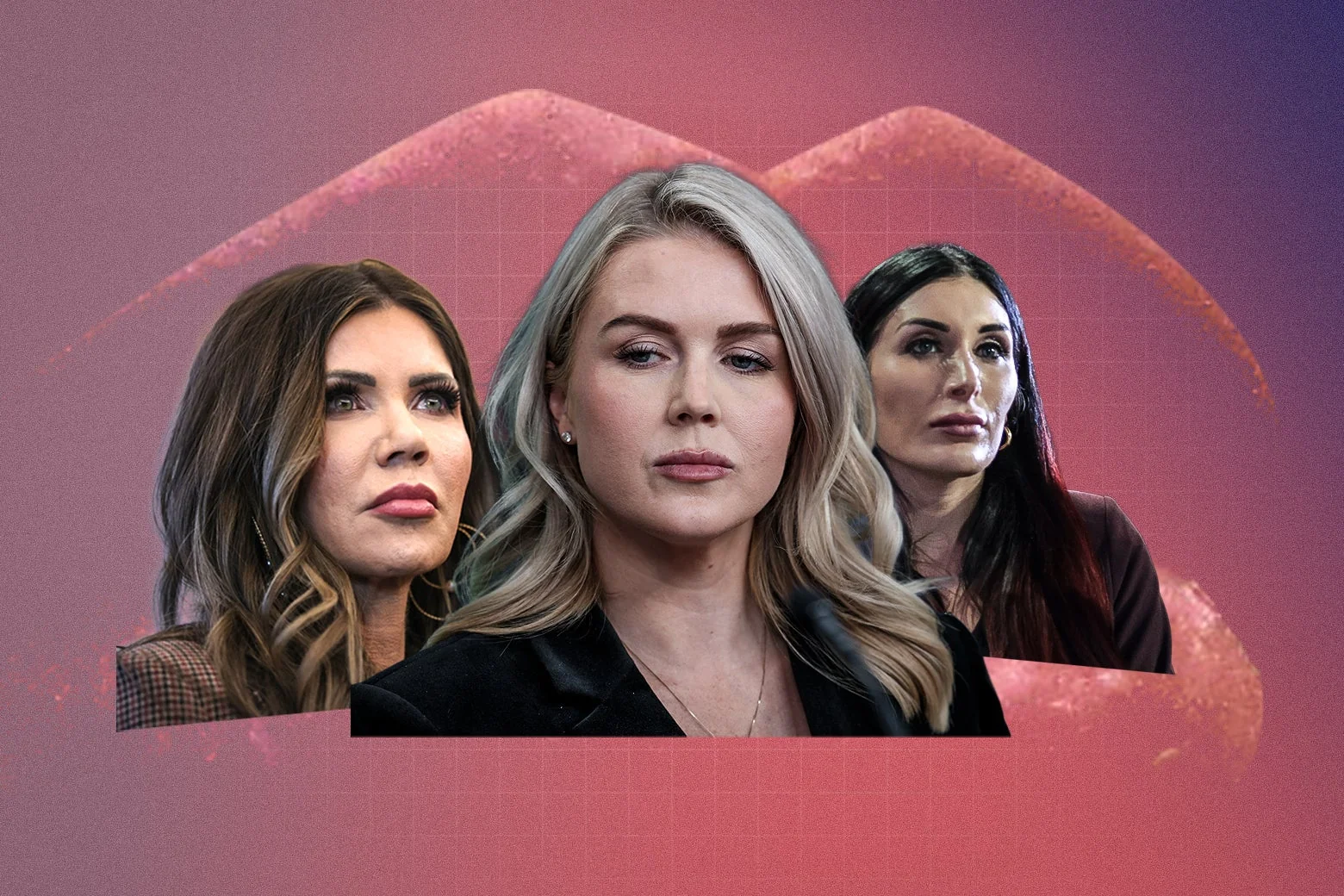
- Experts suggest the image reveals an “aesthetics of capitulation” and reflects broader political trends related to gender norms.
- The case of Leavitt and others highlights how cosmetic procedures are becoming normalized among certain political circles.
- Aesthetic pressure in conservative politics is seen as a way to signal conformity to traditional gender roles during times when such norms are perceived to be under threat.
Unveiling the Aesthetics of Political Compliance: Karoline Leavitt’s Case
In an era where appearance and image have taken on new significance, the photograph of Karoline Leavitt, the White House press secretary, has become a focal point for discussions about political aesthetics. Captured by Christopher Anderson for Vanity Fair’s story on “Trump 2.0,” Leavitt’s lips, marred with visible injection marks and glossy lip gloss, have sparked debates not only in the realm of beauty standards but also within the context of conservative politics.
The Mysterious Case of Leavitt’s Lip Filler
Dr. Kristy Hamilton, a board-certified plastic surgeon and social media chair of the American Society of Plastic Surgeons, examined the image closely. She suggested that the puncture marks likely indicate that the photograph was taken “almost immediately post-injection,” but the lack of swelling typical in new fillers raises questions about Leavitt’s appearance on the day of the shoot.
“It appears to be injection marks,” Dr. Hamilton observed, “but new filler usually causes more swelling.” She pointed out that even using a more opaque lipstick would have helped conceal these punctures. The visible vertical lip lines also don’t align with fresh filler, adding to the mystery of Leavitt’s appearance on the day of the shoot.
A Sign of Compliance or Rebellion?
According to political scientist Caroline Heldman, the case of Leavitt and other women in conservative politics reflects a broader trend: “You are communicating to the world that you are not just capitulating but embracing these ideas of femininity that have very conservative roots.” This aesthetic pressure, Heldman argues, is a form of self-regulation aimed at conforming to traditional gender norms.
“The extreme cosmetic surgery currently animating the right-wing’s aesthetic plays a different role,” she elaborates. “It’s about controlling women’s bodies and putting a lot of pressure on women to perform femininity in a very specific, narrow, traditionally gendered way.”
The Broader Context: Aesthetic Norms and Political Pressure
While the photo of Leavitt is an extreme example, it highlights a trend where cosmetic procedures are becoming normalized among conservative political figures. Dr. Hamilton notes that aesthetic preferences can be influenced by group dynamics, leading to what she calls “an echo chamber in terms of a certain aesthetic.” This pressure extends beyond purely physical appearance and into broader cultural norms.
For example, in the context of the Mormon church, the emphasis on marriage and motherhood could contribute to the high demand for cosmetic procedures.
Utah, with its second-highest number of plastic surgeons per capita after Miami, offers a stark reflection of this dynamic. The desire for physical perfection is deeply intertwined with social success, as seen in shows like The Secret Lives of Mormon Wives, where beauty work is linked to professional success and social status.
Conclusion
The Power of Aesthetic Choices
The photograph of Karoline Leavitt serves not only as a reflection of individual compliance but also as a broader commentary on the political landscape. It underscores the idea that in an era where political correctness is under threat, women are being asked to embrace aesthetic choices that align with traditional gender norms. This phenomenon raises questions about bodily autonomy and the extent to which personal choices can be influenced by political pressures.
As political figures like Leavitt navigate these challenges, their appearance becomes a microcosm of larger cultural debates around identity, conformity, and the intersection of beauty standards with political power. The image of Leavitt’s lips, marred with puncture marks and gloss, thus serves as a powerful illustration of the complex interplay between aesthetics and politics in contemporary society.