
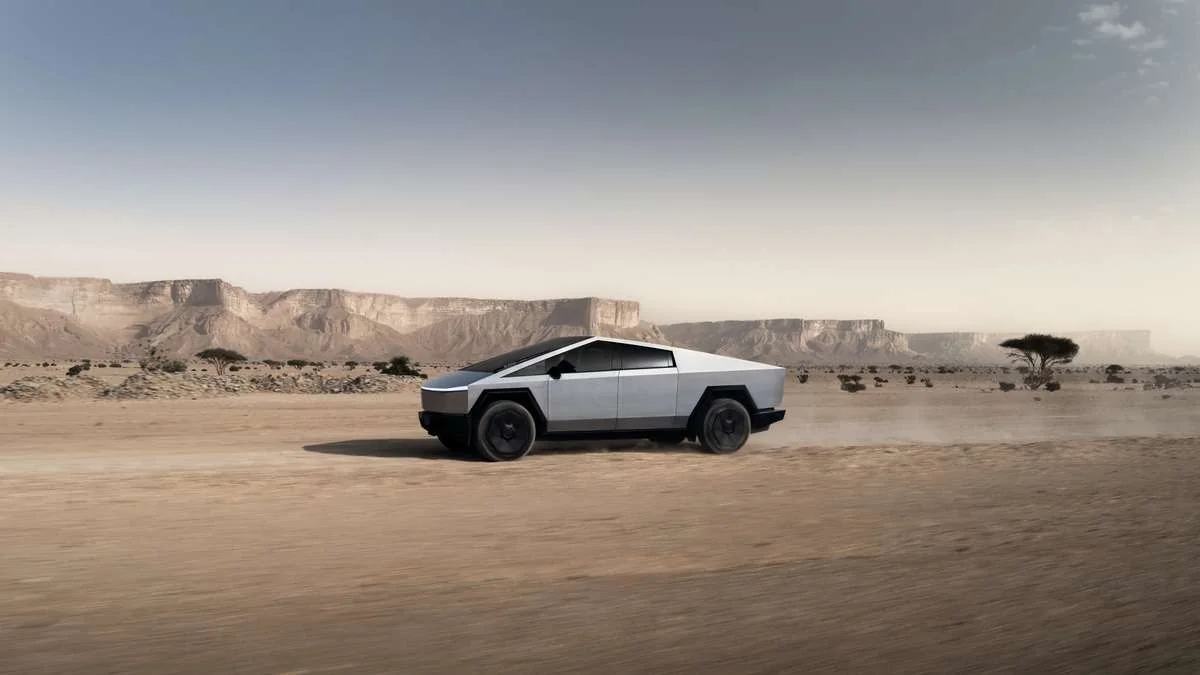
Key Highlights
- David Shin completed approximately 13,000 miles across 10 states and two Canadian provinces.
- The trip covered April 3 through August 8, 2026 on the Charge Stats screenshots provided.
- Total charging cost was $0 due to free Supercharging credits applied by Tesla.
- FSD usage reached 98.0% across a tracked period of 16,322 miles total in some screens.
You might think this is new behavior for an electric vehicle on the open road, but it has been around much longer than you realize if your mileage isn’t what I’m saying. The Tesla Charge Stats screenshots he shared cover April 3 through August 8, 2026.
David Shin used 88 Superchargers and paid $0 for 6,097 kWh of electricity during that specific audit window.
The Zero-Cost Reality
$0 Charging Result Was Real, but it was also highly personal to his account setup. Approximately 97% of the energy added came from Superchargers while only about fifteen hundred kWh came from other sources during that period.
The app estimated Shin saved $2,737 compared with its gasoline-equivalent calculation before he rounded his savings down.
$0 Charging Result Was Real, but it was also highly personal to his account setup. Approximately 97% of the energy added came from Superchargers while only about fifteen hundred kWh came from other sources during that period.
Camping as a Power Plant
The Cybertruck Became His Campsite’s Electrical System, turning vehicle utility into something broader than just transportation. During 17 camping nights, Shin said the campsite equipment consumed approximately 10% to 15% of his battery.
That is a specific number that changes how you calculate range when planning remote travel without electrical hookups nearby.
FSD Performance vs Trip Distance
The 98% FSD Number Needs Careful Reading, because the source material does not establish that both screens use the same date range or mileage definition exactly. His separate Self-Driving Stats screenshot displays 98.0%, with FSD engaged for 16,006 of 16,322 tracked miles.
The responsible interpretation is therefore that Shin’s Tesla app showed 98% FSD use across a 16,322-mile tracked period rather than exactly the trip distance claimed in other metrics.
Sustainable Driving Strategies
His Most Useful Range Setting Was 60%, Not 0%, which is unusually conservative for an ordinary highway stop. He adjusted his plan to arrive with approximately 60% battery remaining before he arrived at the final destination of each day.
Takeaways
- FSD engagement tracked miles exceed rounded trip figure by thousands depending on definition used.
- Camping power consumption removes reserve needed to leave campsite for return leg later that same night.
- Free Supercharging benefit is the least transferable part of Shin’s experience across different vehicles or accounts today.
The network access, charging reliability, onboard power and route-planning methods can be repeated by other owners without needing a specific account setup to charge for free.
We are seeing more people treat these trucks as mobile homes rather than simple tools for getting from point A to B quickly every week or month instead of years at home now.