
Key Highlights
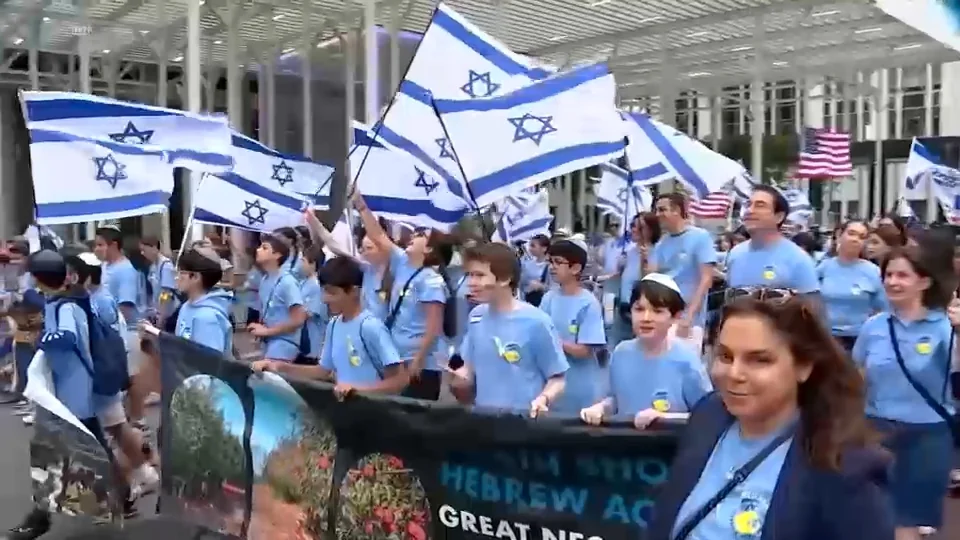
- The Israel Day Parade will take place in New York City on Sunday.
- New York Mayor Zohran Mamdani is boycotting the event for the first time since 1965.
- Prior to Mamdani, Eric Adams participated in the parade.
- Police Commissioner Jessica Tisch, who is Jewish, will also participate despite the boycott.
The Politics of Participation
Sunday marks the annual Israel Day Parade, a tradition that has been part of New York City’s social calendar for decades. This year, however, the event is set to stir some controversy as Mayor Zohran Mamdani, in a move that has caught many by surprise, chooses not to march with the crowd.
Mayor Mamdani’s decision comes after his predecessor, Eric Adams, had been a consistent participant over the years. Adams’ attendance was seen as a nod to New York City’s diverse population and its commitment to supporting Israel. His absence signals a potential shift in political dynamics, one that may be scrutinized by both critics and supporters alike.
A Show of Support
Despite the Mayor’s boycott, some key figures are still expected to participate in the parade. Notably, Police Commissioner Jessica Tisch, who is Jewish, will walk alongside other community members. Her involvement serves as a reminder that while political leaders may take controversial stances, personal convictions and communal ties often find ways of manifesting.
Commissioner Tisch’s participation underscores the complex nature of such events in a city with a diverse range of viewpoints. It also highlights how individual actions can sometimes serve to bridge gaps between different segments of society.
The Impact on Security
Mamdani’s decision not to march is particularly significant as it marks the first time since 1965 that a sitting mayor has chosen to boycott the parade. While Mamdani promised not to give security short shrift, his absence could still raise questions about the city’s commitment to supporting Israel and its handling of events with potential political undertones.
The Mayor’s move is likely to be seen as an attempt to navigate a delicate political landscape, balancing support for the Jewish community and maintaining a stance that might resonate more broadly within New York City. His decision could also influence how future mayors approach similar events, potentially setting a precedent for future parades and demonstrations.
You might think this is new, but… the Israel Day Parade has always been about more than just marching in the streets. It’s about community, solidarity, and navigating the complex web of politics and personal beliefs.