
Key Highlights
- The LDS Church emphasizes the importance of pluralism in a special lesson commemorating the 250th anniversary of the Declaration of Independence.
- Latter-day Saint leaders like President Dallin H. Oaks and apostles Quentin L. Cook and D. Todd Christofferson reinforce the need for compromise on divisive issues.
- The lesson plan emphasizes the Constitution as an inspired but imperfect document, promoting moral agency and religious freedom.
- Experts agree that this message is timely amid growing political extremism and congressional dysfunction.
A Lesson in Pluralism Amidst Political Turmoil
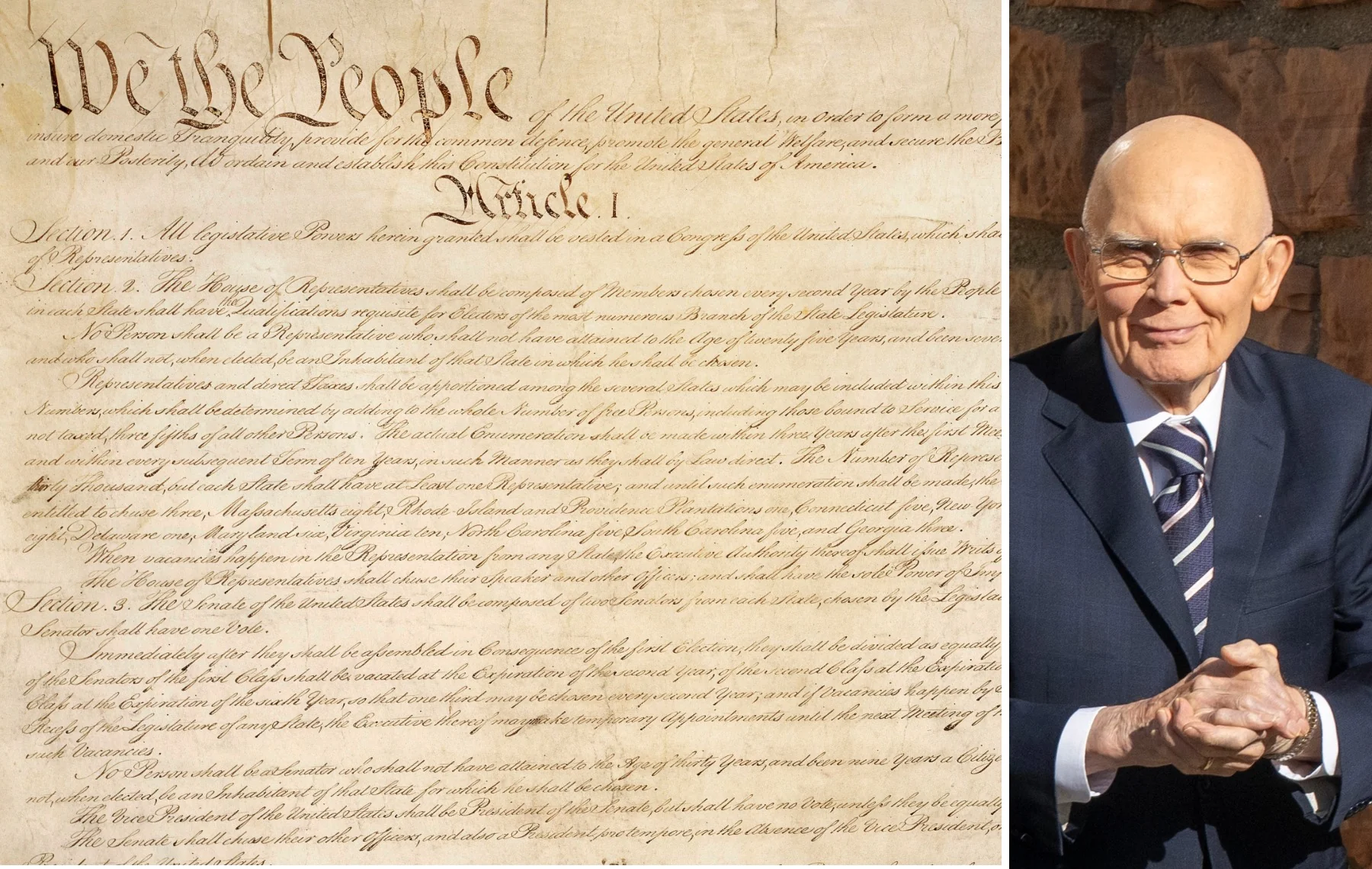
The LDS Church has doubled down on its commitment to pluralism, a stance increasingly at odds with some sectors of American Christianity. This week, as Latter-day Saints across the country gather for their Sunday school lessons, the focus will be on celebrating the founding of the United States and the U.S. Constitution.
President Dallin H. Oaks’ Vision
“Not always,” President Dallin H. Oaks often says, echoing his frequent calls for compromise on volatile public issues. This Sunday’s lesson, titled “Celebrating the Founding of the United States and the U.S. Constitution,” is not a history lesson or a political discussion; it is an opportunity to rejoice in the Lord’s work, according to the outline.
A Call for Moderation
“The most fundamental thing that the Constitution does is it creates a system of government that shows us how to work together even when we disagree,” says Thomas Griffith, a retired federal judge. The lesson plan, which draws heavily from Oaks’ sermons on the need for compromise and avoiding political polarization, aims to bridge divides.
Emphasizing Moral Agency
The Constitution, according to the LDS Church, is not perfect but inspired. This message is underscored by quotes from Joseph Smith himself, who emphasized moral agency: “I am just as ready to die in defending the rights of a Presbyterian, a Baptist or a good man of any other denomination,” he stated.
Supporting Pluralism
Apostles Quentin L. Cook and D. Todd Christofferson emphasize that pluralism is America’s “superpower.” Their recorded conversation in the lesson plan highlights Smith’s inclusive vision, stating, “We should walk shoulder to shoulder along the path of religious freedom for all, while still exercising that freedom to pursue our distinctive beliefs.”
A Timely Message
“Even within the church, many find it hard to look at anything except through a highly politicized and therefore highly divided lens,” says Katrina Lantos Swett, a human rights advocate. She agrees with Griffith that this message is timely amid growing political extremism and congressional dysfunction.
You might think this is new, but President Dallin H. Oaks has been touting the U.S.
Constitution for years. The lesson plan is part of an ongoing effort to promote unity in a polarized world. As Americans work together, pluralism becomes their nation’s superpower.