
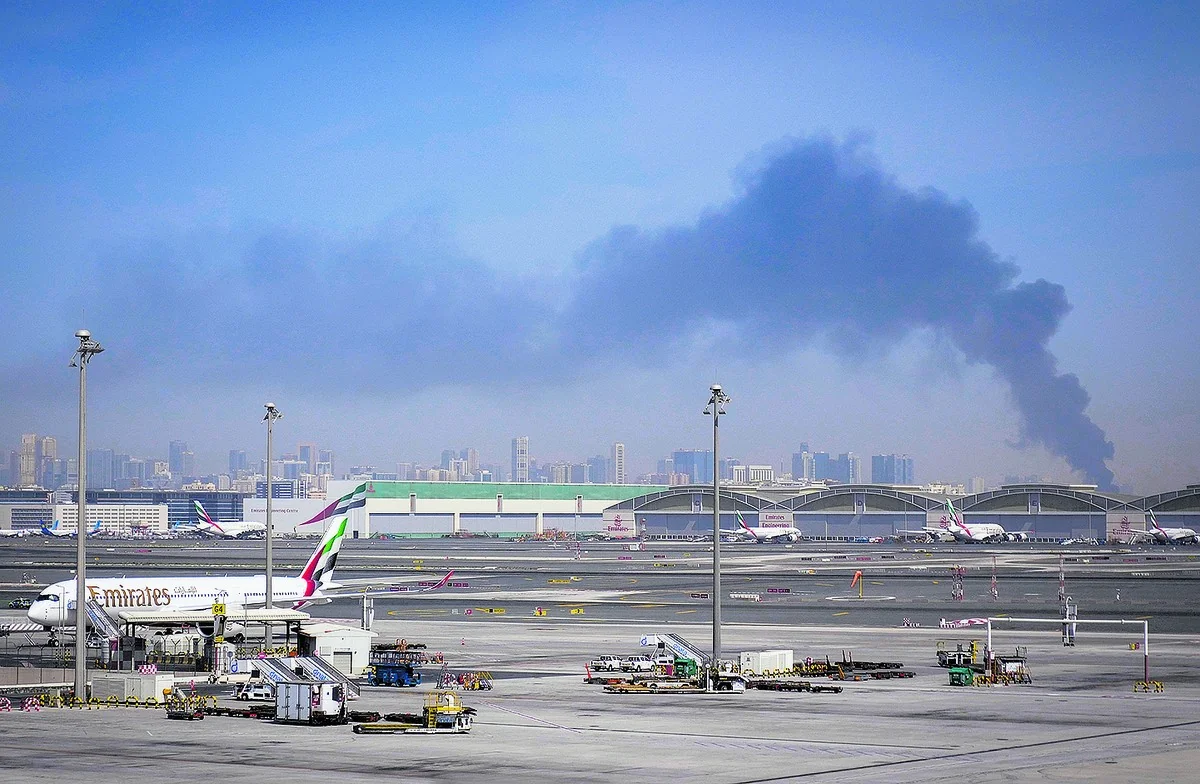
- Airlines globally cancel flights due to conflict in the Middle East following U.S.-Israel attacks on Iran.
- Dozens of major airlines suspend operations in key regions including Dubai, Doha, and Abu Dhabi.
- Passenger disruptions affect millions worldwide as airspace closures extend for multiple days.
The Sky’s the Limit: Airlines Face Turbulence
It’s been a tumultuous start to March 2026. The skies over the Middle East are no longer friendly, with major airlines scrambling to adjust their schedules in response to ongoing conflicts and airspace closures.
Regional Airspace Closures
The most notable impact has been felt in Dubai, Doha, and Abu Dhabi, hubs for numerous international flights. Airlines like AEGEAN AIRLINES, Air France KLM, and British Airways have all suspended operations to these critical destinations until at least early March.
Global Airlines Join the Cancellation List
The ripple effect extends far beyond the Middle East. Asian giants such as Cathay Pacific Airways and Japan Airlines have canceled flights to Dubai and Doha respectively, while European powerhouses like Lufthansa and Turkish Airlines are also pulling back.
Passenger Disruption on a Massive Scale
The numbers tell a story of significant disruption. Passengers around the world are facing cancellations and delays as airlines navigate through this volatile period in geopolitics. The ripple effect is clear: tens of thousands of travelers have been left stranded, with hundreds of flights canceled daily.
Corporate Adjustments to Stay Afloat
Airlines are making major adjustments. British Airways, for instance, is offering free date changes for affected passengers until the end of March. Meanwhile, Lufthansa has extended its suspension across multiple destinations well into early spring.
The Broader Economic Impact
This isn’t just about flights; it’s a broader economic issue affecting trade and travel. The Middle East is a vital link in global commerce, and any disruption here can have far-reaching consequences. Airlines are not only managing the immediate crisis but also planning for recovery as peace negotiations unfold.
For now, the skies remain uncertain.
As we wait to see how this unfolds, one thing is clear: the business of flying will continue to be a challenging landscape, much like the geopolitical climate it operates in.
You might think this is new, but… it’s been a regular part of air travel for decades. Airlines are built to weather storms, both literal and metaphorical. But the question remains: can they do so without significant financial strain?