
Key Highlights
- The United States and Israel intensified their attacks on Iran after killing Supreme Leader Ali Khamenei.
- Iran retaliated by targeting Israel and Gulf states, resulting in casualties and widespread disruptions.
- Iran’s top security official Ali Larijani vowed not to negotiate with the U.S., rejecting Trump’s calls for talks.
- The conflict has led to heightened global concerns, with China and other nations urging de-escalation.
The Intensifying Iran Conflict: A Global Concern
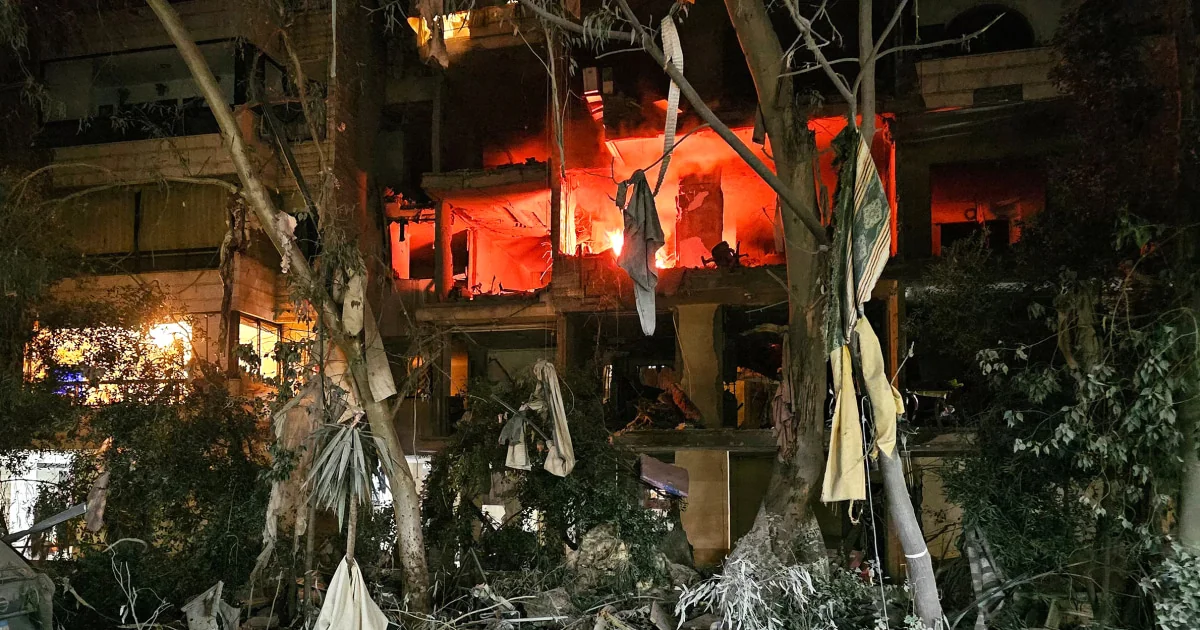
Iran’s response to the killing of Supreme Leader Ali Khamenei is a stark reminder that the situation in the Middle East is far from stable. The United States and Israel have intensified their military operations, targeting thousands of Iranian infrastructure across the country. Tehran has vowed not to negotiate with Washington, despite Trump’s insistence on dialogue.
The conflict has already caused significant disruption.
Iran’s Red Crescent reported over 550 casualties from U.S.-Israeli strikes, affecting more than 130 cities. The price of oil has surged as global markets grapple with the potential impact of this ongoing war. Countries are scrambling to evacuate their citizens from Gulf states under attack.
Iran’s Counter-Attacks and Global Fallout
Iran’s top security official, Ali Larijani, declared that his country will not negotiate with the United States. This stance comes in response to Trump’s earlier statement that Iranian officials are interested in talks. Larijani’s position is backed by Iran’s military capabilities and readiness for further attacks.
He emphasized that despite the onslaught, Iran remains stable and has not faced any security problems. Larijani also dismissed President Trump’s claims about the potential replacement of Khamenei, stating it is a form of propaganda.
Global Response and Evacuation Efforts
The global community is closely watching this conflict. China, which has close ties to Iran, expressed deep concern over the escalation. Chinese Foreign Minister Wang Yi criticized the killing of Khamenei as unacceptable and called for an end to military actions in the region.
In a separate development, several U.S. service members were killed during a military operation in Kuwait. The United Kingdom also defended its decision to allow American forces to use British air bases, despite a recent Iranian drone strike on a Royal Air Force base in Cyprus.
Iranian Strikes and Evacuation Plans
Iran launched missile strikes at Israel as part of its retaliation against U.S.-Israeli attacks. These strikes have caused significant damage, including the death of three U.S. service members in Kuwait. Iran’s military operations are expected to continue for several days.
Millions of Iranians are also without internet access due to the conflict, highlighting the far-reaching impacts on civilian life. As the situation unfolds, countries are working to evacuate their citizens from affected areas and ensure their safety.