
Key Highlights
- Pentagon chief Pete Hegseth eliminates Senior Service College fellowship programs for certain top universities starting 2026-2027.
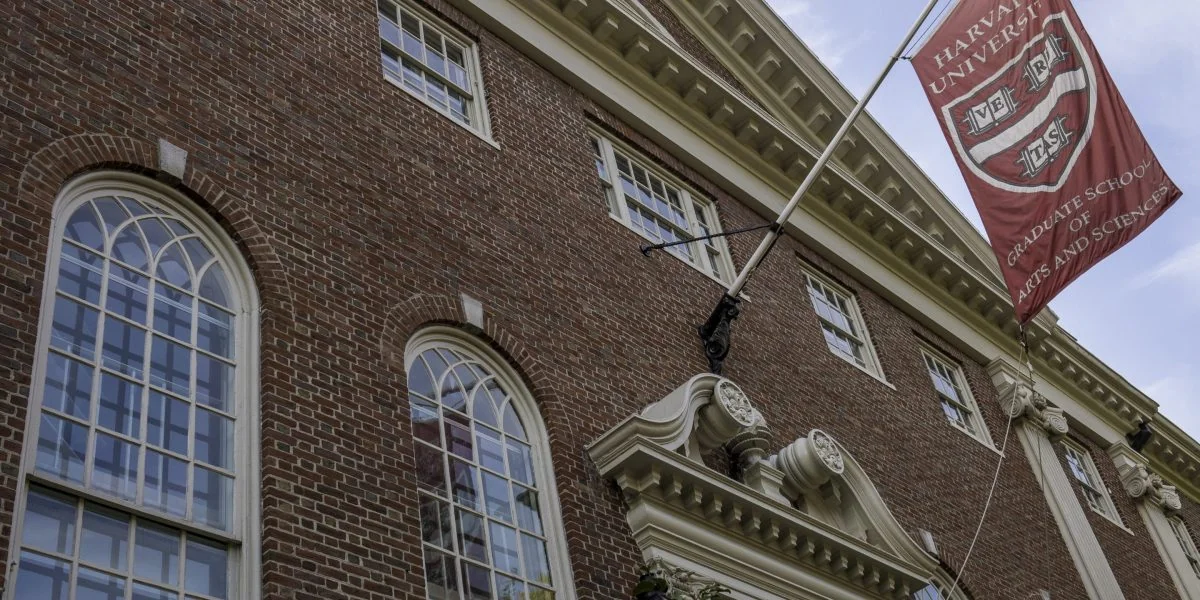
- The ban includes Harvard, MIT, Yale, Columbia, Brown, Princeton, Carnegie Mellon, and Johns Hopkins SAIS.
- Hegseth’s memo emphasizes the need for “strategic thinkers” grounded in American ideals and warfighting capabilities.
- New partnerships include Liberty University, George Mason University, Pepperdine, among others.
The Pentagon’s Shift: A Cynical View on Military Education Reforms
Defense Secretary Pete Hegseth is shaking up the status quo with his memo on professional military education institutions. You might think this is new, but… it’s not. This move comes as part of a broader ideological battle within the defense establishment.
A Critique of Liberal Universities
According to Hegseth’s video statement, “The Ivy League and similar institutions have gorged themselves on a trust fund of American taxpayer dollars, only to become factories of anti-American resentment and military disdain.” This rhetoric is dripping with cynicism, painting these prestigious schools as breeding grounds for dissent against the very nation that funds them. But let’s be clear—this isn’t about merit-based scholarships or academic freedom; it’s about ideological control.
Realities of Military Partnerships
Despite his accusations, some of the canceled institutions have been key partners in military innovation. For instance, Carnegie Mellon University houses the Army’s Artificial Intelligence Integration Center, a hub for AI research vital to modern warfare. The Space Force has also partnered with Johns Hopkins SAIS for officer education.
Hegseth’s directive could severely impact these ongoing collaborations.
But wait, there’s more. The Pentagon is cutting off Anthropic as an AI provider while expanding ties with OpenAI and xAI. This move is part of a larger strategy to align military technology with corporate interests, not academic ones.
New Partnerships: A Step Back?
Hegseth’s memo lists new potential partners like Liberty University, George Mason, and Pepperdine. These schools are known for their conservative leanings, suggesting that the Pentagon is moving towards a more ideological homogeneity in its officer corps.
So, why the sudden change? Is it about values or practicality?
Hegseth’s words might be clear, but his actions speak volumes. By limiting access to top-tier education, he’s restricting the diversity of thought and expertise that could otherwise challenge the status quo.
In conclusion, this move is a stark reminder of the political battles within the military-industrial complex. It’s not about improving education; it’s about reinforcing an ideological narrative. You might see this as a necessary step towards stronger national values, but to many, it’s just another chapter in the ongoing saga of censorship and control.