
Key Highlights
- Pennsylvania allocates $100M for public EV charger installation in communities.
- The new round of funding builds on existing NEVI projects and expands coverage to towns and cities.
- Initial regions include southeastern Pennsylvania, with $34M available for projects.
- Projects are decided by local transportation planning agencies based on publicly accessible locations.
The Big Picture: EV Charging in Pennsylvania
Pennsylvania is taking a significant step to bolster its electric vehicle (EV) infrastructure with the announcement of $100 million in federal funding. This move underscores the state’s commitment to supporting sustainable transportation and aligns with broader national initiatives aimed at expanding public charging options.
A Focus on Communities
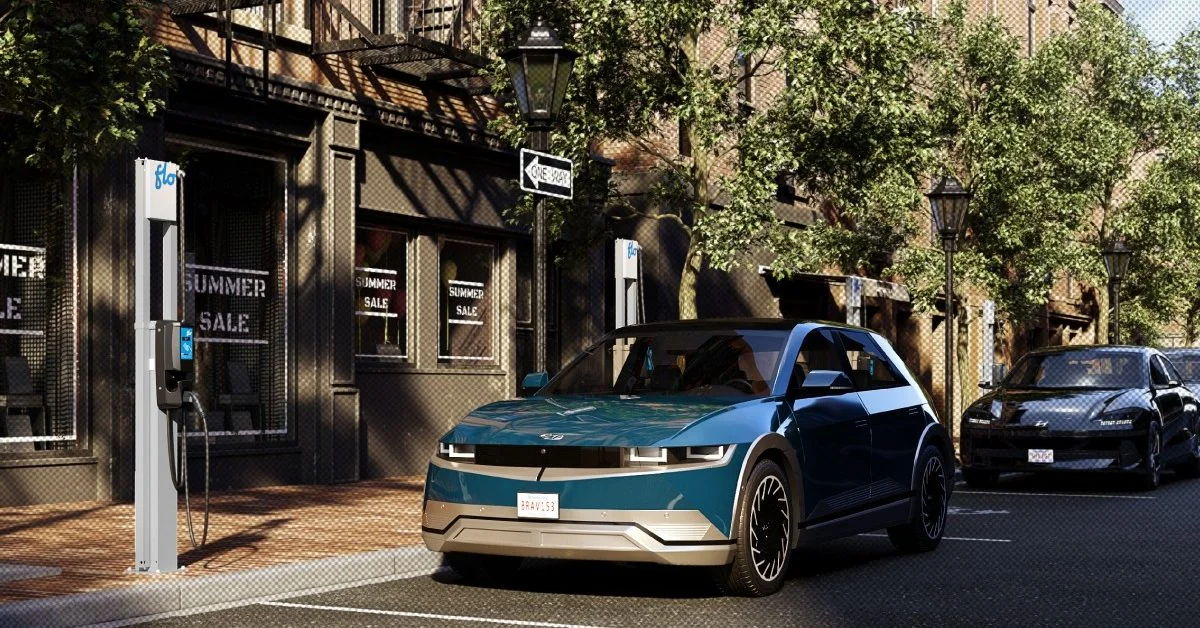
Unlike previous rounds that focused primarily on highways, this new phase of the National Electric Vehicle Infrastructure (NEVI) program will target communities. The funding aims to bring chargers into towns and cities across the state, ensuring a more equitable distribution of EV charging options.
Regional Breakdown
The initial rollout is set for southeastern Pennsylvania, which includes Bucks, Chester, Delaware, Montgomery, and Philadelphia counties. An estimated $34 million will be made available in this first region alone. Local transportation planning agencies will decide on the specific sites that receive priority, but any publicly accessible location within these counties can apply.
Planning and Engagement
To ensure a smooth application process, PennDOT has released a survey for businesses, property owners, and organizations to connect with charging developers and operators. This engagement phase is crucial in identifying potential locations that can effectively accommodate EV chargers while meeting the needs of local residents and visitors.
Building on Past Success
The new funding builds upon $54 million already committed through previous NEVI projects. So far, Pennsylvania has 29 federally funded stations either built or under construction, costing about $17 million. Another 54 stations are in planning or construction phases. These early successes have supported over 80,000 charging sessions and enabled an estimated 9.6 million miles of driving, with more than 2,000 metric tons of carbon dioxide emissions cut.
A Ongoing Federal Funding Battle
While Pennsylvania is making progress, the expansion faces challenges due to ongoing legal battles over federal NEVI funding. The US Department of Transportation is currently withholding congressionally approved funds, causing delays and disruptions. Governor Josh Shapiro (D-PA) has sued the Trump administration over this issue, arguing that the funding freeze is unlawful.
The state was also part of a multistate lawsuit last summer that successfully forced the federal government to reinstate the NEVI program, allowing projects like these to move forward.
Despite these legal hurdles, Pennsylvania remains committed to its aggressive timeline for expanding EV charging infrastructure.
The expansion into communities is crucial as it addresses the gap in coverage and brings chargers closer to where people live and work. This phase of the NEVI program not only reflects real usage but also sets a precedent for how states can leverage federal funding to promote sustainable transportation solutions.
Stay tuned for more updates on regional funding rounds, which are scheduled for later this year. Western Pennsylvania is set for April to May 2026, while eastern and central regions will follow between August and September 2026.
Separately, PennDOT is preparing to announce awards from a different NEVI funding round focused on highway corridors.
The ongoing legal battles over federal funding underscore the complexity of implementing large-scale infrastructure projects in today’s political climate. However, Pennsylvania’s commitment to moving forward despite these challenges signals its dedication to shaping a more sustainable future for transportation.