
Key Highlights
- The trend of “Chinamaxxing” has gained traction among Western TikTok users in January 2026.
- Sherry Zhu’s viral video sparked the movement, highlighting everyday Chinese habits like drinking hot water and wearing house slippers.
- Critics argue that surface-level adoption of cultural elements can be insensitive to those who have faced discrimination.
- The trend has sparked debates on cultural appreciation versus superficial fascination.
Chinamaxxing: The New TikTok Fad
You might think this is new, but…
In January 2026, a playful trend called “Chinamaxxing” exploded on social media. Sherry Zhu, a 23-year-old Chinese American creator, posted a video on TikTok, joking that people were turning into “Chinese baddies.” The clip quickly went viral, gathering over half a million likes and nearly three million views.
The concept of “Chinamaxxing” revolves around embracing everyday Chinese habits. For instance, users share their routines like having congee for breakfast or drinking hot water, transforming their lives into what they perceive as “more Chinese.”
Sherry Zhu: The Trend’s Spark
In her viral video, Sherry Zhu joked, “I’m here to tell you that the minute you turn Chinese, you’re coming with us to hotpot.” She added, “I tell you to drink your hot water, I tell you to wear the house slippers, this is part of the culture.”
Sherry’s parents are from China. In an interview with a Chinese state news outlet, CGTN, she shared her thoughts: “I recognised from an early age that it brought a lot of benefits to my life. I definitely want to share that.”
Critics Weigh In
The trend has drawn both praise and criticism. Some analysts argue that greater visibility is better than nothing in fostering cultural awareness. Others caution against surface-level adoption, warning it can misappropriate an identity.
“Drink the tea or whatever, but claiming to be ‘Chinese’ for doing it is insensitive to those who have suffered for being Chinese and doing the exact same thing,” wrote a user named chloedyhe on TikTok. Another user, Vivien Wang from Australia, shared her complex feelings: “Growing up as a second-culture kid in a predominantly Western environment, it’s very easy to develop internalised racism.”
Global Reach and Impact
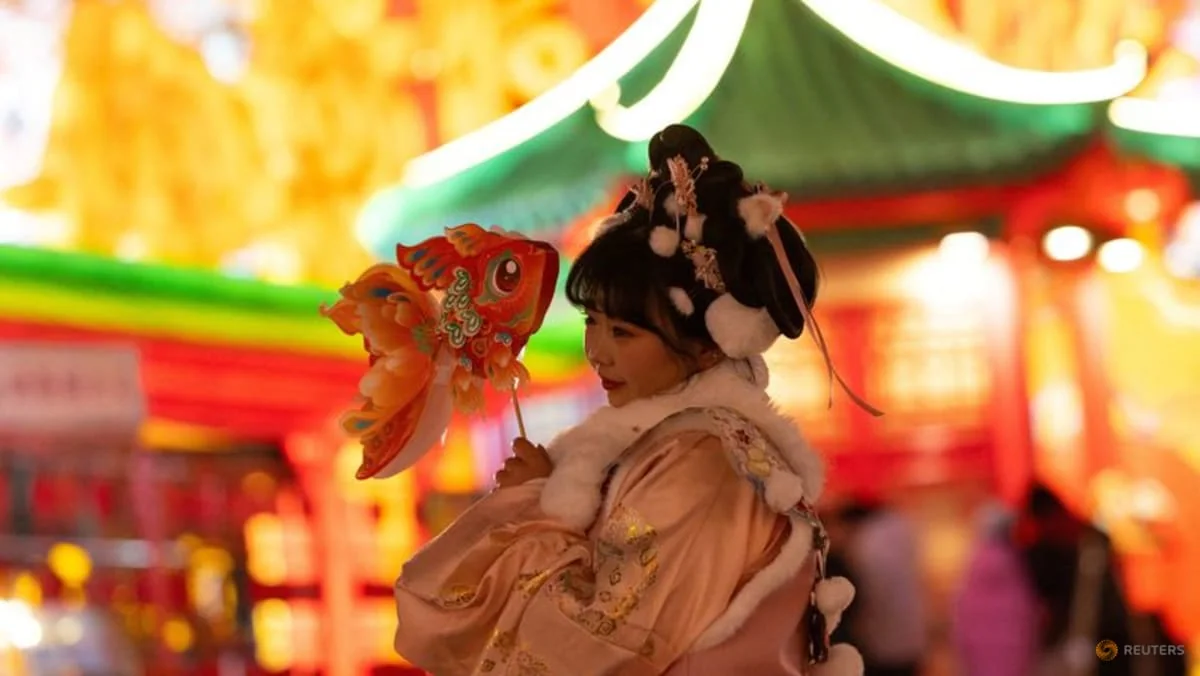
The trend’s timing coincided with Chinese New Year. On TikTok and Instagram, many users shared photos of themselves wearing red, symbolising prosperity, and discussed superstitions like not cutting or washing one’s hair on the first day.
Experts note that this trend offers a more grassroots view of everyday life in China. However, it also risks reducing complex cultural practices to superficial symbols. As Chinese Foreign Ministry spokesman Lin Jian said, “Glad to see that more and more foreign friends show interest in experiencing today’s China and exploring the Chinese people’s everyday life here.”
While the novelty lies in blending cultural curiosity with playful stereotypes, experts caution that it must be approached respectfully.