
Key Highlights
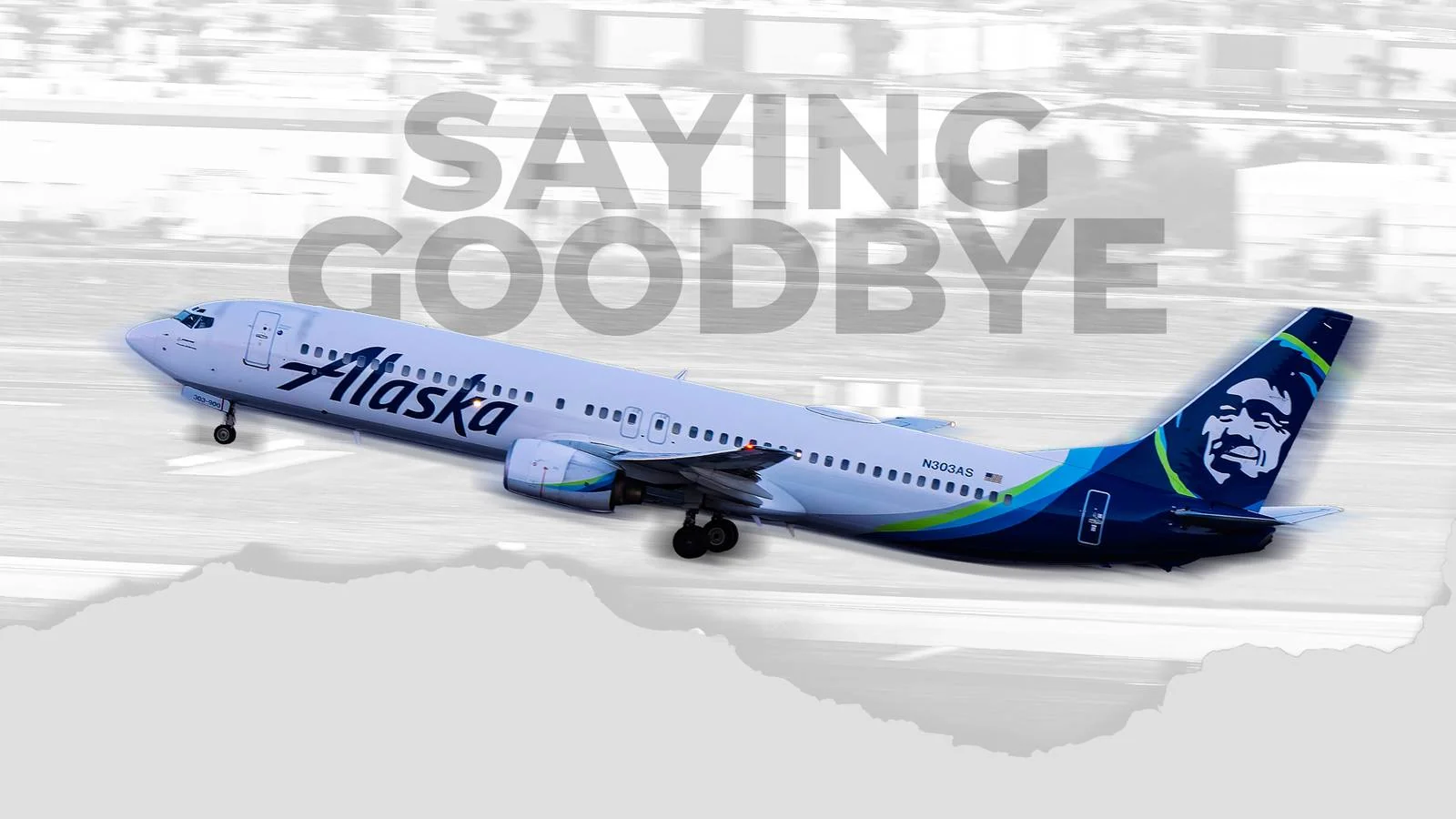
- Alaska Airlines retired its Boeing 737-900s in September 2025.
- The carrier chose the Boeing 737-900ER as a replacement due to its extended range.
- The Boeing 737 MAX 9 became Alaska Airlines’ primary choice for future aircraft.
- Alaska Airlines is awaiting delivery of eight 737 MAX 8s and 168 737 MAX 10s by 2027.
The Evolving Fleet: Alaska Airlines’ Aircraft Retirement Strategy
Alaska Airlines has been a stalwart in the Boeing 737 family, but its recent decision to retire the Boeing 737-900s highlights a strategic shift in fleet management. This move underscores the airline’s commitment to modernizing and optimizing its operations.
The Departure of the 737-900
With the retirement of its first 737-900, registered as N302AS, in April 2025 after nearly two decades of service, Alaska Airlines marked a significant chapter in its fleet history. The carrier, which once operated twelve of these aircraft, now finds itself transitioning to newer models that better align with current market demands.
The Boeing 737-900ER: A More Versatile Option
While the Boeing 737-900 was a staple in Alaska Airlines’ fleet for over a decade, its role became increasingly redundant as more advanced variants entered service. The arrival of the Boeing 737-900ER offered extended range capabilities that made it an ideal choice for cross-country routes. Alaska Airlines ultimately operated 79 of these aircraft, making them one of the most common types in their fleet.
The Future with Boeing: MAX Series Dominance
For Alaska Airlines, the future lies in the Boeing 737 MAX series. The airline’s CEO, Ben Minicucci, expressed optimism about the new aircraft, emphasizing their advanced technology and operational efficiency. With eight 737 MAX 8s on order and a significant fleet of 168 737 MAX 10s expected to arrive by 2027, Alaska Airlines is poised to modernize its entire narrowbody fleet.
These new aircraft will not only enhance the passenger experience but also contribute to cost savings through improved fuel efficiency and lower maintenance costs.
The transition from older models like the 737-900 to the latest Boeing 737 MAX series represents a strategic move that aligns with industry trends and customer expectations.
Alaska Airlines’ commitment to staying at the forefront of aviation technology is evident in its plans, but challenges remain. The history of the 737 MAX program has shown that new aircraft come with their own set of issues. Nevertheless, Alaska Airlines remains confident in its decision to adopt these modern aircraft.
As the airline continues to integrate these new models into its operations, it will be crucial for Alaska Airlines and Boeing to ensure a smooth transition and address any potential hurdles that may arise. The future of Alaska Airlines’ fleet is undoubtedly tied to these advanced Boeing aircraft, setting the stage for continued growth and success in the coming years.