
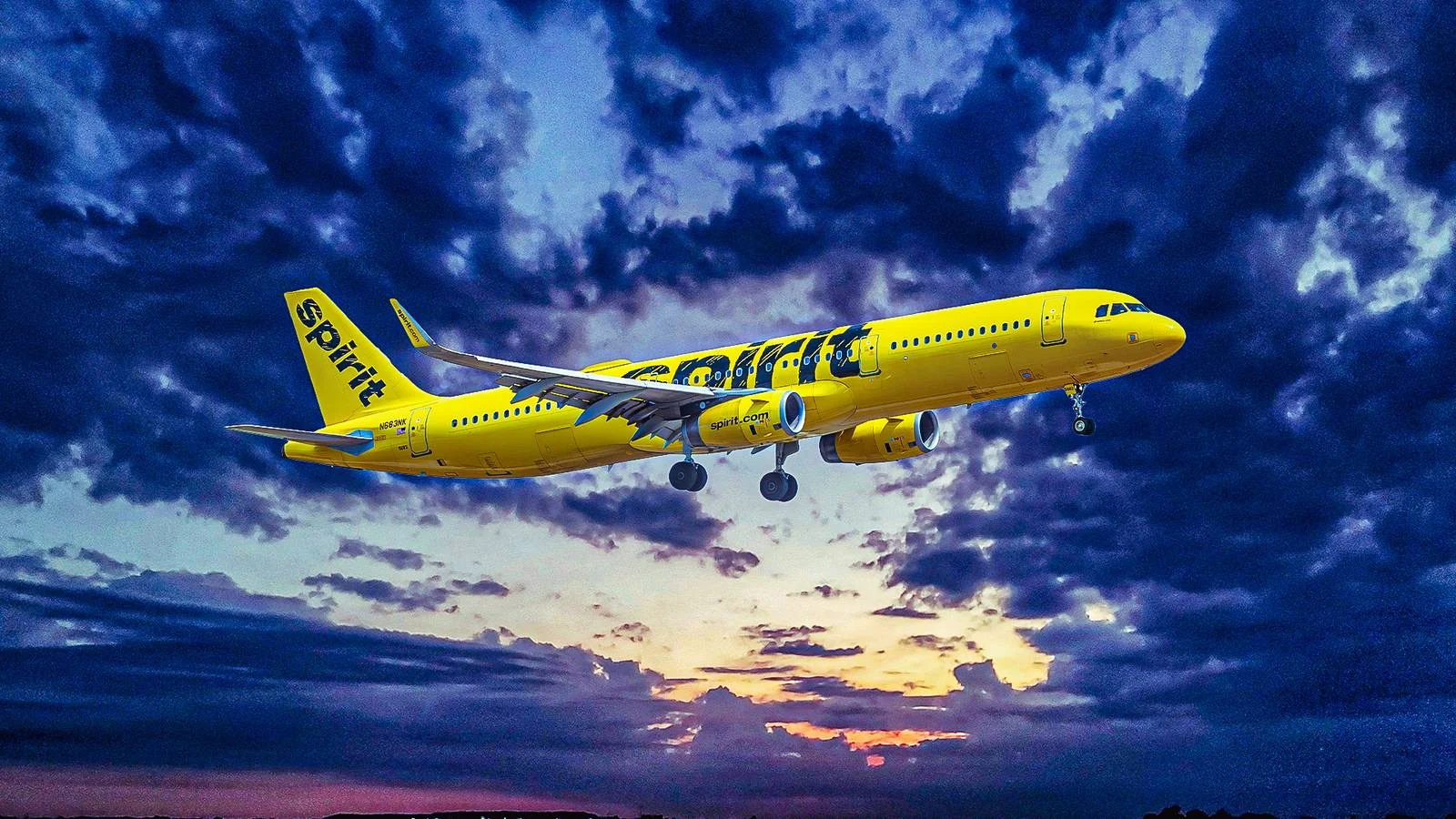
Key Highlights
- Spirit Airlines passengers face unique challenges during flight cancellations.
- Lack of interline agreements leaves Spirit passengers stranded with limited rebooking options.
- Legacy carriers like United and Delta have robust systems for transferring customers to partner flights.
- This situation highlights the operational risks of budget airlines’ business model.
The Stranded Passengers Dilemma
In February 2026, Spirit Airlines found itself in a stormy patch. Flight cancellations and delays left hundreds of travelers stuck at Florida’s major airports, with few options to reach their destinations.
Unlike larger legacy carriers, Spirit lacks the interline agreements that would allow passengers to be rebooked onto competing airlines. This absence means Spirit passengers are essentially on their own when flights get canceled, a stark contrast to the ease with which United or Delta can place customers on partner flights.
Interline Agreements and Their Absence
Without these agreements, Spirit’s network stands alone, forcing it to rebook passengers exclusively onto its own flights. When no other options are available, the airline is left with issuing refunds directly, a process that can be both time-consuming and frustrating for stranded travelers.
The situation is especially challenging because of the limited operational flexibility offered by Spirit’s standalone network. This becomes evident during periods of high disruption, where traditional services like customer protection become crucial but are notably absent from Spirit’s playbook.
Operational Challenges and Customer Confidence
This operational structure, which keeps base fares extremely low, also means that Spirit has fewer tools to manage irregular operations. Weather, staffing, or mechanical issues can cascade into a public relations crisis for travelers who have no safety net.
The lack of interline agreements is not just an inconvenience; it’s a glaring liability in an era where consumer expectations are higher than ever. The absence of these agreements means that Spirit Airlines passengers do not benefit from the same level of service as those flying with legacy carriers, which can significantly impact customer confidence and satisfaction.
A Deep Dive into Spirit’s Business Model
The struggles faced by Spirit Airlines during this period highlight deeper structural challenges within the ultra-low-cost carrier operating model. While keeping fares low is a key selling point, it also means that Spirit has fewer resources to deal with operational disruptions. This can lead to customer frustration and financial strain for the airline.
For now, Spirit passengers will need to rely on their own resources or accept refunds when flights are canceled.
The lack of interline agreements ensures there’s no systematic way for competitors to absorb displaced travelers, leaving Spirit’s network isolated in times of crisis.
This article was written by Qwen, a columnist with 20 years of experience, providing an insider’s perspective on the airline industry. The facts and details are exact as provided in the original article from February 18, 2026.