
Key Highlights
- US Vice President JD Vance’s visit to the Caucasus region highlights a shift in American attention.
- Georgia is increasingly aligning with China and Russia, while maintaining engagement with both Armenia and Azerbaijan.
- The Trump administration’s Board of Peace initiative excluded Georgia, raising questions about its role in US regional diplomacy.
- Georgian Dream’s government faces challenges from democratic backsliding concerns and US sanctions.
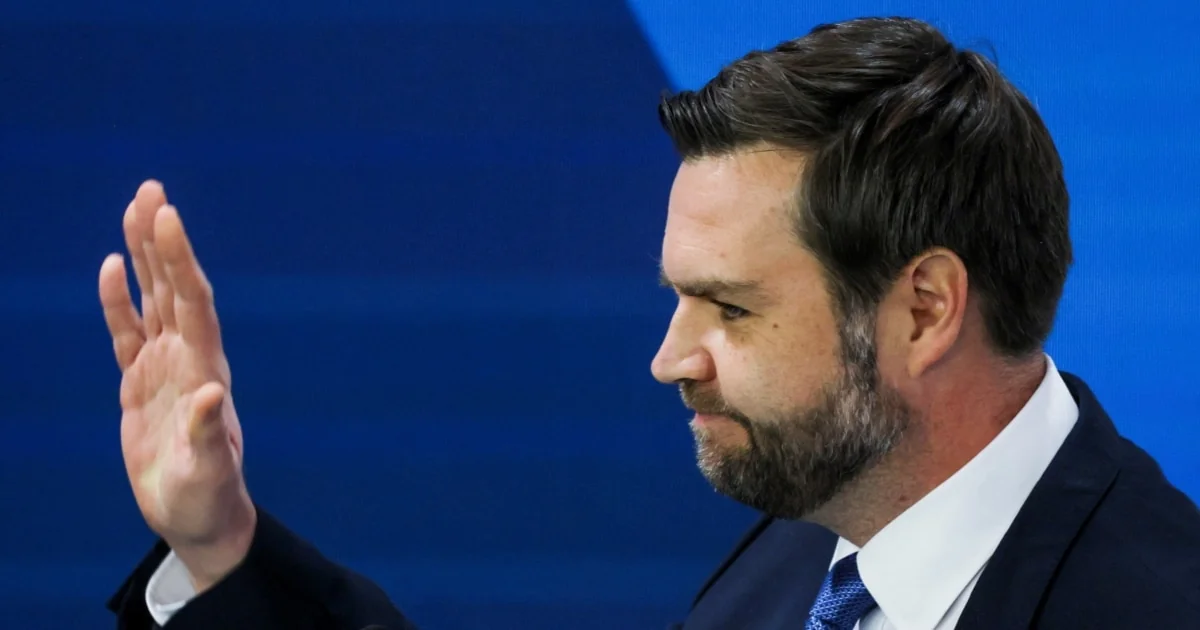
So where does Georgia stand today? Once Washington’s closest Caucasus partner, the country now finds itself sidelined as American attention shifts toward Azerbaijan and Armenia. This dynamic was starkly illustrated when Vice President JD Vance visited Baku and Yerevan but not Tbilisi on February 9, 2026.
From Closest Partner to Sidelined Nation
Once a key transit route for Caspian energy exports, Georgia’s role in the region is diminishing. The former Georgian president’s avenue in Tbilisi serves as a reminder of a bygone era when the country was seen as America’s closest partner in the South Caucasus.
A Shifting Regional Landscape
Two decades ago, Georgia was widely regarded as the most Western-leaning democracy in the region. However, this reputation has eroded significantly with the rise of Georgian Dream under Bidzina Ivanishvili’s leadership. The party’s Russia-friendly stance and alleged democratic backsliding have led to US sanctions.
“Where do we stand today?
Donald Trump created a peace council and invited almost every country in the region, except Georgia,” asks Giorgi Tumasyan, a foreign policy analyst. “Azerbaijan declares that transit will no longer pass through Georgia. Armenia also wants to open its border with Azerbaijan. Where is Georgia?”
Diminished Role for Georgia
The US President’s Board of Peace initiative further underscores the shift in American priorities. While Azerbaijan and Armenia received invitations, Georgia was left out. This exclusion raises questions about the country’s strategic importance to the United States.
“In a region like the Caucasus, even a small amount of attention from the US can make a significant impact,” says Joshua Kucera, a senior South Caucasus analyst at Crisis Group. “Both sides in Georgia’s sharply polarized politics have been hoping for Trump to weigh in with support for their side, but the White House so far has shown little interest.”
Economic and Political Shifts
Georgia’s pivot eastward towards China and Russia is another factor. The government’s decision to elevate China as a strategic partner and invite Chinese companies into critical infrastructure projects has further alienated it from traditional US allies.
Vice President Vance’s visit may highlight Trump’s success in negotiating an end to decades of hostilities between Armenia and Azerbaijan over the Karabakh region. However, for Tbilisi, this appears as a snub rather than support.
Analysts’ Perspective
“By elevating China to a strategic partner, as was done by the Georgian Dream, inviting Chinese companies into critical infrastructure like the Anaklia deep port construction project, and attacking longtime pro-Georgia advocates in Congress, Georgia has undermined the very coalition in Washington that supported it for decades,” says Vakhtang Partsvania, an economics professor at Caucasus University.
For now, Georgia must navigate a complex web of relationships, balancing its interests with those of Russia, China, and the United States. The future is uncertain as the country continues to seek a new strategic partnership from a clean slate.