
Key Highlights
- Rayo Vallecano faced a tight schedule to manage ticket distribution for their match against Atlético de Madrid.
- Fans showed up early and experienced unexpected performances from mariachis playing at the venue.
- Premature selling of tickets on secondary markets was a concern, with prices reaching as high as 100 euros.
- Peñas (fan clubs) organized to ensure tickets were collected but not used, aiming to avoid embarrassing resale scenarios.
The Rush and the Mariachis
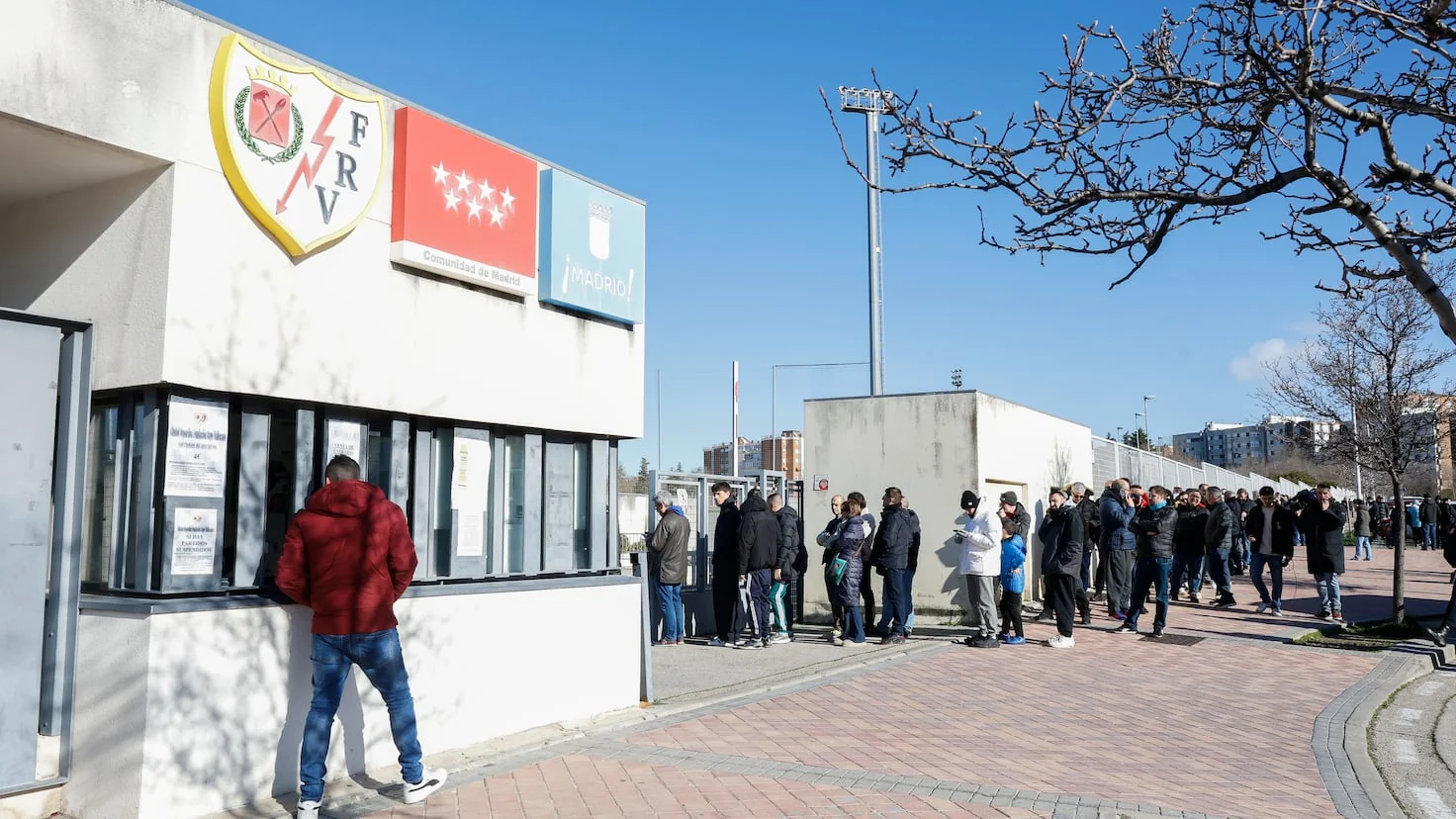
Rayo Vallecano had a narrow window of opportunity to sort out their ticket distribution for the match against Atlético de Madrid. With just one day at their disposal, they set up five service desks in their training facilities, operating from 10:00 AM until 9:00 PM. The morning unfolded without significant hitches, but early birds encountered a surprise performance by mariachis who played a song dedicated to the club’s owner.
These impromptu musicians performed for about fifteen minutes before being asked to cease due to lack of necessary permissions. This wasn’t their first time at this venue; they had staged a similar act during the 2023-24 market closure, but this time, it only lasted as long as regulations allowed.
The Battle for Seats
Despite the efficient set-up and security presence, there were still concerns about secondary ticketing. By mid-morning, approximately one thousand season-ticket holders had claimed their seats. However, many of them chose to keep their tickets unused, either selling or destroying them to prevent embarrassing resale scenarios on online platforms.
The average price for such resold tickets hovered between 60 and 100 euros, reflecting the desperation among some fans who saw this as an opportunity to profit from their support. Yet, official predictions suggested that only around 4,000-4,500 season-ticket holders would attend, indicating a significant drop in expected attendance.
A Call for Action
To address these issues, the club’s fan groups organized a demonstration scheduled for the following Sunday. This action was part of a broader strategy to reduce secondary ticketing and ensure that seats remained available for genuine supporters who had paid their dues. The call for unity among fans was clear: they wanted to show their commitment by staying away from Leganés, where the match would be held.
By organizing this protest and demonstrating against reventa (resale), Rayo Vallecano hoped to send a strong message both to their own supporters and to the wider football community. The stakes were high, given the club’s modest stature within Spanish football, and any misstep could have serious consequences for future attendance and revenue.