
Key Highlights
- The U.S. is transferring 7,000 ISIS suspects from Syria to Iraq amid security concerns.
- Iraq has vowed to put the prisoners on trial, raising doubts about fairness and capacity.
- Past trials in Iraq have been criticized for lack of due process and use of torture.
- Some countries are wary of taking their nationals involved in terrorist crimes back home.
The U.S. Shifts ISIS Suspects to Iraq: A Security Concern?
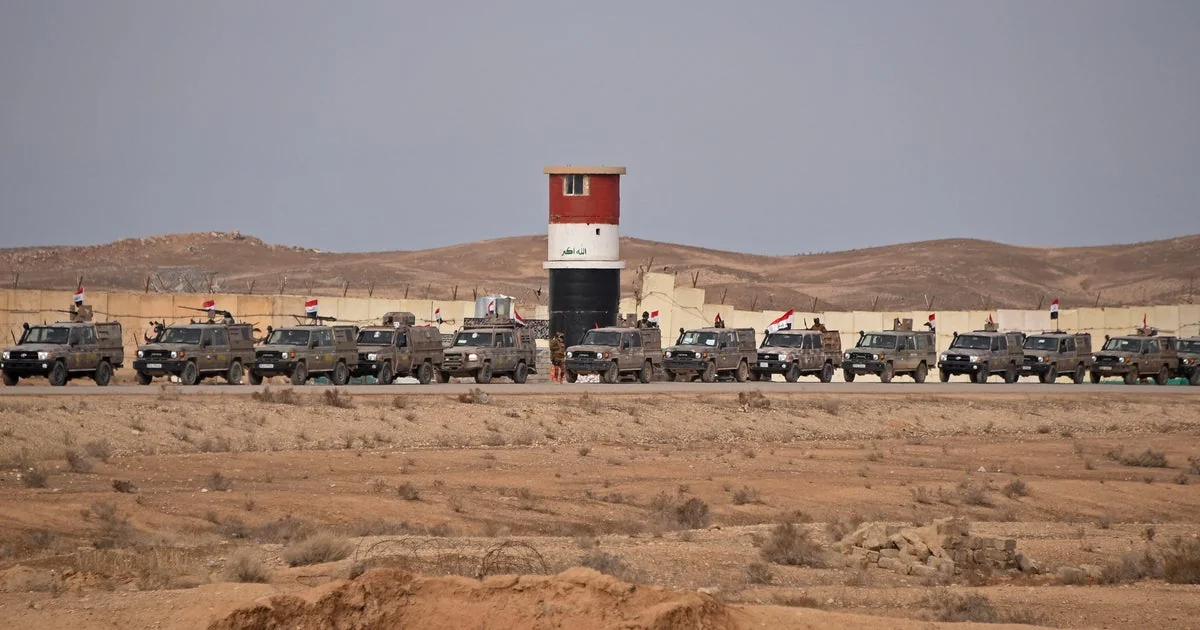
The U.S. military is currently engaged in an operation to transfer nearly 7,000 ISIS suspects from prisons and jails in northeast Syria to detention facilities across the border into Iraq. This move comes amidst concerns over security, particularly following a mass escape from at least one prison in Syria.
A Chaotic Past
In January 2026, chaos erupted around prisons holding ISIS detainees in the Kurdish-held region of Syria. The SDF (Kurdish Syrian Democratic Forces) withdrew from Al-Aqtan prison amid clashes with government forces, leading to a Jan. 20 mass-escape that alarmed the U.S., which agreed to relocate these suspects to more secure facilities in Iraq.
Security and Trials
According to Iraqi security sources, nearly 2,000 detainees had already been transferred into the country by Thursday. The Iraqi government has promised to put these prisoners on trial, with the hope of securing them from further escape attempts. However, there are doubts about their fate: Iraq’s justice system faces significant challenges.
Past Trials Under Scrutiny
In 2019, following the defeat of ISIS in Iraq, thousands of suspects were tried and many sentenced to death. Sarah Sanbar, a researcher with Human Rights Watch, questioned Iraq’s ability to handle such trials fairly. She pointed out that the previous legal process was “completely overwhelmed” and criticized it for confessions obtained under torture.
International Concerns
Sanbar emphasized that some countries whose citizens left to join ISIS have been reluctant to accept responsibility for them, preferring not to deal with the aftermath of their involvement. This reluctance has led to calls from Sanbar for these countries to repatriate their nationals or allow Iraq to try them.
A Skeptical View
You might think this is new, but it’s part of a larger struggle to secure justice in the wake of ISIS. The move to transfer suspects to Iraq is a pragmatic response to security concerns, yet it raises questions about due process and the fairness of Iraqi courts. As Iraq prepares to trial these detainees, the world watches closely, hoping for a just outcome while maintaining vigilance over potential human rights abuses.
Meanwhile, the U.S. continues its operations in Syria, balancing the need for security with international pressure to address the humanitarian situation.
The transfer operation is a testament to the complexities of dealing with a former terrorist organization and ensuring justice for all involved.
The Iraqi National Center of Justice and International Judicial Collaboration has been communicating with various countries regarding the matter but hasn’t identified them publicly. Regardless, the situation remains tense, with both security concerns and legal challenges looming large in the background.