
Key Highlights
- Eileen Gu faces backlash for commenting on Trump’s statement while representing China.
- Critics argue Gu has not spoken out against China’s alleged human rights abuses.
- Former NBA player Enes Kanter Freedom calls her a “traitor” on X.
- Hudson Institute senior fellow Michael Sobolik questions Gu’s neutrality.
The Skiing Phenomenon
Eileen Gu, the highest-paid Winter Olympic athlete, is in the spotlight once again. Born in San Francisco and representing China since 2019, her career trajectory is a testament to commercial success and international sports.
Gu’s gold medal at the 2022 Beijing Olympics was not just a personal triumph but also a financial bonanza, estimated at $23 million for the year 2025. Her partnership with Chinese companies like Bank of China adds layers of complexity to her public persona.
The Olympic Spirit vs. Political Reality
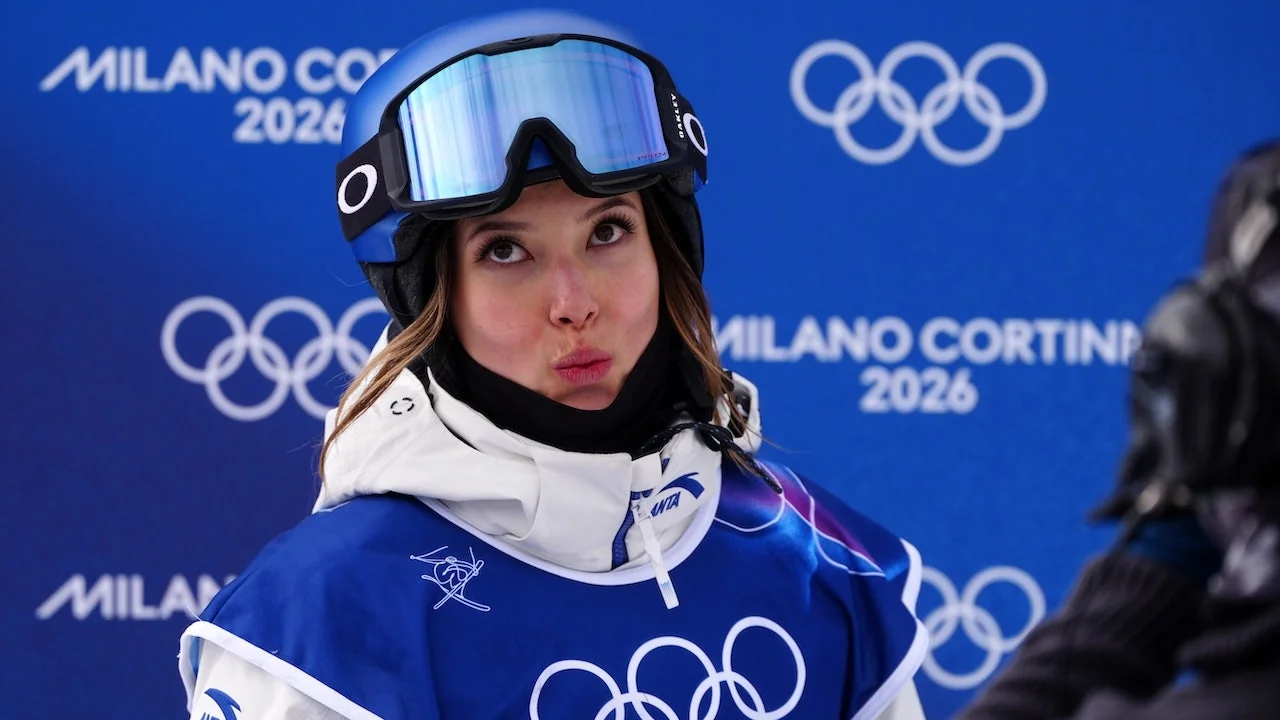
Amidst this success, Gu’s recent statements about President Donald Trump have ignited a debate over athlete neutrality and political engagement. During the Milan Cortina 2026 Winter Olympics, she defended her stance on representing China while acknowledging the broader context.
“The whole point of sport is to bring people together,” Gu said, defending herself against critics who argue that her silence on human rights issues runs contrary to Olympic ideals.
Backlash and Criticism
Critics like Enes Kanter Freedom have been vocal in their disapproval. Kanter wrote: “Eileen Gu is a traitor. She was born in America, raised in America, lives in America, and chose to compete against her own country for the worst human rights abuser on the planet, China.” The post went viral, highlighting Gu’s commercial success while representing an authoritarian regime.
Hudson Institute senior fellow Michael Sobolik further criticized Gu, stating: “Listen, it’s fine for athletes to criticize the U.S. president.
It also isn’t that interesting because it happens all the time. What’s interesting about this story… is that Eileen Gu is an American skier competing for China. No mention about whether the CCP’s genocide of Uyghurs ‘runs contrary to everything the Olympics should be.’ No criticism of Xi Jinping for the imprisonment of Jimmy Lai, Pastor Ezra Jin, Gulshan Abbas, or China’s many other political prisoners.”
The scrutiny extends beyond Kanter and Sobolik. Republican communications specialist Matt Whitlock also questioned Gu: “Can’t imagine a worse voice on this topic than an athlete who threw away her American citizenship for Chinese Communist Party endorsement deals.” The criticism underscores the ethical complexities of athletes representing countries with questionable human rights records.
A Complex Legacy
Eileen Gu’s story is not just about athletic achievement but also about navigating global politics and personal identity. Her comments during the Olympics reflect a broader conversation around athlete neutrality in an increasingly politicized world of sports.