
Key Highlights
- Data intelligence is revolutionizing India’s logistics sector.
- Predictive demand planning is becoming the norm in modern supply chains.
- Courier aggregation platforms are democratizing access to high-speed logistics.
- The cloud and IoT are integral to real-time visibility and reliability.
- Technology is serving both D2C and B2B needs effectively.
Data-Driven Logistics: The New Era of Speed and Efficiency
India’s logistics sector has long been a physical affair, moving goods from Point A to Point B. But with the rise of data intelligence and IoT, the narrative is changing. It’s no longer just about moving stuff; it’s about moving smarter.
The Shift from Reactive to Predictive
Traditionally, logistics began only when an order was placed. Today, thanks to AI for predictive demand planning, it starts weeks before the transaction. By analysing historical sales, local events, and search behaviours, modern supply chains can anticipate surges. This awareness ensures inventory isn’t just sitting in a warehouse but is optimally placed, ready for rapid dispatch the moment a customer clicks “Buy Now.”
Democratising Access through Aggregation
Historically, sophisticated logistics tech was exclusive to retail giants. Today, tech-enabled shipping aggregation platforms are changing the game for Micro, Small, and Medium Enterprises (MSMEs) and D2C brands. These platforms integrate AI-based tools like Ayumi Select, analysing thousands of data points for each user while calculating metrics such as on-time delivery rates and service coverage.
For businesses in Tier 3 or smaller towns, this is a game changer.
By recommending the optimal, fastest, and least expensive courier for every single pin code, these platforms can reduce logistics costs by up to 30% and RTO risks by 45%. Automated address verification and behaviour analysis make all the difference.
The Nervous System: Cloud and IoT
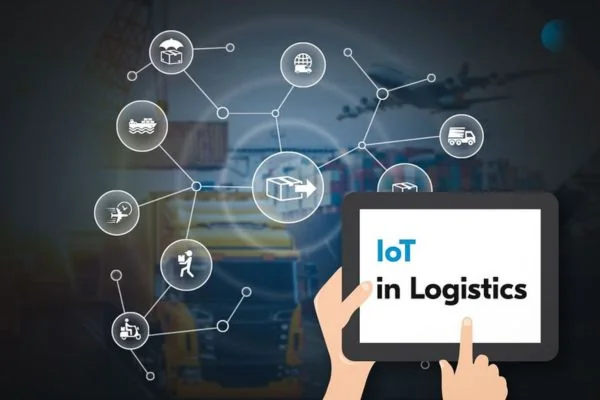
If AI is the brain of this operation, the cloud and IoT serve as its nervous system. Real-time visibility through these systems replaces guesswork with reliable information. Cloud-based logistics platforms act as a unified dashboard, linking inventory, marketplaces, and last-mile fleets.
This platform is further strengthened by integrations like ULIP, offering real-time multi-modal tracking. They don’t just track a parcel; they predict delays and automate customer updates, maintaining trust even when things go wrong.
Serving Both D2C and B2B Needs
The technology serves two distinct masters: speed and reliability. For D2C brands, the focus is on instant gratification for Gen Z shoppers (40% of online buyers). For B2B operations, the focus shifts to bulk handling and cost efficiency.
A robust courier aggregator platform distinguishes between these needs, ensuring corporate clients get cost-optimised bulk transit while retail customers enjoy express delivery.
As we look toward the future, fragmented addresses and remote locations remain challenges, but we finally have the tools to navigate them. Logistics is no longer a back-end support function; it’s a strategic lever for growth. Success in India’s digital economy belongs to those who can solve the puzzle of speed and scale concurrently.
It’s not just about moving faster; it’s about shipping smarter. The future supply chain is here, and it’s time to embrace it fully.
“The industry needs intelligence.” – Ravi Goel, CEO of RapidShyp