
Key Highlights
- Lindsey Vonn is skiing despite a torn ACL.
- Vonn’s ability to compete is due to medical and biomechanical factors.
- Downhill skiing allows for compensation through muscle strength and ski equipment.
- Matt Futterman discusses the complexity of Vonn’s condition in The Athletic.
The Unthinkable: Lindsey Vonn Skiing with a Torn ACL
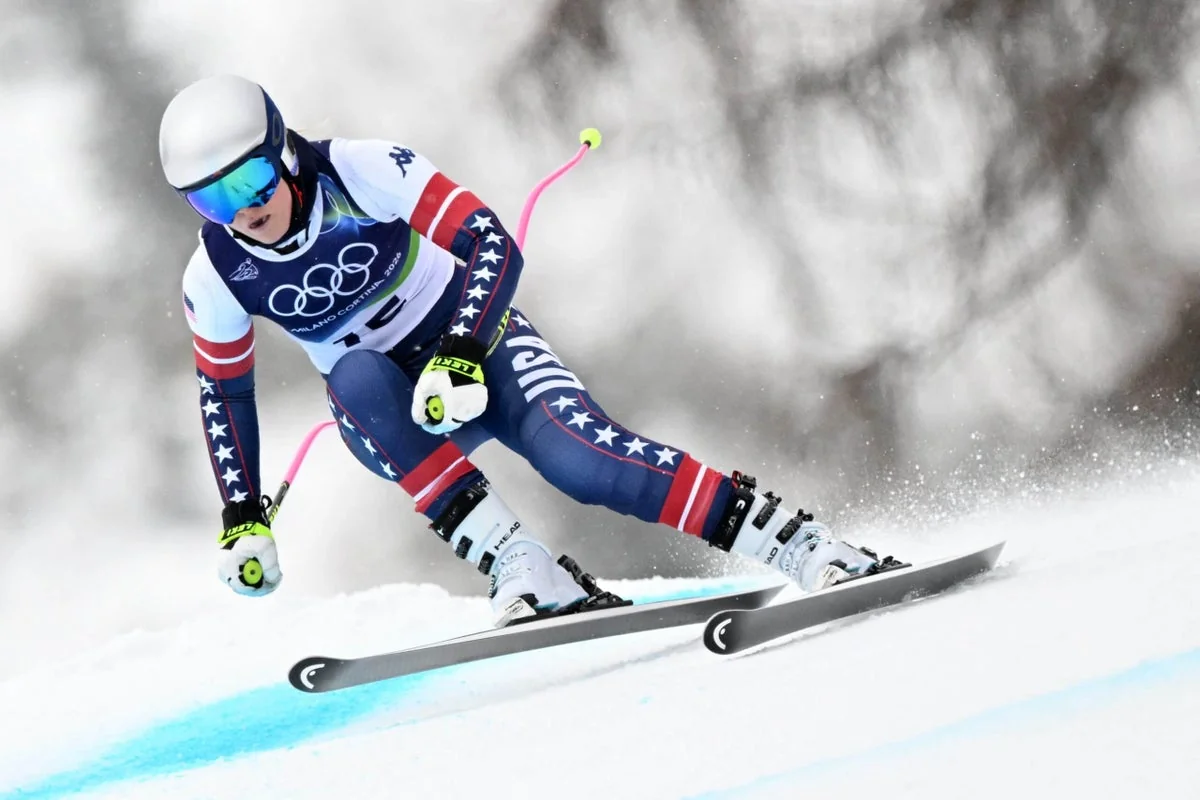
It’s like something out of a Hollywood script – Lindsey Vonn, the five-time World Champion, is competing at the 2026 Milan Cortina Olympics with an anterior cruciate ligament (ACL) that should have sidelined her for a year. It’s the stuff that legends are made of.
But how? How is this possible?
Medical Marvels and Vonn’s Will
Vonn, who has long been a pioneer in women’s skiing, faces a perfect storm of circumstances to make her participation conceivable. First off, the swelling in her knee hasn’t ballooned as expected with an ACL tear, allowing her to ski despite pain. Second, her strong quadriceps and hamstrings are compensating for the lack of stability provided by the torn ligament.
“Don’t operate on the MRI,” Dr. Bill Mallon, a fellow of the American Academy of Orthopaedic Surgeons, might have said. “Operate on the patient.” Vonn’s body awareness and sheer physical prowess are making all the difference.
The Skiing Specifics
Downhill skiing is different from other sports in how it allows for compensation. The ski boot helps limit ankle movement, reducing stress on the knee, while the binding maintains joint alignment. Vonn’s events don’t require quick cuts and plant steps, which would be nearly impossible without a functioning ACL.
“She can still medal,” Aksel Lund Svindal, her coach and fellow Olympic gold medalist in downhill, stated confidently. “Even win the gold.”
Risk and Reward
The risks are real, though. Other top skiers have competed with ACL tears for years, but Vonn’s case is far from normal. Her left knee has been able to handle the stress better than expected, but this could change over time.
“The impacts here in the landings are flat,” Svindal explained. “It’s a hard impact, and then you should try to land on both feet. It would be safer.”
Vonn is banking on her experience, strength, and the support of modern medical techniques to stay on course.