
Key Highlights
The Political Performance at Super Bowl LX
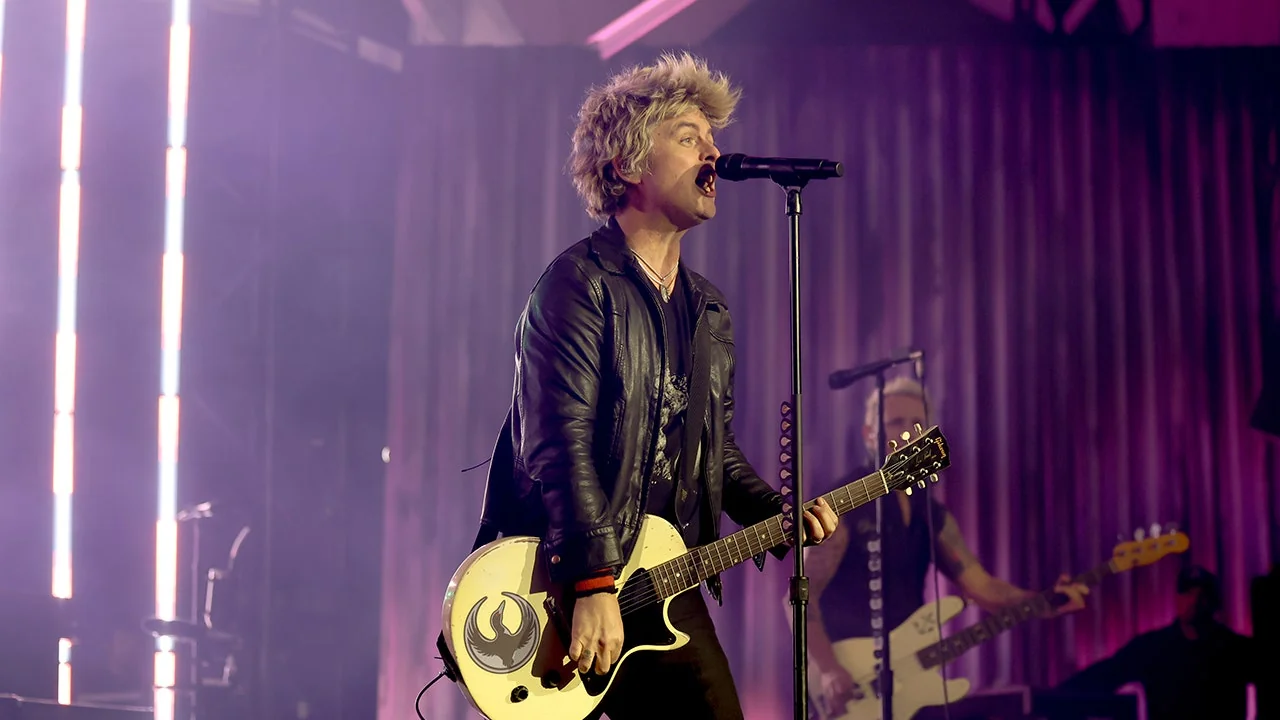
You might think this is new, but… Billie Joe Armstrong of Green Day took a stand against immigration enforcement at the pre-game party for Super Bowl LX. During his set on February 6, 2026, he directly addressed ICE agents and made a bold statement against them.
Armstrong’s Rhetorical Fire
And it was direct. “To all the ICE agents out there, wherever you are, quit your s—-y-ass job,” Armstrong said, turning heads at Pier 29 in San Francisco. He went on to reference Trump administration officials, saying they would be “dropped like a bad f—–g habit” once their time was over.
Political Context
But this wasn’t just about a band making a statement. President Trump took notice, calling the performers’ choice “a terrible choice.” He added, “All it does is sow hatred,” which is quite the accusation for a political protest during a sports event.
The ICE Factor
And then there’s the issue of ICE itself. Bad Bunny, who was scheduled to perform at halftime, also faced scrutiny from Trump, who said he didn’t know why they picked him. “I don’t know who he is,” Trump told Newsmax, expressing his displeasure.
Industry Reaction
This performance and reaction highlight the complex relationship between entertainment and politics. While Green Day’s stance may have gained them attention, it also risks alienating a portion of their audience, especially those who support current immigration policies.
The Broader Implications
So, what does this mean for performers at future events? Will we see more explicit political statements, or will artists shy away from controversial topics to avoid backlash?
For now, the Super Bowl is not just about football anymore. It’s a stage where the intersection of entertainment and politics plays out in real time.
The writing on the wall is clear: in an era where public opinion can shift quickly, performing at major events comes with a heavy dose of political risk.