
Key Highlights
- Team GB won two medals in curling at the 2022 Beijing Winter Olympics.
- Curling is played on ice with granite stones and involves strategic sweeping.
- The men’s, women’s, and mixed competitions are part of the Olympic program.
- Scotland has a strong tradition in curling due to its historical and social connections.
Curling: The Chess on Ice
You might think this is new, but Team GB’s success in curling at the Beijing Winter Olympics is not. In 2026, as Milan-Cortina gets ready to host another edition of the Games, the Scots will once again be favorites.
How Curling Works
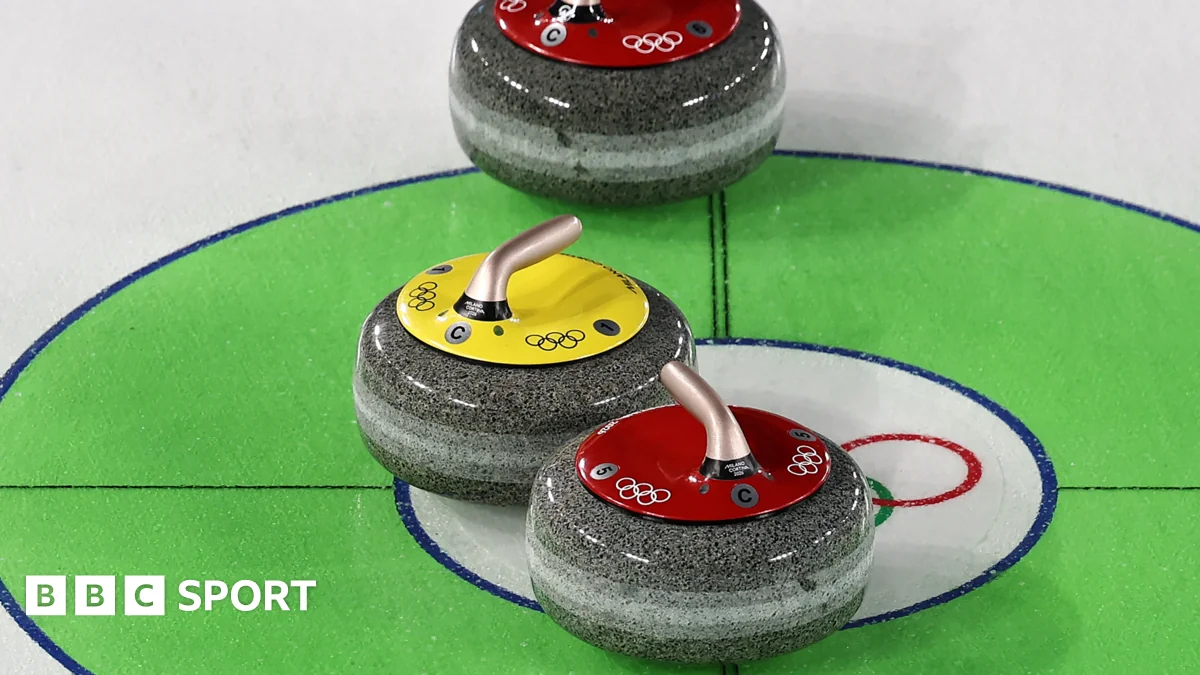
Curling involves sliding granite stones down a 45-meter ice sheet towards a target, called the house. Two teams take turns, with each side having two players brush furiously to control the stone’s path. The tactical mastery required makes it “chess on ice.”
The Match Dynamics
To win, you need more of your stones closer to the center of the house than the other team over a two-hour contest. There are three types of shots: guards, draws, and take-outs. Men’s and women’s matches consist of ten ends, where points can only be scored by the team with the closest stone.
The mixed doubles event is different, involving five stones per end and a strategic in-house placement before scoring. Each team has leads, seconds, thirds, fourths, and alternates—roles that require specific skills to navigate the game’s complexity.
Why Scotland?
Scotland’s dominance in curling stems from generations of players and the National Curling Academy in Stirling, which provides top-notch training. The country has more ice rinks than anywhere else in the UK, ensuring widespread access to the sport. This depth of talent gives Team GB a strong edge.
The Power Play
In mixed doubles, teams have one power play per game. Here, they can strategically place two stones ahead for potential scoring opportunities during an end. It’s a tactical move that requires careful planning and execution.
Curling is more than just competition; it’s a cultural phenomenon in Scotland, where the sport has deep roots. For Team GB, success hinges on these strategic elements and the passion of their curlers.