
Key Highlights
- Roger Ebert’s 2005 list of “Most Hated Movies” included Rob Schneider’s comedy sequel, Deuce Bigalow: European Gigolo.
- Ebert gave The Hot Chick a 0.5/4-star review, intensifying the feud with Schneider.
- The rivalry reached its peak in 2005 when Ebert criticized Schneider’s Deuce Bigalow sequel harshly.
- Despite the intense conflict, both parties eventually made peace by 2007.
Roger Ebert and Rob Schneider: A Legendary Beef
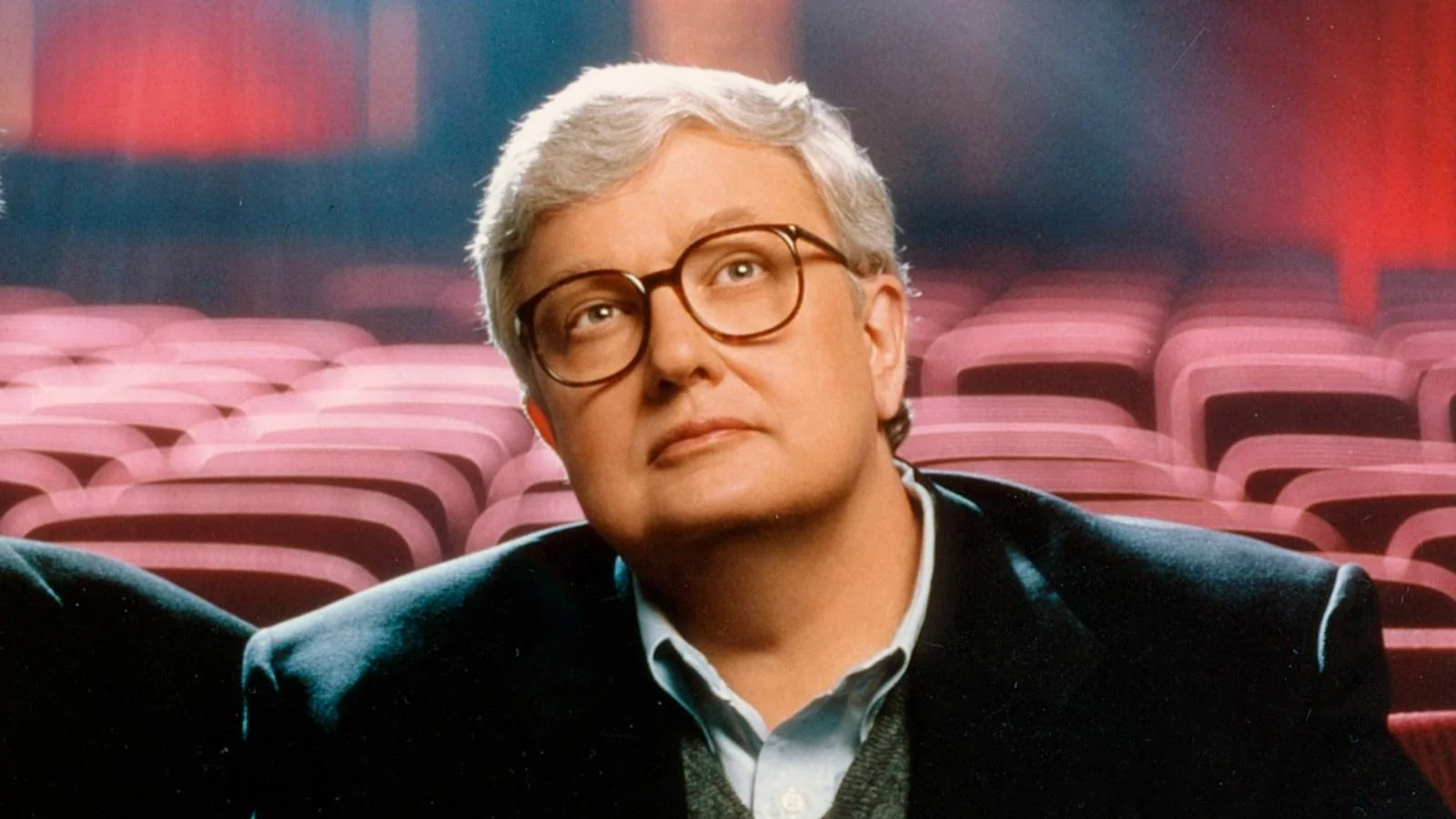
The late Roger Ebert was known for his unapologetic stance on movie criticism. One of his most notorious beefs was with actor and comedian Rob Schneider, which spanned over a decade.
In 1999, Schneider made his debut in Deuce Bigalow: Male Gigolo, a raunchy comedy. Ebert’s review was less than stellar, but he admitted to laughing during the film—proof of its immaturity and vulgarity.
A few years later, Schneider starred in The Hot Chick.
Ebert’s scathing 0.5/4-star rating for this movie marked a significant escalation in their feud. He wrote, “The movie resolutely avoids all the comic possibilities of its situation, and becomes one more dumb high school comedy about sex gags and prom dates.”
The conflict intensified with the release of Deuce Bigalow: European Gigolo in 2005. Ebert’s 0-star review, published alongside a savage attack on Schneider, stated, “Schneider is correct, and Patrick Goldstein has not yet won a Pulitzer Prize.” He further compared Schneider’s career to Jar-Jar Binks, the infamous character from Star Wars.
The feud lasted until 2007 when Ebert published “Your Movie Sucks,” which included his harshest reviews. The same year, Schneider sent flowers and a get-well note to Ebert, marking an unexpected resolution.
A Sweet Reconciliation
Despite the intense rivalry, their final interaction was surprisingly amicable. Schneider’s message to Ebert read, “your least favorite movie star.” Ebert, touched by the gesture, added a positive addendum to his review of Deuce Bigalow: European Gigolo. He noted that although Schneider had made a bad movie, he wasn’t a bad man and hoped to see him succeed again.
Their unique story highlights the unpredictability of critic-artist relationships. As film criticism continues to evolve in today’s digital age, such feuds may seem like relics of a bygone era but remind us that even the most adversarial relationships can find closure.