
Key Highlights
- President Trump hopes to extend US-Russia arms control deal by including China.
- New Start Treaty expired on Thursday, leaving US and Russia without major nuclear weapons controls for the first time in 21st century.
- US and Russian negotiators appear close to a temporary deal but lack transparency as New Start restrictions expire.
- China’s involvement is seen as complicating progress towards new arms control talks.
- Both Russia and China have reservations about US-Russia cooperation on nuclear weapons limits.
The Expired Treaty: A Dangerous Moment
New Start, the treaty capping strategic nuclear warheads between the US and Russia, expired. Rose Gottemoeller, Obama’s chief negotiator, says it’s a dangerous moment with nothing planned for next steps.
US-Russia Dynamics
The expiration leaves the two nations without major guardrails on their nuclear programs for the first time in this century. Tensions are high amid the Ukraine conflict, raising fears of a new arms race.
China’s Role and Hurdles
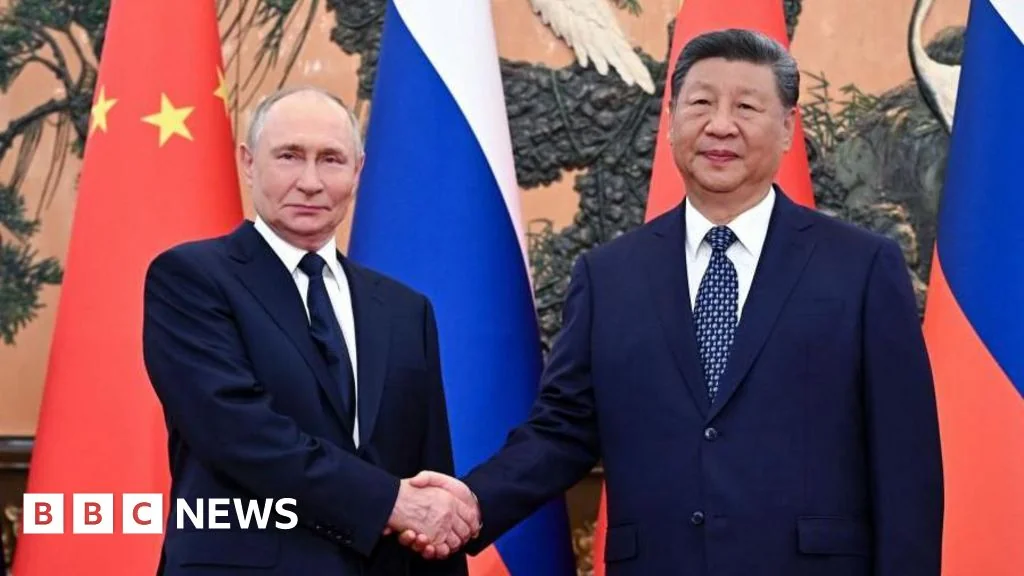
Trump aims to involve China in new arms control talks but faces resistance. Beijing requires US-Russia reductions before engaging in negotiations. The situation is further complicated by ongoing disputes over Ukraine.
Nuclear Weapons on the Line
The US and Russia appear at odds over replacing New Start, with Moscow citing America’s role in supporting Ukraine. Trump calls for a new, improved treaty but faces skepticism from experts who see years of work needed to develop verification measures.
Years of arms control policy are now uncertain. Herzog notes that without such agreements, the legacy of bilateral nuclear arms control over five decades is disrupted.
The Clock is Ticking
With the treaty’s expiration and no immediate replacement in sight, experts warn of significant risks. The US and Russia stopped on-site inspections last year due to the pandemic, further complicating verification efforts.
In a social media post, Trump calls for a new, improved arms control treaty, but the road ahead is fraught with challenges. A temporary agreement now could only be a stopgap measure lacking in transparency and long-term commitment.
With both sides facing significant hurdles, the clock is ticking on what could be years of negotiations to replace New Start. The world watches as the future of nuclear arms control hangs in the balance.