
Key Highlights
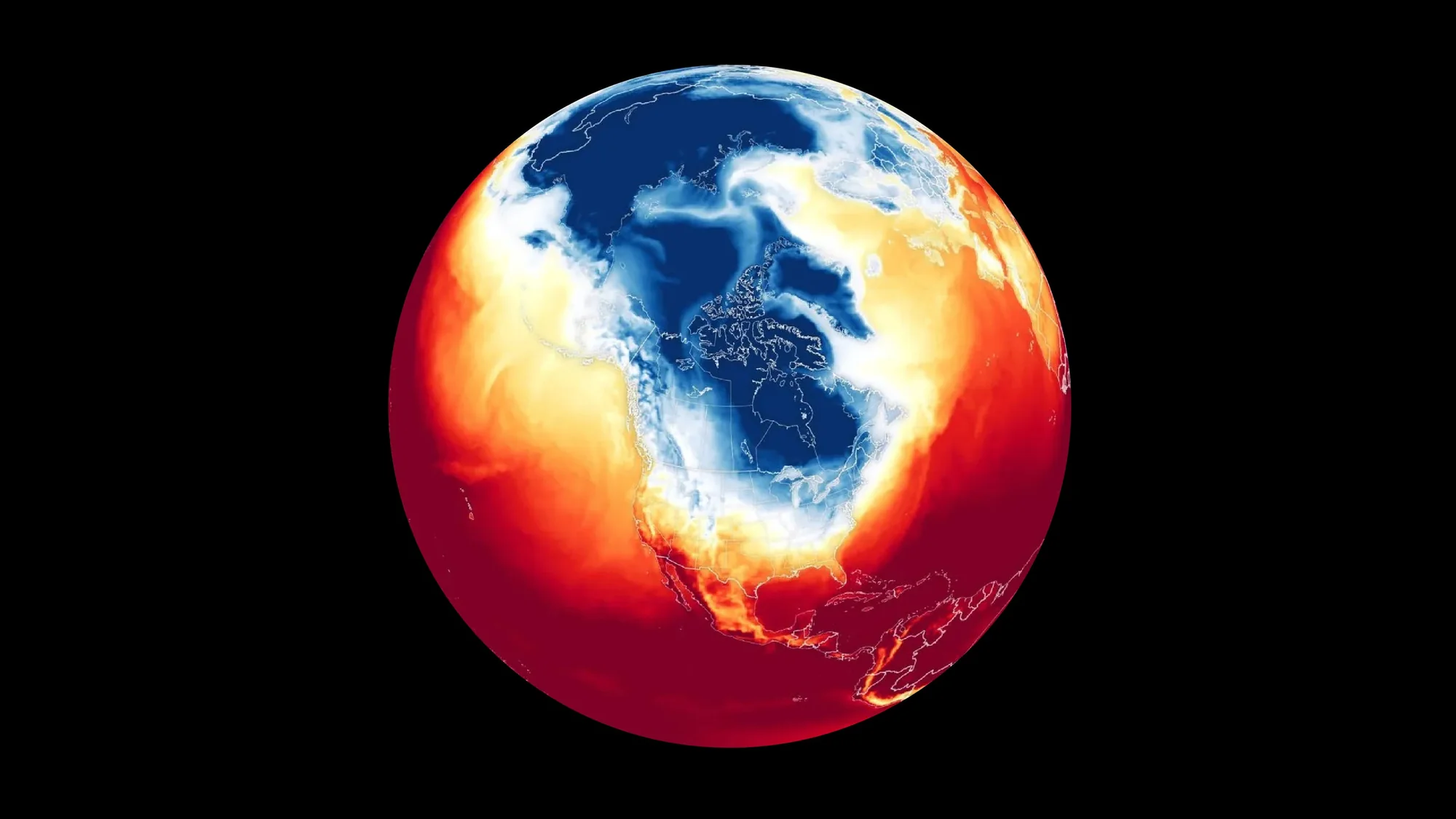
- A sudden stratospheric warming is causing a polar vortex that will bring freezing temperatures and snow to the Northeast in February 2026.
- This event will likely have significant economic impacts on businesses and individuals in affected regions.
- The cold snap could disrupt supply chains, increase energy demands, and impact consumer spending habits.
Freezing Temperatures: A Business Perspective
Another polar vortex is coming, and it’s not just a meteorological event. It’s an economic one too. As AccuWeather Meteorologist Peyton Simmers notes, “Another reinforcing shot of Arctic air is expected to send temperatures plummeting back down into the single digits overnight into this weekend.” This isn’t your average cold snap; it’s part of a significant weather phenomenon that will have real financial implications for businesses and consumers alike.
Supply Chain Disruptions
The sudden drop in temperature could disrupt supply chains. Cold storage facilities, already strained by the winter months, might struggle to maintain optimal conditions. For instance, fresh produce and frozen goods are particularly sensitive to temperature fluctuations. Any delays or damage could result in significant financial losses for retailers and food distributors.
Increased Energy Demands
Elevated energy costs will be another headache for businesses. The National Weather Service explains that “A Sudden Stratospheric Warming occurs each winter when temperatures in the Arctic stratosphere increase quickly – up to 100° degrees – in a matter of days.” This warming event is weakening the polar vortex, leading to colder air surging southward. For companies with significant energy usage, this could mean higher bills and tighter budgets.
Consumer Spending Habits
The cold snap isn’t just about corporate concerns; it also affects individual consumers. With temperatures dropping into single digits, people will be spending more on heating bills and protective clothing. This shift in consumer behavior can impact retail sales, particularly for stores that sell winter wear or home heating products.
Preparation is Key
Businesses need to prepare for the worst. From enhancing cold storage facilities to adjusting energy consumption budgets, proactive measures are crucial. It’s not just about weathering the storm but ensuring operations continue smoothly through such unpredictable conditions.
As AccuWeather notes, “Unable to view our graphics?
Click here to see them.” These tools can help businesses stay informed and make strategic decisions based on accurate forecasts.
So, put that winter jacket back in your closet. The polar vortex is coming, and it’s not just a seasonal inconvenience—it’s a financial one too. Stay prepared, stay informed, and weather the storm.