
Key Highlights
- The author and his wife traveled to Poland to visit Auschwitz, a site of remembrance for the Holocaust.
- A guide named Pawel Sawicki provided nuanced insights into the history and human stories of the camp.
- The trip left the author with profound questions about bystander responsibility in modern crises.
- They visited other historical sites in Poland, including Warsaw’s Museum of Warsaw and POLIN Museum of the History of Polish Jews.
A Journey Through History: A Visit to Auschwitz
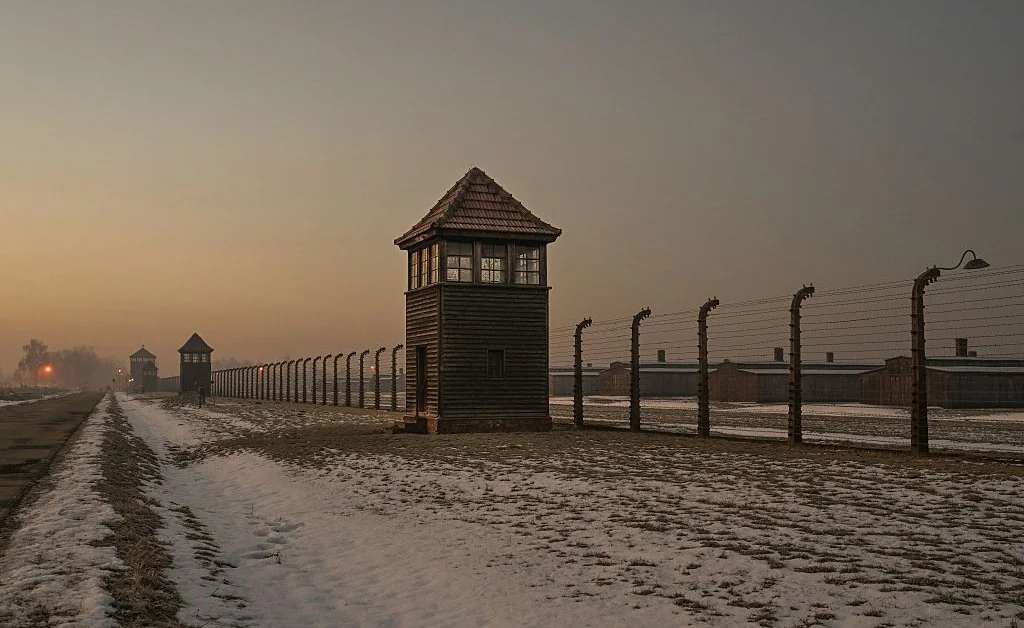
The early morning air was crisp as we stepped out of our car at Auschwitz. The weight of history hung heavy in the atmosphere, a reminder of the horrors that unfolded here during World War II. My wife, Robin, and I had planned this trip carefully, knowing it would be an emotional journey but also one of profound significance.
Preparing for the Journey
Our decision to visit Auschwitz was not made lightly. In the lead-up to our trip, Robin, a devoted student of World War II history and Holocaust studies, had been grappling with her own existential anxiety about her upcoming milestone birthday. It was a challenging time for both of us, but we decided that honoring this moment through travel would be meaningful.
Auschwitz: A Day of Reflection
Upon arriving at the infamous gate, we were greeted by our guide, Pawel Sawicki. His deep, resonant voice narrated our tour with a depth and humanity that was both enlightening and overwhelming. He spoke about the slow creep of horror that turned Auschwitz from a labor camp to a death factory.
As we walked beneath the iconic Arbeit Macht Frei sign, I felt a physical tremor in my body—a mix of disgust, sadness, and an unspoken gratitude for the lives lost.
The museum displayed personal items—clipped human hair, abandoned eyeglasses, ransacked suitcases—that brought the atrocities to life. Among these artifacts was one child’s shoe, with a note that read his name and transport number. This simple reminder of a mother’s desperate attempt at protection left me in tears.
Lessons from History
Pawel’s insights were profound. He emphasized the complexity of human nature, suggesting that no one is born as a victim or perpetrator but rather shaped by their circumstances. His words echoed in my mind as we stood at the site where selections were made.
I couldn’t help but wonder about the Polish farmers and local residents who witnessed the transport trains. What did they do? Would I have done differently?
These questions lingered long after our visit to Auschwitz, weighing on me as I reflected on my own role in addressing modern crises like climate change, mental health issues, and homelessness.
A Day of Remembrance in Warsaw
Our journey through Poland was not just about Auschwitz. We also visited the Museum of Warsaw, which chronicled the city’s history from its destruction during World War II to its post-war reconstruction. The POLIN Museum of the History of Polish Jews offered a comprehensive look at Jewish life and culture in Poland over centuries.
In Krakow, we were struck by how few synagogues remain, reflecting the tragic loss of a vibrant community.
The contrast between Warsaw’s Soviet-style rebuilding and Krakow’s picturesque medieval charm was stark. Yet, both cities bore the scars of war, reminding us that history is not just a linear progression but a series of events that shape our present and future.
Conclusion
A Call to Action
As we boarded our flight home from Warsaw, I felt a renewed sense of purpose. The experience at Auschwitz had left me with a deep understanding of the importance of bearing witness to history. It was a call to action for each of us—to take responsibility for the world around us and strive to make it better.
Robin and I returned home with more than just memories; we brought back a renewed commitment to engage actively in our communities and work towards solutions that address today’s pressing issues.