
Key Highlights
- Ukraine may not place additional orders for drones from Helsing, a European defense startup after facing problems during frontline tests.
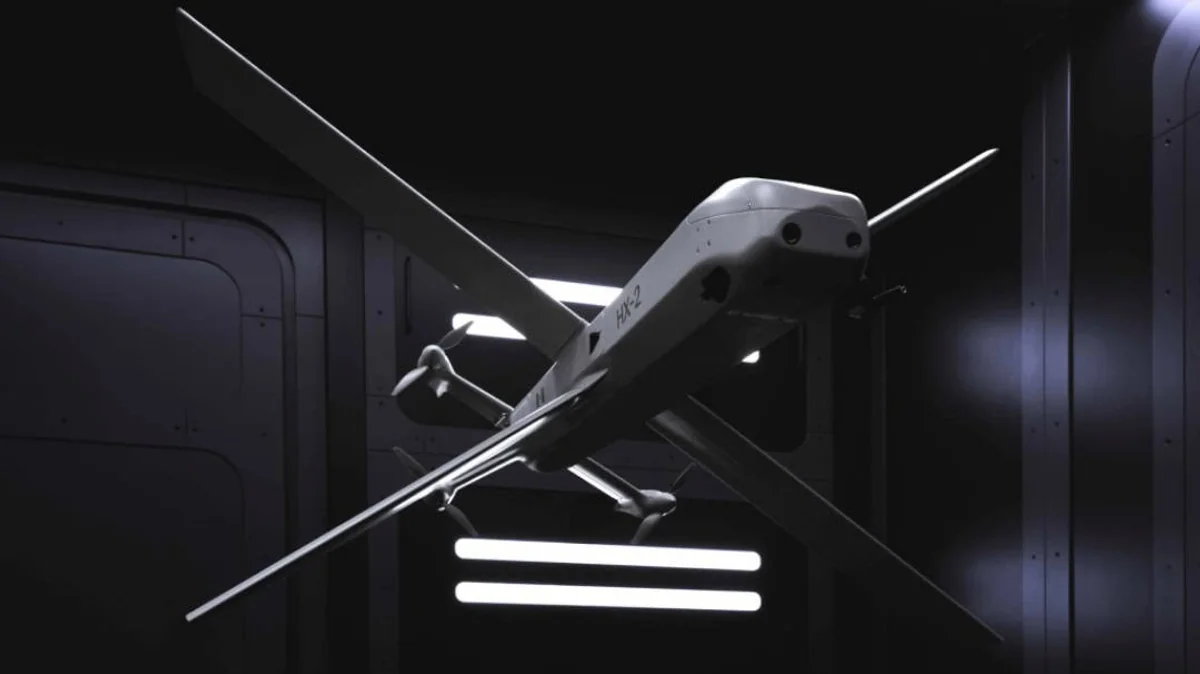
- Helsing’s flagship drone model, the HX-2, faced criticism for being too expensive and ineffective.
- The German Defense Ministry reported that just 25% of HX-2s were able to launch in frontline tests by Ukraine’s 14th Regiment.
- Both models intended for Ukraine lacked AI components necessary for terminal guidance, midcourse guidance, and visual target acquisition.
The Ukrainian Dilemma: Helsing Drone Orders on Hold
In the midst of ongoing conflicts and technological advancements, Ukraine’s decision to potentially withhold orders from Europe’s leading defense tech firm highlights the challenges in aligning technology with battlefield needs. The situation centers around Helsing, a Munich-based startup that has seen its weapon systems face significant setbacks during frontline tests.
Background on Helsing
Helsing, founded in 2021 with backing from a Swedish billionaire and several US venture capital firms, aimed to integrate artificial intelligence into Europe’s military systems. Initially valued at around €12 billion by American funds including General Catalyst, Lightspeed Ventures, and Accel, the company quickly gained prominence amidst Europe’s intensified efforts to rearm in response to the war in Ukraine.
Setbacks and Criticisms
The German Defense Ministry’s November 2025 presentation revealed that some 40% of Helsing’s drones remained unused in Ukraine’s inventory. The company had contracted to provide Ukraine with 4,000 strike drones, but only half were delivered as the HF-1 model. Criticism for both the HF-1 and the subsequent HX-2 model centered on their high cost and perceived ineffectiveness.
According to the presentation, just 25% of the HX-2s could launch in frontline tests by Ukraine’s 14th Regiment.
Both models were designed with three AI components: terminal guidance, midcourse guidance, and visual target acquisition. However, they failed to include all necessary AI functionalities.
Company Response
Helsing strongly contested the findings presented in the German Defense Ministry’s report. In a statement, the company expressed confidence that the HX-2 would perform well on the battlefield under electronic warfare conditions. They also noted that several groups within Ukraine’s military had shown interest in the HX-2 and were cleared for its deployment.
“We are confident that HX-2’s test performance will translate well into high hit rates on the battlefield,” stated Torsten Reil, co-chief executive officer of Helsing. “Including under electronic warfare conditions.”
Competition in the Market
The market for unmanned systems is highly competitive, with other European defense tech firms like Poland’s WB Electronics vying for government orders. Poland recently announced a framework agreement to supply 10,000 kamikaze drones for Ukraine’s military by 2035.
“This is another important step in building the combat capabilities of the Polish Army and drone troops,” said Poland’s Defense Minister Władysław Kosiniak-Kamysz. “Drones are the basis for building deterrence and defense capabilities.”
Implications for Ukraine
The Ukrainian government’s decision on whether to place additional orders from Helsing could significantly impact its military strategy. The lack of successful test launches and AI functionalities may have undermined demand for these drones, especially given their high cost.
“For now, I choose Ukraine,” said President Zelensky during a recent interview, emphasizing the country’s top priority on resolving an ongoing energy crisis. This decision, however, leaves open questions about future orders from Helsing or other defense tech firms.
The situation underscores the complexities of integrating new technologies into military operations and highlights the need for thorough testing before large-scale deployments. As Ukraine continues to navigate these challenges, the outcome will have significant implications not only for its defense capabilities but also for the broader European defense industry landscape.