
Key Highlights
- Elizabeth Smart opens up in a new Netflix documentary about her kidnapping and recovery journey.
- The documentary, titled “Kidnapped: Elizabeth Smart,” premieres on January 21, 2026.
- Smart shares the trauma of being held captive by Brian David Mitchell for nine months.
- She discusses the lasting effects of her experience and the importance of supporting survivors.
The Trauma Unfolds: Elizabeth Smart’s Kidnapping Experience
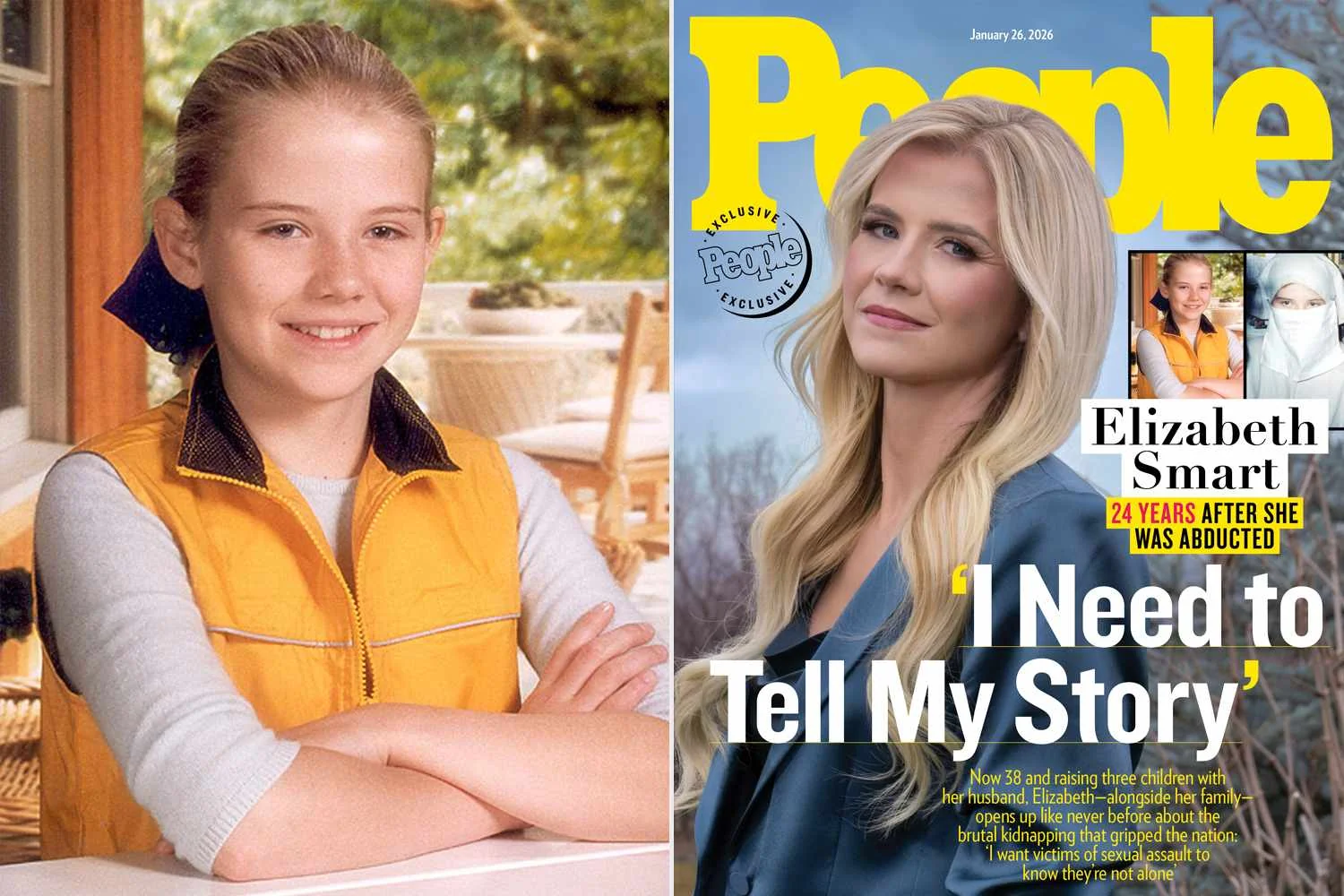
In a heart-wrenching new documentary, “Kidnapped: Elizabeth Smart,” set to premiere on January 21, 2026, the courageous survivor of a brutal kidnapping revisits the darkest moments of her life. At 38 years old and now a mother of three, Smart opens up about the trauma she endured at the hands of pedophile Brian David Mitchell.
Smart was just 14 when she vanished in the middle of the night from her family’s home in Salt Lake City on June 5, 2002. For nine months, she was held captive and subjected to unimaginable abuse by Mitchell and his wife, Wanda Barzee. The harrowing ordeal left indelible marks, both physical and psychological.
Recounting the Horrors
“After I was rescued, I was very embarrassed by what had happened to me,” Smart told People magazine. “Even though my head totally knew it wasn’t my fault, I couldn’t make my heart feel the same way. I felt I’d be judged for it.” The emotional toll of her captivity is evident in her words: “I ended up feeling very alone and very isolated.”
Mitchell’s brutal tactics included raping Smart four times a day, sometimes leaving her bleeding and forcing her to drink alcohol to lower her resistance. Barzee’s role was no less sinister; she often tried to strip Smart naked before Mitchell would enter the tent for another assault.
A Lifelong Journey of Healing
Smart’s story is one of resilience and redemption. After being rescued in March 2003, she began to find her voice as an advocate for sexual assault survivors through her nonprofit, the Elizabeth Smart Foundation. The documentary provides a raw look into her recovery journey.
“Now, says the mom of three, ‘I want survivors to know they are not alone.
There’s so many of us. And I want people who have never experienced this to get a taste of what it’s really like—the depth of fear—to be forced to do things you would never do.” Smart’s message is clear: she wants to help others understand the reality faced by survivors.
Timeline and Impact
The documentary offers a detailed timeline of Smart’s kidnapping, providing context for her experiences. Her story began on June 5, 2002, when she was taken from her family’s home. After nine months of captivity, she was finally freed in March 2003 following a tip-off to police.
Smart’s journey is not just about the past; it’s also about the present and future.
Her experiences have shaped her into an advocate for child safety and abduction prevention. The documentary serves as a powerful reminder of the ongoing fight against such crimes.
Supporting Other Survivors
By sharing her story, Smart hopes to inspire others who may be struggling with similar issues. “There’s a purpose to sharing my story,” she says. Her foundation has become a beacon for survivors, offering support and resources to help them navigate their own journeys of healing.
The documentary will air on Netflix, making it accessible to a wider audience. Smart’s openness and courage are expected to resonate with viewers, encouraging empathy and understanding for those who have faced similar traumas.
For more about Elizabeth Smart’s journey, visit People or pick up this week’s issue, on newsstands Friday.
The full documentary will premiere on January 21, 2026, at 8:00 AM EST.
Smart’s story is a testament to the resilience of the human spirit and the importance of supporting those who have faced unimaginable challenges. As she shares her experiences, she hopes to bring light to the realities of child abduction and sexual assault, offering hope and healing to countless others.